Cryptocurrency debit cards are revolutionizing the way you can spend your digital assets. These cards function similarly to traditional debit cards, allowing you to make purchases at any merchant that accepts standard debit or credit cards. The key difference lies in the source of funds; instead of drawing from a bank account, these cards tap into your cryptocurrency holdings.
This means you can seamlessly convert your digital currencies into fiat currency at the point of sale, making it easier than ever to use your cryptocurrencies in everyday transactions. As you delve deeper into the world of cryptocurrency debit cards, you’ll discover that they come with various features and functionalities. Some cards allow you to hold multiple cryptocurrencies, while others may offer rewards programs or cashback incentives for using the card.
Additionally, many cryptocurrency debit cards are linked to mobile apps that provide real-time tracking of your spending and balances. This integration of technology not only enhances your user experience but also empowers you to manage your digital assets more effectively.
Key Takeaways
- Cryptocurrency debit cards allow users to spend their digital assets at merchants that accept traditional debit cards.
- When choosing a cryptocurrency debit card, consider factors such as supported cryptocurrencies, fees, limits, and security features.
- Setting up a cryptocurrency wallet is the first step to using a cryptocurrency debit card, as it stores the digital assets that will be loaded onto the card.
- Loading cryptocurrency onto the debit card can typically be done through a mobile app or website by transferring the desired amount from the wallet to the card.
- Users should be aware of fees and limits associated with cryptocurrency debit cards, including transaction fees, ATM withdrawal limits, and foreign exchange fees.
Choosing the Right Cryptocurrency Debit Card
Cryptocurrency Support
The first factor to evaluate is the range of cryptocurrencies supported by the card. Some cards may only allow you to load Bitcoin or Ethereum, while others might support a wider range of altcoins. If you have a diverse portfolio of cryptocurrencies, opting for a card that accommodates multiple assets can provide greater flexibility in how you spend your funds.
Fees and Charges
Another critical aspect to consider is the fees associated with the card. Different providers have varying fee structures, including monthly maintenance fees, transaction fees, and withdrawal fees. It’s essential to read the fine print and understand how these fees can impact your overall spending.
Transaction and Withdrawal Limits
Additionally, look for any limits on transactions or withdrawals, as these can affect your ability to access your funds when needed. By carefully comparing different options, you can find a card that aligns with your financial habits and minimizes unnecessary costs.
Setting Up Your Cryptocurrency Wallet

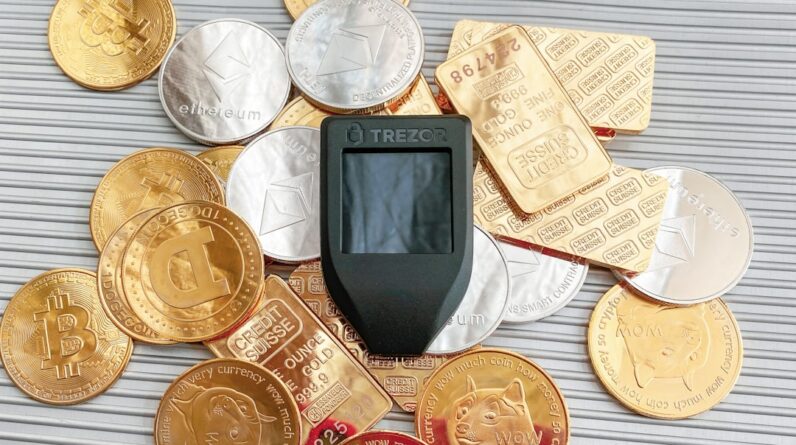
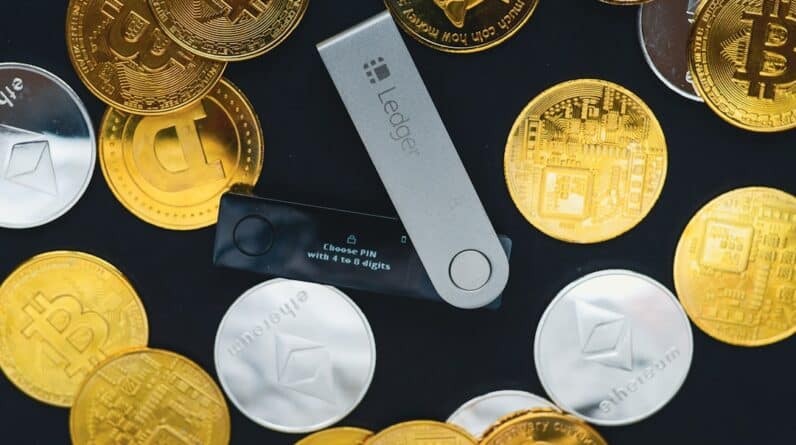
Before you can start using a cryptocurrency debit card, you’ll need to set up a compatible cryptocurrency wallet. This wallet serves as a digital vault for your cryptocurrencies, allowing you to store, send, and receive digital assets securely. There are various types of wallets available, including hardware wallets, software wallets, and mobile wallets.
Each type has its own advantages and disadvantages, so it’s crucial to choose one that fits your lifestyle and security preferences. Once you’ve selected a wallet, the setup process typically involves creating an account and securing it with a strong password. You may also be prompted to enable two-factor authentication (2FA) for added security.
After setting up your wallet, you’ll need to transfer your cryptocurrencies from an exchange or another wallet into this new wallet. This process usually involves generating a receiving address from your wallet and using it to initiate the transfer from the source wallet. Ensuring that you follow these steps carefully will help safeguard your assets as you prepare to load them onto your debit card.
Loading Your Cryptocurrency onto the Debit Card
Loading cryptocurrency onto your debit card is a straightforward process, but it requires attention to detail to ensure everything goes smoothly. Typically, you’ll start by linking your cryptocurrency wallet to the debit card’s associated app or platform. This connection allows for easy transfers between your wallet and the card.
Once linked, you can select the amount of cryptocurrency you wish to load onto the card and initiate the transfer. It’s important to note that some cards may have minimum loading amounts or specific requirements for transferring funds. Be sure to check these details before proceeding with the transaction.
After you’ve successfully loaded your cryptocurrency onto the card, you’ll receive confirmation of the transaction, and the funds will be available for use almost immediately. This instant access is one of the significant advantages of using a cryptocurrency debit card, as it allows you to take advantage of market opportunities or make purchases without delay.
Understanding Fees and Limits
As with any financial product, understanding the fees and limits associated with cryptocurrency debit cards is crucial for effective budgeting and planning. Fees can vary widely between different providers, so it’s essential to familiarize yourself with what you’ll be charged for various transactions. Common fees include loading fees when transferring cryptocurrency onto the card, transaction fees for purchases made with the card, and ATM withdrawal fees if you need cash.
In addition to fees, be aware of any limits imposed on transactions or withdrawals. Some cards may have daily or monthly spending limits that could affect how you use your funds. For instance, if you’re planning a significant purchase or need cash for an emergency, knowing these limits in advance can help you avoid surprises.
By keeping track of both fees and limits, you can make informed decisions about how best to utilize your cryptocurrency debit card.
Making Purchases and Withdrawals
Using your cryptocurrency debit card for purchases is designed to be as simple as swiping or tapping a traditional debit card. When you’re ready to make a purchase, just present your card at the point of sale or enter your card details online. The system will automatically convert the necessary amount of cryptocurrency into fiat currency at the current exchange rate, allowing you to complete the transaction seamlessly.
If you need cash instead of making a purchase directly, most cryptocurrency debit cards also allow for ATM withdrawals. Simply locate an ATM that accepts debit cards and follow the prompts on the screen. Keep in mind that ATM withdrawals may incur additional fees and could be subject to daily withdrawal limits.
Being aware of these factors will help you plan accordingly and ensure that you have access to cash when needed.
Managing Your Cryptocurrency Balance
Managing your cryptocurrency balance effectively is key to maximizing the benefits of using a debit card linked to digital assets. Most providers offer mobile apps or online platforms where you can monitor your balance in real time. This feature allows you to keep track of how much cryptocurrency you have loaded onto the card and how much you’ve spent over time.
Regularly reviewing your balance can help you make informed decisions about when to load more funds onto your card or when to withdraw cash from an ATM. Additionally, many apps provide insights into spending patterns and trends, which can be valuable for budgeting purposes. By staying on top of your balance management, you’ll be better equipped to navigate fluctuations in cryptocurrency values and make strategic financial choices.
Security and Safety Measures
As with any financial tool, security is paramount when using cryptocurrency debit cards. Since these cards are linked directly to your digital assets, taking precautions is essential to protect yourself from potential threats such as hacking or fraud. Start by ensuring that both your cryptocurrency wallet and debit card account are secured with strong passwords and two-factor authentication (2FA).
This added layer of security makes it significantly more challenging for unauthorized users to gain access. Additionally, be cautious about where and how you use your debit card. Avoid using it on unsecured networks or unfamiliar websites that may pose risks to your financial information.
Regularly monitoring your account for any suspicious activity is also advisable; if you notice anything unusual, report it immediately to your card provider. By implementing these security measures and remaining vigilant about potential threats, you can enjoy the convenience of cryptocurrency debit cards while minimizing risks associated with their use. In conclusion, cryptocurrency debit cards offer an innovative way for you to spend digital assets in everyday transactions while providing flexibility and convenience.
By understanding how these cards work and taking proactive steps in choosing the right one for your needs, setting up a secure wallet, managing balances effectively, and prioritizing security measures, you can navigate this exciting financial landscape with confidence. As cryptocurrencies continue to gain traction in mainstream finance, being well-informed will empower you to make the most of this evolving technology.
FAQs
What is a cryptocurrency debit card?
A cryptocurrency debit card is a payment card that allows users to load and spend their cryptocurrency holdings just like a traditional debit card.
How do you load a cryptocurrency debit card?
To load a cryptocurrency debit card, users can transfer their cryptocurrency holdings from their digital wallet to the card’s associated account. This can typically be done through a mobile app or online platform provided by the card issuer.
What cryptocurrencies can be loaded onto a cryptocurrency debit card?
The specific cryptocurrencies that can be loaded onto a cryptocurrency debit card depend on the card issuer. However, popular options often include Bitcoin, Ethereum, Litecoin, and other major cryptocurrencies.
Can you use a cryptocurrency debit card anywhere?
The usability of a cryptocurrency debit card depends on the card issuer and the acceptance of the card’s payment network. Some cards may be accepted anywhere that traditional debit cards are used, while others may have more limited acceptance.
Are there fees associated with loading a cryptocurrency debit card?
There may be fees associated with loading a cryptocurrency debit card, such as transaction fees or conversion fees for transferring cryptocurrency to fiat currency. It’s important to review the fee schedule provided by the card issuer.