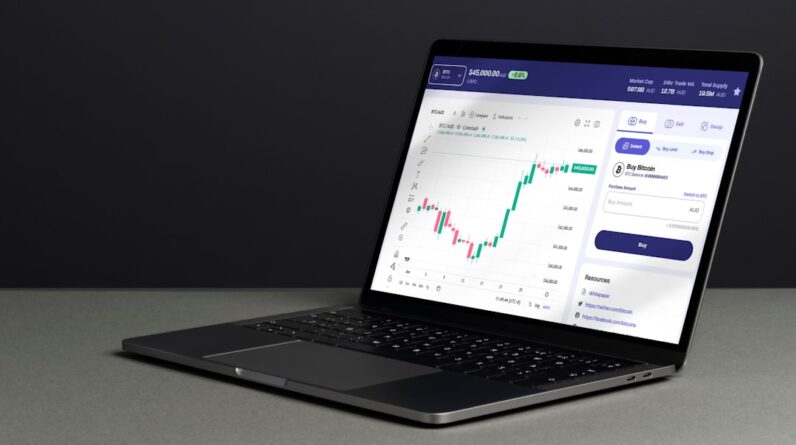
When you delve into the world of cryptocurrency mining, one of the first concepts you encounter is that of mining pools. A mining pool is essentially a collective of miners who come together to combine their computational power in order to increase their chances of successfully mining a block. By pooling resources, you can tackle the complex mathematical problems that are required to validate transactions on the blockchain more efficiently than you could alone.
This collaborative approach not only enhances your chances of earning rewards but also provides a more stable income stream, as rewards are distributed among all members based on their contributed computational power. In a mining pool, each participant contributes their hashing power, which is then aggregated to solve blocks more quickly. When a block is successfully mined, the rewards are shared among all members according to the amount of work they contributed.
This system mitigates the risks associated with solo mining, where the chances of earning rewards can be slim, especially for those with limited resources. By understanding how mining pools operate, you can make informed decisions about your mining strategy and optimize your potential earnings in the competitive landscape of cryptocurrency.
Key Takeaways
- Mining pools are groups of miners who work together to increase their chances of finding a block and receiving a reward.
- When choosing a mining pool, consider factors such as the pool’s size, fee structure, and reputation within the mining community.
- Creating an account with a mining pool typically involves providing an email address, setting a password, and possibly enabling two-factor authentication for added security.
- Setting up mining software involves downloading and installing the appropriate software for your mining hardware, as well as configuring it to connect to your chosen mining pool.
- Joining a mining pool requires inputting the pool’s server address, port number, and your unique username and password into your mining software’s configuration settings.
- Configuring payment settings involves specifying your desired payment threshold and providing a wallet address where you want to receive your mining rewards.
- Monitoring your mining activity involves regularly checking your mining pool’s website or app for updates on your hashrate, earnings, and any potential issues.
- Troubleshooting common issues may involve checking your hardware connections, updating your mining software, or reaching out to the mining pool’s support team for assistance.
Choosing the Right Mining Pool
Selecting the right mining pool is crucial for maximizing your mining efficiency and profitability. With numerous options available, it’s essential to consider several factors before making your choice. First and foremost, you should evaluate the pool’s size and reputation.
Larger pools may offer more consistent payouts due to their higher likelihood of solving blocks, but they also mean that your share of the rewards will be smaller. Conversely, smaller pools may yield larger individual rewards but can be less reliable in terms of payout frequency. Another important aspect to consider is the pool’s fee structure.
Most mining pools charge a fee for their services, typically ranging from 1% to 3% of your earnings. While lower fees might seem appealing, they can sometimes indicate a less reliable or less established pool. Additionally, you should look into the payment methods used by the pool.
Some pools offer pay-per-share (PPS) systems, while others may use pay-per-last-N-shares (PPLNS) or other models. Each method has its pros and cons, so understanding how they work will help you choose a pool that aligns with your financial goals and risk tolerance.
Creating an Account

Once you’ve selected a mining pool that suits your needs, the next step is to create an account. This process is typically straightforward and involves providing some basic information such as your email address and a secure password. After registering, you may need to verify your email address to activate your account fully.
This verification step is crucial as it helps protect your account from unauthorized access and ensures that you receive important notifications regarding your mining activities. After creating your account, it’s wise to take some time to familiarize yourself with the pool’s dashboard and features. Most mining pools provide a user-friendly interface that allows you to monitor your mining performance, track earnings, and adjust settings as needed.
Understanding how to navigate this dashboard will empower you to make informed decisions about your mining strategy and optimize your performance within the pool.
Setting Up Mining Software
With your account created, it’s time to set up the necessary mining software. This software acts as a bridge between your hardware and the mining pool, allowing you to contribute your computational power effectively. Depending on the cryptocurrency you’re mining and the hardware you’re using, there are various software options available.
Popular choices include CGMiner, BFGMiner, and EasyMiner, each with its unique features and compatibility. Before downloading any software, ensure that it is compatible with both your operating system and your mining hardware. Once you’ve selected the appropriate software, follow the installation instructions carefully.
After installation, you’ll need to configure the software by entering details such as your mining pool’s URL, your account username, and any additional settings specific to your hardware. Proper configuration is essential for maximizing efficiency and ensuring that your contributions are accurately recorded by the pool.
Joining the Mining Pool
After setting up your mining software, you’re ready to join the mining pool officially. This process typically involves entering the pool’s URL into your mining software along with your account credentials. Once connected, your mining software will begin working on solving blocks alongside other miners in the pool.
It’s important to monitor this connection initially to ensure that everything is functioning correctly. As you start mining, keep in mind that it may take some time before you see any rewards. The frequency of payouts can vary significantly depending on the pool’s size and the overall network difficulty of the cryptocurrency being mined.
Patience is key during this phase; however, you can track your progress through the pool’s dashboard to see how much work you’re contributing and when you might expect to receive payouts.
Configuring Payment Settings
Configuring payment settings is a critical step in ensuring that you receive your earnings promptly and securely. Most mining pools offer various payment methods, including direct payouts to wallets or exchanges. It’s essential to choose a payment method that aligns with your preferences and provides a level of security that you’re comfortable with.
When setting up payment options, pay attention to minimum payout thresholds and transaction fees associated with each method. Some pools may require you to reach a certain amount before processing a payout, while others may offer instant payouts but at a higher fee. Additionally, ensure that you enter your wallet address accurately; any mistakes could result in lost funds or delays in receiving payments.
Taking the time to configure these settings properly will help streamline your earnings process and enhance your overall mining experience.
Monitoring Your Mining Activity
Once you’ve joined a mining pool and configured payment settings, it’s essential to monitor your mining activity regularly. Most pools provide real-time statistics on your performance, including hash rate, shares submitted, and estimated earnings. By keeping an eye on these metrics, you can gauge how effectively you’re contributing to the pool and identify any potential issues early on.
Monitoring also allows you to adjust your strategy as needed. For instance, if you notice that your hash rate is lower than expected or that you’re not receiving payouts as frequently as anticipated, it may be time to troubleshoot or consider switching pools. Staying informed about your mining activity not only helps optimize your earnings but also enhances your understanding of how different factors impact your overall performance in the cryptocurrency ecosystem.
Troubleshooting Common Issues
As with any technical endeavor, issues may arise during your mining journey. Common problems include connectivity issues with the mining pool, hardware malfunctions, or software errors that prevent efficient operation. When faced with these challenges, it’s important not to panic; instead, take a systematic approach to troubleshooting.
Start by checking your internet connection and ensuring that your mining software is correctly configured with the right pool URL and credentials. If everything appears correct but issues persist, consult the support resources provided by your chosen mining pool or seek assistance from online forums where experienced miners share their insights. Many common problems have been encountered by others before you, so leveraging community knowledge can often lead to quick solutions.
In conclusion, navigating the world of cryptocurrency mining pools requires careful consideration and proactive management of various aspects of the process. From understanding how pools operate to selecting the right one for your needs and troubleshooting issues as they arise, each step plays a vital role in optimizing your mining experience. By following these guidelines and remaining engaged with both your mining activities and the broader community, you can enhance your chances of success in this exciting digital frontier.
FAQs
What is a mining pool?
A mining pool is a group of miners who combine their computational resources to increase their chances of solving a block and earning the associated reward.
Why should I join a mining pool?
Joining a mining pool allows individual miners to have a more consistent and predictable income, as they can share the rewards and reduce the impact of variance in block discovery.
How do I join a mining pool?
To join a mining pool, you typically need to sign up on the pool’s website, create an account, and then configure your mining software to connect to the pool’s mining server using the provided credentials.
What are the different types of mining pools?
There are several types of mining pools, including those that support different cryptocurrencies, offer different payment methods, and have varying fee structures. It’s important to research and choose a pool that best fits your mining preferences.
What factors should I consider when choosing a mining pool?
When choosing a mining pool, consider factors such as the pool’s reputation, size, fee structure, payout frequency, and the mining software and hardware it supports. It’s also important to consider the pool’s location and the latency of its servers.