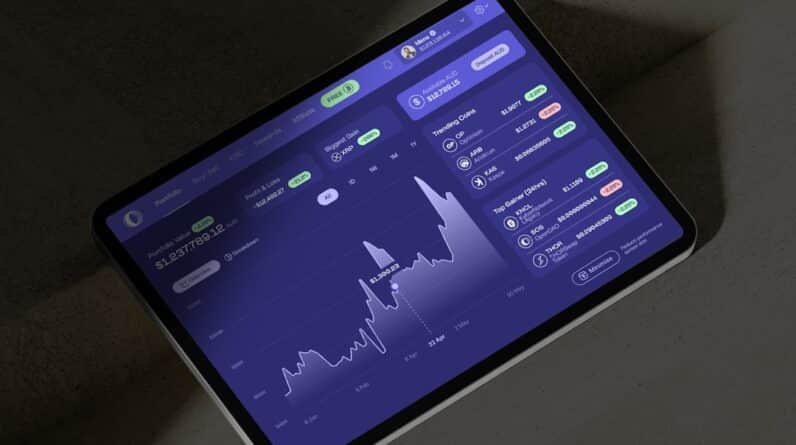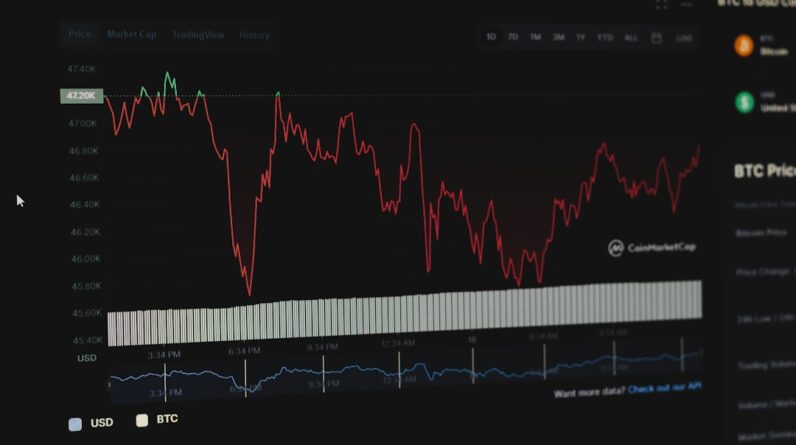
In recent years, the concept of digital currency has surged into the mainstream consciousness, capturing the attention of investors, technologists, and everyday consumers alike. You may have heard terms like Bitcoin, Ethereum, or stablecoins thrown around in conversations, but what exactly does digital currency entail? At its core, digital currency refers to any form of money that exists in a digital format.
Unlike traditional currencies issued by governments, digital currencies operate on decentralized networks, often utilizing blockchain technology to facilitate secure transactions. This shift from physical cash to digital assets represents a significant evolution in how you might think about money and its role in your life. As you delve deeper into the world of digital currency, you will discover that it encompasses a wide range of assets and technologies.
From cryptocurrencies to central bank digital currencies (CBDCs), the landscape is diverse and rapidly evolving. The allure of digital currency lies not only in its potential for investment but also in its promise to revolutionize financial systems globally. As you explore this new frontier, you may find yourself questioning traditional banking practices and considering how digital currencies could reshape your financial interactions in the future.
Key Takeaways
- Digital currency is a form of currency that is available only in digital or electronic form, and not in physical form.
- Security and decentralization are key features of digital currency, providing a secure and transparent way to conduct transactions.
- Digital currency offers accessibility and global reach, allowing for seamless transactions across borders and eliminating the need for traditional banking systems.
- Transparency and traceability are inherent in digital currency, as all transactions are recorded on a public ledger, providing a clear and auditable history of transactions.
- Digital currency has the potential for mass adoption and can resist inflation and economic turmoil, making it an attractive option for individuals and businesses.
Security and Decentralization
One of the most compelling features of digital currency is its inherent security and decentralization. Unlike traditional banking systems that rely on centralized authorities to manage transactions and safeguard funds, digital currencies operate on decentralized networks. This means that no single entity has control over the entire system, which can significantly reduce the risk of fraud and hacking.
When you engage with digital currencies, you are participating in a system that employs cryptographic techniques to secure transactions, ensuring that your assets are protected from unauthorized access. Moreover, the decentralized nature of digital currencies empowers you as a user. You are no longer reliant on banks or financial institutions to facilitate transactions; instead, you can transact directly with others on a peer-to-peer basis.
This not only enhances security but also fosters a sense of autonomy over your financial assets. As you navigate this new landscape, you may find that the ability to control your own funds without intermediaries is both liberating and empowering.
Accessibility and Global Reach
Digital currency has the potential to democratize access to financial services, making it easier for individuals around the world to participate in the global economy. If you live in a region with limited banking infrastructure or face barriers to accessing traditional financial services, digital currency can offer a viable alternative. With just a smartphone and an internet connection, you can engage in transactions, store value, and even invest—all without the need for a bank account.
This accessibility extends beyond geographical boundaries. Digital currencies can facilitate cross-border transactions with minimal fees and delays, allowing you to send money to friends or family members in different countries quickly and efficiently. As you consider the implications of this global reach, you may realize that digital currency has the potential to bridge gaps between developed and developing economies, fostering greater financial inclusion for all.
Transparency and Traceability
Another significant advantage of digital currency is its transparency and traceability. Transactions conducted on blockchain networks are recorded on a public ledger that is accessible to anyone. This level of transparency can help build trust among users, as you can verify transactions independently without relying on third-party intermediaries.
If you are concerned about fraud or corruption in traditional financial systems, the transparent nature of digital currencies may provide you with greater peace of mind. Additionally, the traceability of transactions can have far-reaching implications for various industries. For instance, businesses can use blockchain technology to track supply chains more effectively, ensuring that products are sourced ethically and sustainably.
As you explore the potential applications of digital currency beyond personal finance, you may find that its transparency can lead to more responsible business practices and greater accountability across sectors.
Innovation and Adaptability
The world of digital currency is characterized by rapid innovation and adaptability. As technology continues to evolve, so too do the possibilities for how you can use digital currencies in your daily life. New projects and platforms are constantly emerging, offering unique features and functionalities that cater to diverse needs.
Whether it’s decentralized finance (DeFi) applications that allow you to lend or borrow assets without intermediaries or non-fungible tokens (NFTs) that enable ownership of digital art and collectibles, the landscape is ever-changing. This spirit of innovation means that you have access to a wide array of tools and resources that can enhance your financial experience. As you familiarize yourself with these developments, you may find opportunities to engage with digital currencies in ways that align with your interests and goals.
The adaptability of this ecosystem ensures that it remains relevant in an increasingly digital world, allowing you to stay ahead of trends and leverage new technologies as they emerge.
Potential for Mass Adoption

As digital currencies gain traction, there is growing speculation about their potential for mass adoption. You may have noticed an increasing number of businesses accepting cryptocurrencies as payment or financial institutions integrating blockchain technology into their operations. This shift indicates a broader acceptance of digital currencies within mainstream society.
The more people become familiar with these assets, the more likely they are to embrace them as part of their everyday lives. However, for mass adoption to occur, several challenges must be addressed. Issues such as regulatory uncertainty, scalability concerns, and user education need to be tackled to ensure that digital currencies can be seamlessly integrated into existing financial systems.
As you consider the future of digital currency, it’s essential to stay informed about these developments and engage in discussions about how they might shape your financial landscape.
Resistance to Inflation and Economic Turmoil
In times of economic uncertainty or inflationary pressures, many individuals seek refuge in assets that can retain value. Digital currencies have emerged as a potential hedge against inflation due to their limited supply—particularly in the case of cryptocurrencies like Bitcoin, which has a capped maximum supply. If you are concerned about the devaluation of fiat currencies or the impact of economic turmoil on your savings, exploring digital currencies may provide an alternative avenue for preserving your wealth.
Moreover, during periods of economic instability, traditional banking systems may falter or impose restrictions on withdrawals and transactions. Digital currencies offer an alternative means of storing value that is not subject to the same vulnerabilities as conventional financial systems. As you navigate uncertain economic landscapes, having access to digital assets could empower you to make more informed decisions about your financial future.
Integration with Emerging Technologies
The integration of digital currency with emerging technologies presents exciting possibilities for enhancing your financial experience. Innovations such as artificial intelligence (AI), the Internet of Things (IoT), and smart contracts are beginning to intersect with blockchain technology, creating new opportunities for efficiency and convenience. For instance, smart contracts can automate transactions based on predefined conditions, reducing the need for intermediaries and streamlining processes.
As these technologies continue to evolve, you may find yourself benefiting from enhanced security measures, faster transaction speeds, and improved user experiences. The convergence of digital currency with other technological advancements could lead to entirely new applications that transform how you interact with money and assets. Staying informed about these developments will enable you to leverage emerging technologies effectively as they reshape the financial landscape.
In conclusion, the rise of digital currency represents a significant shift in how we perceive and interact with money. From its security features and global accessibility to its potential for mass adoption and integration with emerging technologies, digital currency offers numerous advantages that could redefine your financial experience. As you explore this dynamic landscape, consider how these innovations might impact your life today and in the future.
Embracing this change could empower you to take control of your financial destiny in ways previously unimaginable.
FAQs
What is digital currency?
Digital currency is a type of currency that is available only in digital or electronic form, and does not have a physical counterpart like paper money or coins. It is also known as cryptocurrency and is decentralized, meaning it is not controlled by any central authority such as a government or bank.
What makes digital currency immortal?
Digital currency is considered immortal because it is based on blockchain technology, which is a decentralized and distributed ledger that records all transactions across a network of computers. This makes it extremely difficult to alter or manipulate the transaction history, ensuring the immutability and security of digital currency.
How does blockchain technology contribute to the immortality of digital currency?
Blockchain technology uses cryptographic techniques to secure and validate transactions, creating a permanent and unchangeable record of all transactions. This makes it nearly impossible for anyone to alter the transaction history, ensuring the immortality and security of digital currency.
What are the benefits of using digital currency?
Some benefits of using digital currency include lower transaction fees, faster and more secure transactions, increased privacy and anonymity, and the ability to access financial services for people who are unbanked or underbanked. Additionally, digital currency can be used for international transactions without the need for currency conversion.
What are some popular examples of digital currency?
Some popular examples of digital currency include Bitcoin, Ethereum, Ripple, Litecoin, and many others. Each of these digital currencies operates on its own blockchain network and has its own unique features and use cases.