
As you delve into the world of decentralized finance (DeFi), you may find it both exhilarating and daunting. DeFi has emerged as a revolutionary force in the financial landscape, offering users unprecedented access to financial services without the need for traditional intermediaries. This shift has democratized finance, allowing anyone with an internet connection to lend, borrow, trade, and earn interest on their assets.
However, with this newfound freedom comes a host of security challenges that you must navigate carefully. The very nature of DeFi—its reliance on smart contracts and blockchain technology—introduces vulnerabilities that can be exploited by malicious actors. You might be surprised to learn that the rapid growth of DeFi has led to an increase in hacks and exploits.
In 2021 alone, billions of dollars were lost due to security breaches in various DeFi protocols. These incidents often stem from coding errors, inadequate audits, or even outright scams. As you engage with DeFi platforms, it’s crucial to understand the risks involved.
You should always conduct thorough research and consider the security measures implemented by the protocols you choose to interact with. The decentralized nature of these platforms means that once funds are lost, they are often irretrievable, making it essential for you to prioritize security in your DeFi endeavors.
Key Takeaways
- DeFi’s rapid growth poses security challenges that need to be addressed to protect users and their assets.
- Quantum computing has the potential to disrupt crypto security, prompting the need for advanced encryption methods.
- Multi-signature wallets play a crucial role in enhancing crypto security by requiring multiple approvals for transactions.
- Hardware wallets are increasingly important for safeguarding crypto assets from online threats and hacks.
- Regulatory changes have a significant impact on crypto security measures, shaping the future of the industry.
The Emergence of Quantum Computing and Its Potential Impact on Crypto Security
The Power of Quantum Computing
Quantum computers operate on principles that differ fundamentally from classical computers, allowing them to solve complex problems at unprecedented speeds. This technological leap poses a significant threat to traditional cryptographic algorithms that underpin the security of cryptocurrencies.
The Threat to Crypto Security
If quantum computers become powerful enough, they could potentially break the encryption that secures your digital assets. You might wonder how soon this threat could materialize. While practical quantum computers capable of breaking current cryptographic standards are still in development, researchers are already working on post-quantum cryptography solutions.
Preparing for a Quantum Future
These new algorithms aim to safeguard your assets against future quantum attacks. As you keep an eye on advancements in quantum computing, it’s essential to stay informed about the ongoing efforts to enhance crypto security through innovative cryptographic techniques. By understanding these developments, you can better prepare yourself for a future where quantum computing may play a pivotal role in shaping the security landscape of cryptocurrencies.
The Role of Multi-Signature Wallets in Enhancing Crypto Security

When it comes to securing your cryptocurrency holdings, multi-signature wallets offer a robust solution that you should consider. Unlike traditional wallets that require only one private key for access, multi-signature wallets require multiple keys from different parties to authorize a transaction. This added layer of security can significantly reduce the risk of unauthorized access and theft.
By distributing control among several keys, you can ensure that even if one key is compromised, your assets remain safe. You may find multi-signature wallets particularly appealing if you are part of a team or organization managing shared funds. In such cases, requiring multiple signatures for transactions fosters accountability and transparency among members.
Additionally, these wallets can be configured in various ways to suit your specific needs—whether that means requiring two out of three signatures or even more complex arrangements. As you consider your options for securing your crypto assets, multi-signature wallets stand out as a practical choice that enhances security while maintaining flexibility.
The Growing Importance of Hardware Wallets in Protecting Crypto Assets
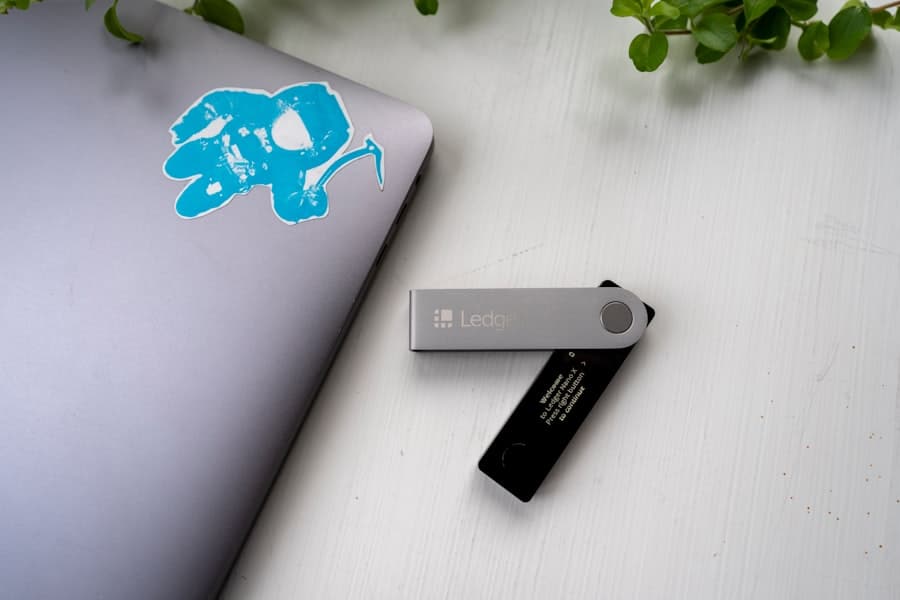
As you navigate the world of cryptocurrency, the importance of hardware wallets cannot be overstated. These physical devices provide a secure way to store your private keys offline, significantly reducing the risk of hacking and malware attacks that can compromise software wallets. By keeping your keys in a hardware wallet, you can ensure that your assets remain safe from online threats while still allowing you to access them when needed.
You might appreciate the peace of mind that comes with using a hardware wallet, especially given the increasing number of cyberattacks targeting crypto holders. Many hardware wallets come equipped with additional security features such as PIN codes and recovery phrases, further enhancing their protective measures. As you consider how best to safeguard your investments, investing in a reputable hardware wallet could be one of the most prudent decisions you make in your crypto journey.
The Impact of Regulatory Changes on Crypto Security Measures
As you engage with cryptocurrencies, it’s essential to stay informed about the regulatory landscape that governs this rapidly evolving space. Governments around the world are increasingly recognizing the need for regulations to protect consumers and ensure market integrity. These regulatory changes can have a profound impact on crypto security measures, influencing how exchanges operate and how users interact with their digital assets.
You may find that regulatory frameworks often require exchanges to implement stricter security protocols, such as Know Your Customer (KYC) and Anti-Money Laundering (AML) measures. While these regulations aim to enhance security and prevent illicit activities, they can also introduce complexities for users like yourself. As compliance becomes more stringent, it’s crucial for you to understand how these changes affect your rights and responsibilities as a crypto holder.
By staying informed about regulatory developments, you can better navigate the evolving landscape and make informed decisions regarding your investments.
The Role of Decentralized Exchanges in Improving Crypto Security
In your exploration of cryptocurrency trading, decentralized exchanges (DEXs) have emerged as an alternative to traditional centralized platforms. DEXs operate without a central authority, allowing users to trade directly with one another while retaining control over their funds. This decentralized model inherently enhances security by reducing the risk of hacks that often plague centralized exchanges, where large amounts of user funds are held in a single location.
You may appreciate the benefits that DEXs offer in terms of privacy and autonomy. By using a DEX, you can trade without having to provide personal information or undergo lengthy verification processes. However, it’s important to remember that while DEXs mitigate certain risks associated with centralized exchanges, they are not without their own challenges.
Smart contract vulnerabilities and liquidity issues can pose risks that you should be aware of as you engage with these platforms. By understanding both the advantages and limitations of decentralized exchanges, you can make more informed choices about where and how to trade your cryptocurrencies.
The Importance of Education and Awareness in Preventing Crypto Scams and Hacks
As you immerse yourself in the world of cryptocurrency, education and awareness become your best allies in preventing scams and hacks. The crypto space is rife with opportunities but also fraught with risks that can lead to significant financial losses if you’re not careful. Scammers often employ sophisticated tactics to lure unsuspecting individuals into their traps, making it essential for you to stay informed about common scams and how to recognize them.
You might find it beneficial to engage with educational resources such as online courses, webinars, and community forums dedicated to cryptocurrency security. By arming yourself with knowledge about phishing attacks, Ponzi schemes, and other fraudulent activities, you can better protect yourself from falling victim to these schemes. Additionally, fostering a culture of awareness within your network can help create a safer environment for everyone involved in crypto trading and investment.
The Future of Crypto Security: Innovations and Solutions for a Safer Ecosystem
Looking ahead, the future of crypto security is poised for innovation as technology continues to evolve. You may be excited by the prospect of new solutions designed to enhance the safety and integrity of digital assets. From advancements in biometric authentication methods to the development of more sophisticated encryption techniques, the landscape is ripe for transformative changes that could redefine how we secure our cryptocurrencies.
As you keep an eye on emerging technologies such as artificial intelligence and machine learning, you’ll likely see their applications in identifying suspicious activities and enhancing fraud detection mechanisms within the crypto ecosystem. Furthermore, collaborative efforts among industry stakeholders—exchanges, developers, regulators—will play a crucial role in establishing best practices and standards for security measures across the board. By staying engaged with these developments and adapting to new innovations, you can contribute to creating a safer environment for all participants in the cryptocurrency space.
In conclusion, as you navigate the complexities of cryptocurrency security, it’s essential to remain vigilant and proactive in protecting your assets. By understanding the challenges posed by DeFi, quantum computing, regulatory changes, and emerging technologies, you can make informed decisions that enhance your security posture in this dynamic landscape. Embracing education and awareness will empower you to recognize potential threats while leveraging innovative solutions that pave the way for a safer crypto ecosystem.
FAQs
What is crypto security?
Crypto security refers to the measures and protocols put in place to protect digital assets and transactions in the world of cryptocurrency. This includes securing wallets, exchanges, and blockchain networks from unauthorized access, fraud, and theft.
Why is crypto security important?
Crypto security is important because it helps to safeguard digital assets and transactions from cyber attacks, fraud, and theft. With the increasing popularity of cryptocurrencies, ensuring robust security measures is crucial to maintain trust and confidence in the crypto ecosystem.
What are some common crypto security threats?
Common crypto security threats include hacking, phishing attacks, malware, ransomware, and insider threats. These threats can result in the loss of funds, unauthorized access to wallets or exchanges, and disruption of blockchain networks.
What are some best practices for crypto security?
Some best practices for crypto security include using hardware wallets, enabling two-factor authentication, keeping software and antivirus programs up to date, using strong and unique passwords, and being cautious of phishing attempts and suspicious links.
What is the future of crypto security?
The future of crypto security involves the development of more advanced security solutions such as multi-signature wallets, biometric authentication, decentralized identity management, and quantum-resistant cryptography to address emerging threats and vulnerabilities in the crypto space. Additionally, regulatory measures and industry standards are expected to play a significant role in enhancing crypto security.