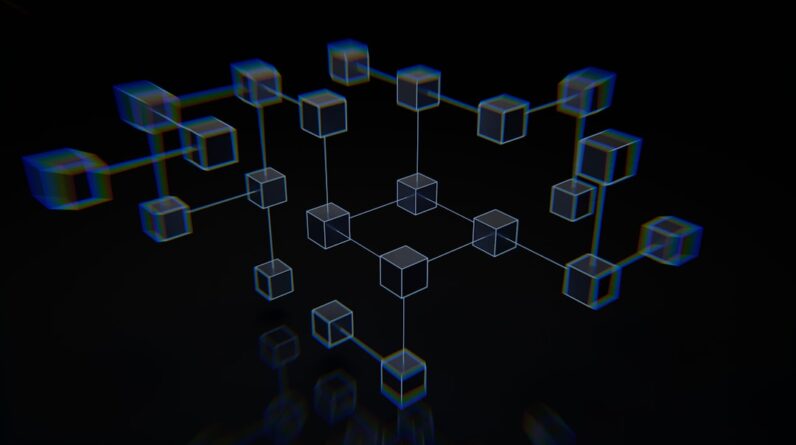
In recent years, the rise of cryptocurrency has given birth to a new wave of social networks that operate on decentralized principles. These crypto social networks are designed to empower users by providing them with greater control over their data and interactions. Unlike traditional social media platforms, which often monetize user data and rely on centralized servers, crypto social networks leverage blockchain technology to create a more transparent and user-centric environment.
As you explore this innovative landscape, you will discover how these platforms are reshaping the way people connect, share, and engage online. The allure of crypto social networks lies in their promise of decentralization and user autonomy. By utilizing blockchain technology, these platforms aim to eliminate intermediaries, allowing users to interact directly with one another.
This shift not only enhances privacy but also fosters a sense of community among users who share similar interests and values. As you delve deeper into the world of crypto social networks, you will find that they offer unique features such as token-based economies, which incentivize user participation and content creation. This new paradigm is not just a trend; it represents a fundamental change in how we think about social interaction in the digital age.
Key Takeaways
- Crypto social networks are platforms that utilize blockchain technology to provide decentralized and privacy-focused alternatives to traditional social media.
- Current challenges and limitations of crypto social networks include scalability issues, user adoption, and regulatory uncertainty.
- Potential solutions and innovations for crypto social networks include the use of decentralized storage, token incentives for users, and improved user interfaces.
- Integration with blockchain technology allows for transparent and secure data storage, as well as the use of smart contracts for user interactions.
- Crypto social networks have the potential to impact decentralization and privacy by giving users more control over their data and interactions on the platform.
Current Challenges and Limitations
User Adoption: A Significant Hurdle
One of the most significant obstacles is user adoption. Many individuals are still unfamiliar with cryptocurrency and blockchain technology, which can create barriers to entry for those who might otherwise benefit from these platforms.
Scalability Issues and User Experience
As you navigate this space, you may encounter users who are hesitant to engage with crypto social networks due to a lack of understanding or fear of volatility associated with cryptocurrencies. Another challenge lies in the scalability of these networks. While blockchain technology offers numerous advantages, it can also lead to slower transaction speeds and higher costs during peak usage times. This can hinder the user experience, making it difficult for crypto social networks to compete with established platforms that offer seamless interactions.
Overcoming Challenges and Improving the User Experience
As you consider the future of these networks, it is essential to recognize that overcoming these challenges will require innovative solutions and a commitment to improving the overall user experience.
Potential Solutions and Innovations

To address the challenges facing crypto social networks, several potential solutions and innovations are emerging. One promising approach is the development of layer-two scaling solutions that can enhance transaction speeds while reducing costs. By building additional layers on top of existing blockchains, these solutions can facilitate faster processing times without sacrificing security or decentralization.
As you explore these advancements, you may find that they hold the key to making crypto social networks more accessible and user-friendly. In addition to scaling solutions, there is a growing emphasis on user education and onboarding initiatives. By providing resources and support for new users, crypto social networks can help demystify the technology and encourage broader participation.
This could include tutorials, community forums, and interactive guides that simplify complex concepts related to cryptocurrency and blockchain. As you engage with these platforms, you may notice that fostering a supportive community can significantly enhance user retention and satisfaction.
Integration with Blockchain Technology
The integration of blockchain technology into social networks is a defining characteristic of crypto social platforms. This technology not only enhances security but also ensures that users have ownership over their data. In traditional social media environments, user-generated content is often controlled by the platform itself, leading to concerns about censorship and data privacy.
However, in a crypto social network, your contributions are recorded on a decentralized ledger, granting you greater control over how your information is used and shared. Moreover, blockchain technology enables the creation of decentralized applications (dApps) that can enhance the functionality of social networks. These dApps can facilitate various features such as content monetization, peer-to-peer transactions, and community governance mechanisms.
As you explore these applications, you will find that they empower users to take an active role in shaping the platform’s direction and policies. This level of engagement fosters a sense of ownership and accountability among users, which is often lacking in traditional social media environments.
Impact on Decentralization and Privacy
Decentralization is at the heart of crypto social networks, fundamentally altering the dynamics of online interaction. By removing centralized authorities from the equation, these platforms promote a more democratic approach to content sharing and community building. As you participate in these networks, you may notice that users have more say in governance decisions, allowing for a more equitable distribution of power among participants.
Privacy is another critical aspect that sets crypto social networks apart from their traditional counterparts. With increasing concerns about data breaches and surveillance in the digital age, many users are seeking alternatives that prioritize their privacy. Crypto social networks often employ advanced encryption techniques and anonymous transactions to protect user identities and data.
As you engage with these platforms, you will likely appreciate the peace of mind that comes from knowing your information is secure and not being exploited for profit.
Potential for Monetization and Incentives
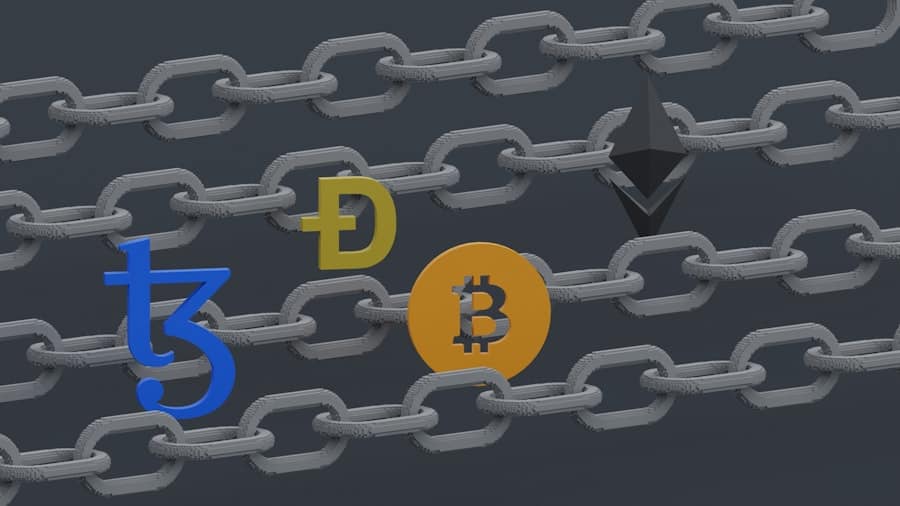
One of the most exciting aspects of crypto social networks is their potential for monetization and incentives for users. Unlike traditional platforms that rely on advertising revenue, many crypto social networks utilize token economies to reward users for their contributions. This can include creating content, engaging with others, or participating in community governance.
As you explore these opportunities, you may find that your involvement can lead to tangible rewards in the form of cryptocurrency or tokens. Additionally, this model encourages a more authentic form of engagement among users. When individuals are incentivized to create high-quality content or participate actively in discussions, it fosters a culture of collaboration and creativity.
As you navigate these platforms, you may discover that your contributions not only benefit you financially but also enrich the community as a whole. This shift towards a more participatory economy could redefine how we think about value in online interactions.
Regulatory and Legal Considerations
As with any emerging technology, regulatory and legal considerations play a crucial role in shaping the future of crypto social networks. Governments around the world are grappling with how to regulate cryptocurrencies and blockchain technology while balancing innovation with consumer protection. As you engage with these platforms, it is essential to stay informed about the evolving regulatory landscape that could impact your experience.
One significant concern is compliance with anti-money laundering (AML) and know-your-customer (KYC) regulations. Many crypto social networks must implement measures to verify user identities while maintaining their commitment to privacy and decentralization. Striking this balance can be challenging, as overly stringent regulations may deter users from participating in these platforms.
As you navigate this complex environment, it is vital to consider how regulatory developments could influence the growth and sustainability of crypto social networks.
Predictions for the Future of Crypto Social Networks
Looking ahead, the future of crypto social networks appears promising yet uncertain. As technology continues to evolve, we can expect to see increased innovation in areas such as scalability, user experience, and integration with other digital services. You may witness the emergence of new platforms that cater to specific niches or communities, further diversifying the landscape of online interaction.
Moreover, as awareness of cryptocurrency and blockchain technology grows, user adoption is likely to increase. This could lead to a more vibrant ecosystem where individuals feel empowered to express themselves freely while benefiting from their contributions. As you engage with these evolving platforms, consider how they might shape not only your online interactions but also broader societal trends related to privacy, decentralization, and community engagement.
In conclusion, crypto social networks represent a transformative shift in how we connect online. While challenges remain, the potential for innovation and user empowerment is immense. As you explore this dynamic landscape, keep an eye on emerging trends and developments that could redefine your digital experience for years to come.
FAQs
What are crypto social networks?
Crypto social networks are online platforms that utilize blockchain technology and cryptocurrencies to create a decentralized and secure environment for users to interact, share content, and participate in social activities.
What is the future of crypto social networks?
The future of crypto social networks is promising, as they offer users greater control over their data, enhanced privacy, and the potential to earn cryptocurrency rewards for their contributions. These networks also have the potential to revolutionize the way social media platforms operate by eliminating centralized control and censorship.
How do crypto social networks differ from traditional social networks?
Crypto social networks differ from traditional social networks in that they are built on blockchain technology, which provides greater transparency, security, and decentralization. Users on crypto social networks also have the opportunity to earn cryptocurrency rewards for their participation and contributions to the network.
What are some challenges facing crypto social networks?
Some challenges facing crypto social networks include regulatory uncertainty, scalability issues, user adoption, and the need to educate users about blockchain technology and cryptocurrencies. Additionally, these networks must address concerns related to security, privacy, and the potential for misuse of the technology.
What are some examples of crypto social networks?
Some examples of crypto social networks include Steemit, Minds, LBRY, and Voice. These platforms leverage blockchain technology and cryptocurrencies to create a more transparent, secure, and user-centric social media experience.