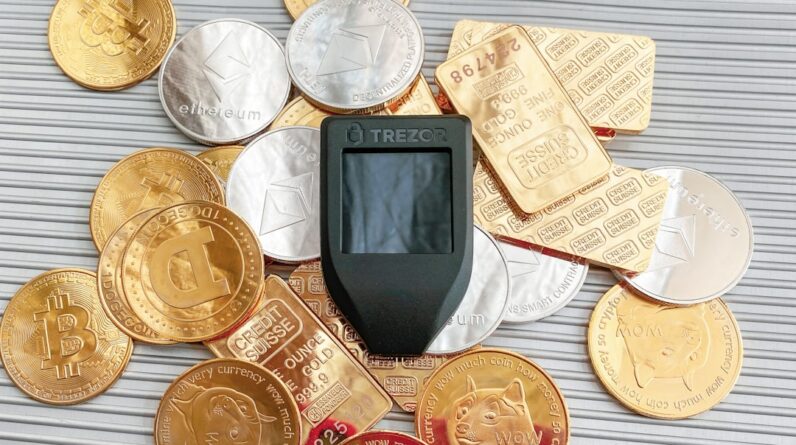
In the digital age, where financial transactions are increasingly conducted online, the significance of securing your cryptocurrency wallet cannot be overstated. Your wallet password serves as the first line of defense against unauthorized access to your digital assets. It is not merely a string of characters; it is the key to your financial security.
Without a strong and unique password, you expose yourself to the risk of theft and loss, which can be devastating given the volatile nature of cryptocurrencies. You must recognize that your password is not just a barrier; it is a safeguard that protects your investments and personal information from malicious actors. Moreover, the decentralized nature of cryptocurrencies means that there is no central authority to turn to in case you lose access to your wallet.
Unlike traditional banking systems, where customer service representatives can assist you in recovering your account, the responsibility lies solely with you. This reality underscores the importance of creating a robust password and maintaining its confidentiality. You should take the time to understand the implications of password management in the cryptocurrency space, as it directly impacts your ability to access and control your assets.
Key Takeaways
- Cryptocurrency wallet passwords are crucial for securing your digital assets and should be treated with the utmost importance.
- If you’ve forgotten your cryptocurrency wallet password, the first step is to remain calm and explore all possible options for recovery.
- Recovery phrases and seed words are essential for restoring access to your cryptocurrency wallet in case of a forgotten password.
- Seeking professional help from cryptocurrency wallet providers can offer valuable assistance in recovering a lost password.
- Exploring password recovery software and tools can provide additional options for regaining access to your cryptocurrency wallet.
Steps to Take When You’ve Forgotten Your Cryptocurrency Wallet Password
If you find yourself in the unfortunate situation of forgetting your cryptocurrency wallet password, the first step is to remain calm. Panic can cloud your judgment and lead to hasty decisions that may further complicate the situation. Instead, take a moment to assess your options.
Many wallets offer a password recovery feature, so check if this option is available. This feature may require you to answer security questions or provide additional information to verify your identity. If you have set up two-factor authentication (2FA), ensure that you have access to the device or app used for this purpose.
If the recovery options do not yield results, consider searching for any written records or digital notes where you might have stored your password. It’s common for individuals to jot down their passwords in a secure location or use password managers that can help retrieve forgotten credentials. If you have previously backed up your wallet, this could also be a potential avenue for recovery.
Remember, patience is key during this process; rushing into irreversible actions can lead to permanent loss of access to your funds.
Utilizing Recovery Phrases and Seed Words
One of the most critical aspects of cryptocurrency wallets is the recovery phrase or seed words provided during wallet setup. This phrase typically consists of 12 to 24 words and serves as a backup for accessing your wallet in case you forget your password or lose access to your device. If you have recorded this recovery phrase securely, it can be your lifeline in regaining access to your funds.
You should familiarize yourself with how these phrases work and ensure that they are stored in a safe place, separate from your digital devices. When using recovery phrases, it’s essential to follow the correct procedure for restoring your wallet. Most wallets will guide you through the process, allowing you to input your recovery phrase and regain access to your account.
However, be cautious about where and how you enter this information; only use official wallet applications or websites to avoid phishing scams. By understanding the importance of recovery phrases and seed words, you empower yourself with an additional layer of security that can save you from potential financial loss.
Seeking Professional Help from Cryptocurrency Wallet Providers
If all else fails and you are unable to recover your wallet on your own, seeking professional help from your cryptocurrency wallet provider may be necessary. Many reputable wallet providers have customer support teams trained to assist users in recovering their accounts. When reaching out for help, be prepared to provide any relevant information that can verify your identity and ownership of the wallet.
This may include transaction history, email addresses associated with the account, or any other identifying details. However, it’s crucial to approach this step with caution. Ensure that you are contacting official support channels and not falling victim to scams that impersonate legitimate services.
Scammers often prey on individuals who are desperate for help, so double-check URLs and contact information before sharing any sensitive data. By leveraging professional assistance, you can navigate the complexities of wallet recovery with greater confidence and security.
Exploring Password Recovery Software and Tools
In addition to seeking help from wallet providers, there are various password recovery software and tools available that can assist in retrieving lost passwords. These tools often employ advanced algorithms designed to crack passwords through methods such as brute force attacks or dictionary attacks. While these methods can be effective, they also come with risks; using untrusted software can expose you to malware or further compromise your security.
Before utilizing any password recovery tool, conduct thorough research to ensure its legitimacy and effectiveness. Look for user reviews and recommendations from trusted sources within the cryptocurrency community. Additionally, consider whether the tool aligns with the specific type of wallet you are using, as compatibility can vary significantly between different wallets and software solutions.
By carefully selecting a reputable tool, you increase your chances of successfully recovering your password while minimizing potential risks.
Implementing Security Measures to Prevent Future Password Loss
Once you have navigated the challenges of recovering a forgotten password, it’s time to implement security measures that will help prevent future occurrences. Start by creating a strong password that combines uppercase letters, lowercase letters, numbers, and special characters. Avoid using easily guessable information such as birthdays or common words.
Additionally, consider changing your password regularly and using unique passwords for different accounts to enhance security. Another effective measure is enabling two-factor authentication (2FA) on your wallet if it is available. This adds an extra layer of protection by requiring a second form of verification beyond just your password.
Whether it’s a text message code or an authentication app, 2FA significantly reduces the risk of unauthorized access. By taking proactive steps to secure your wallet, you not only protect your assets but also gain peace of mind knowing that you have fortified your defenses against potential threats.
Creating a Backup Plan for Cryptocurrency Wallet Passwords
Creating a backup plan for your cryptocurrency wallet passwords is essential for ensuring long-term access to your digital assets. Start by documenting your passwords in a secure manner; consider using a reputable password manager that encrypts your data and allows easy retrieval when needed. This way, even if you forget a password, you have a reliable method for accessing it without resorting to risky practices.
Additionally, consider creating physical backups of critical information such as recovery phrases and seed words. Write them down on paper and store them in a safe place, such as a safe deposit box or a fireproof safe at home. This redundancy ensures that even if digital methods fail or become inaccessible due to technical issues, you still have a tangible backup available.
By establishing a comprehensive backup plan, you significantly reduce the likelihood of losing access to your cryptocurrency wallet in the future.
Learning from Mistakes and Taking Precautions for the Future
Finally, it’s essential to learn from any mistakes made during the process of managing your cryptocurrency wallet passwords. Reflect on what led to forgetting your password or losing access in the first place; was it a lack of organization? Did you underestimate the importance of secure storage?
By identifying these factors, you can take proactive steps to avoid similar pitfalls in the future. Taking precautions involves not only improving password management practices but also staying informed about emerging security threats within the cryptocurrency landscape. Regularly educate yourself on best practices for securing digital assets and remain vigilant against potential scams or phishing attempts.
By adopting a proactive mindset and continuously refining your approach to cryptocurrency security, you position yourself for success in navigating this dynamic and ever-evolving financial landscape. In conclusion, managing cryptocurrency wallet passwords requires diligence and foresight. By understanding their importance, taking appropriate recovery steps when needed, utilizing available tools effectively, and implementing robust security measures, you can safeguard your digital assets against loss or theft.
Remember that learning from past experiences is crucial; by doing so, you not only enhance your current security practices but also prepare yourself for future challenges in the world of cryptocurrency.
FAQs
What is a cryptocurrency wallet password?
A cryptocurrency wallet password is a security measure used to protect access to a user’s digital currency holdings. It is used to encrypt and secure the private keys that are necessary to access and manage the funds within the wallet.
What should I do if I have lost or forgotten my cryptocurrency wallet password?
If you have lost or forgotten your cryptocurrency wallet password, you should first try to use any password recovery options provided by the wallet service or software. If those options are not available or do not work, you may need to consider using a password recovery tool or service, or seeking assistance from a professional in the field.
Are there any tools or services available to help recover lost or forgotten cryptocurrency wallet passwords?
Yes, there are some tools and services available that can help with recovering lost or forgotten cryptocurrency wallet passwords. These include password recovery software, professional password recovery services, and community forums where users may be able to offer assistance or advice.
What precautions should I take to avoid losing or forgetting my cryptocurrency wallet password?
To avoid losing or forgetting your cryptocurrency wallet password, it is important to take precautions such as using a strong and unique password, keeping a backup of your password in a secure location, and using any available password recovery options provided by the wallet service or software. It is also important to regularly update and review your password and security measures.