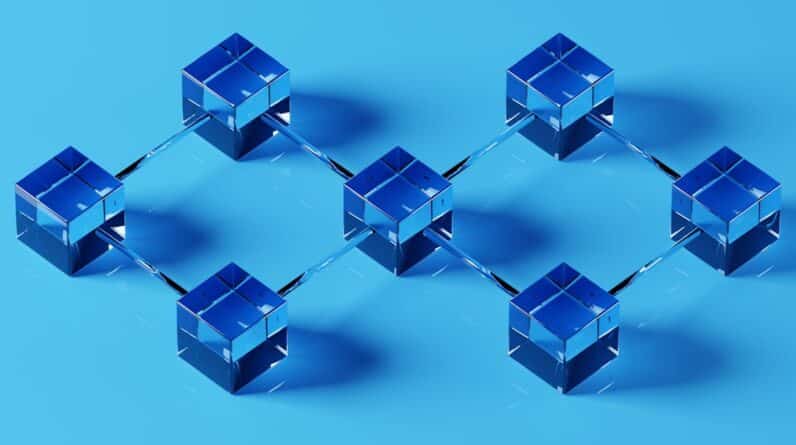
As you delve into the world of crypto and digital art, it’s essential to grasp the fundamental concepts that underpin these two dynamic fields. Cryptocurrency, a digital or virtual form of currency that uses cryptography for security, has revolutionized how we perceive value and transactions. It operates on decentralized networks, primarily blockchain technology, which ensures transparency and security.
Digital art, on the other hand, encompasses any artistic work created or presented in a digital format. This can range from digital paintings and illustrations to animations and interactive installations. The intersection of these two realms has given rise to a new paradigm in the art world, where artists can create, sell, and trade their work in innovative ways.
The emergence of non-fungible tokens (NFTs) has been a game-changer for digital art. NFTs are unique digital assets that represent ownership of a specific item or piece of content on the blockchain. Unlike cryptocurrencies such as Bitcoin or Ethereum, which are interchangeable, NFTs are one-of-a-kind and cannot be replicated.
This uniqueness adds value to digital art, allowing artists to monetize their creations in ways that were previously unimaginable. As you explore this landscape, you’ll find that understanding the technology behind crypto and the principles of digital art will empower you to navigate this exciting new frontier effectively.
Key Takeaways
- Crypto and digital art are revolutionizing the art world by providing a secure and transparent way to buy, sell, and own digital artwork.
- When choosing a crypto platform for digital art, consider factors such as security, user interface, fees, and the platform’s reputation within the art community.
- Creating and selling digital art with crypto allows artists to reach a global audience and receive instant and secure payments without the need for intermediaries.
- Protect your digital art with crypto by using blockchain technology to establish provenance and ownership, as well as by utilizing smart contracts for automated royalties and resale rights.
- Collaborating and licensing digital art with crypto opens up new opportunities for artists to work with others and monetize their creations through licensing agreements and royalties.
Choosing the Right Crypto Platform for Digital Art
When it comes to selecting a crypto platform for your digital art endeavors, you have a plethora of options at your disposal. Each platform offers unique features, user experiences, and community dynamics that can significantly impact your journey as an artist or collector. Popular platforms like OpenSea, Rarible, and Foundation have gained traction for their user-friendly interfaces and robust marketplaces.
As you evaluate these platforms, consider factors such as transaction fees, supported cryptocurrencies, and the types of digital art they specialize in. Additionally, it’s crucial to assess the community surrounding each platform. Engaging with fellow artists and collectors can provide valuable insights and opportunities for collaboration.
Some platforms may cater more to established artists, while others might be more welcoming to newcomers. By immersing yourself in these communities, you can gain a better understanding of market trends and best practices for promoting your work. Ultimately, choosing the right platform is about aligning your artistic vision with a marketplace that supports your goals and aspirations.
Creating and Selling Digital Art with Crypto
Once you’ve chosen a platform, the next step is to create and sell your digital art using cryptocurrency. The creative process can be both exhilarating and daunting, but it’s essential to find your unique voice as an artist. Whether you’re working with digital painting software, 3D modeling tools, or animation programs, focus on honing your skills and developing a distinctive style that resonates with your audience.
Experimentation is key; don’t be afraid to push boundaries and explore new techniques that can set your work apart in a crowded marketplace. After creating your masterpiece, the selling process begins. Minting your artwork as an NFT involves uploading your digital file to the chosen platform and following their specific guidelines for creating an NFT.
This process typically includes setting a price, defining royalties for future sales, and providing a description that captures the essence of your work. Once minted, your NFT will be listed on the marketplace, allowing potential buyers to discover and purchase it using cryptocurrency. Promoting your art through social media channels and engaging with the community can significantly enhance your visibility and increase the likelihood of sales.
Protecting Your Digital Art with Crypto
In the digital age, protecting your artwork is paramount. While blockchain technology offers a level of security through its decentralized nature, it’s essential to take additional steps to safeguard your creations. One effective method is to watermark your digital files before minting them as NFTs.
This not only helps deter unauthorized use but also establishes your brand identity as an artist. Additionally, consider keeping detailed records of your work’s creation process, including sketches and drafts, as this documentation can serve as proof of ownership in case of disputes. Another crucial aspect of protection is understanding the terms and conditions of the platform you choose to use.
Each marketplace has its own policies regarding copyright and ownership rights associated with NFTs. Familiarize yourself with these terms to ensure that you retain control over your work and its distribution. By being proactive about protecting your digital art, you can focus on creating without the constant worry of infringement or unauthorized use.
Collaborating and Licensing Digital Art with Crypto
Collaboration is an exciting avenue within the crypto and digital art space that can lead to innovative projects and expanded audiences. Working with other artists or creators allows you to blend styles and ideas, resulting in unique pieces that may attract attention from diverse communities. Platforms like Discord or social media groups dedicated to crypto art can be excellent places to connect with potential collaborators who share your vision.
Licensing your digital art is another way to generate income while maintaining ownership of your work. By granting permission for others to use your art under specific conditions—such as for commercial purposes or in limited editions—you can create additional revenue streams without relinquishing control over your creations. Smart contracts on blockchain platforms facilitate this process by automating licensing agreements and ensuring that you receive royalties whenever your work is used or resold.
Investing in Digital Art with Crypto
Conducting Thorough Research
When considering investments in digital art, it’s crucial to conduct thorough research on artists, their previous works, and market trends. This research will help you make informed decisions and avoid potential pitfalls.
Personal Connection and Long-term Perspective
Investing in art should be about more than just financial gain; it should also reflect your personal tastes and values. Look for pieces that resonate with you, and adopt a long-term perspective rather than seeking quick profits. This approach will help you navigate the volatile digital art market, where prices fluctuate based on demand and trends within the crypto space.
Building Relationships and Strategic Investing
Building relationships within the digital art community can provide valuable insights into upcoming artists or projects worth investing in. By approaching digital art investment thoughtfully and strategically, you can contribute to the growth of this vibrant ecosystem while potentially reaping financial rewards.
Navigating Legal and Copyright Issues with Crypto and Digital Art
The intersection of crypto and digital art raises important legal and copyright considerations that every artist and investor should be aware of. Copyright law protects original works of authorship, including digital art; however, the rapid evolution of technology has created complexities in how these laws apply in the context of NFTs. As you create or invest in digital art, it’s crucial to understand your rights as an artist or collector.
Familiarize yourself with copyright registration processes and how they apply to digital works. Additionally, be mindful of potential copyright infringement when creating or selling digital art. Using copyrighted materials without permission can lead to legal disputes that may jeopardize your career or investments.
Always seek permission when incorporating elements from other artists’ works into your creations or ensure that you’re using royalty-free resources. By navigating these legal waters carefully, you can protect yourself while contributing positively to the evolving landscape of crypto and digital art.
The Future of Crypto and Digital Art
Looking ahead, the future of crypto and digital art appears bright yet unpredictable. As technology continues to advance, we can expect new innovations that will further enhance how artists create, share, and monetize their work. The integration of augmented reality (AR) and virtual reality (VR) into digital art experiences may open up exciting possibilities for immersive storytelling and interactive installations that engage audiences in unprecedented ways.
Moreover, as more artists embrace blockchain technology for their work, we may witness a shift in how traditional galleries operate. The rise of decentralized platforms could democratize access to art markets, allowing emerging artists to gain visibility without relying solely on established institutions. This evolution could lead to a more diverse range of voices being represented in the art world.
In conclusion, navigating the realms of crypto and digital art requires a blend of creativity, strategic thinking, and an understanding of technology’s implications on ownership and value. By embracing these concepts and staying informed about industry trends, you can position yourself at the forefront of this exciting intersection where artistry meets innovation.
FAQs
What is crypto art?
Crypto art refers to digital artwork that is bought, sold, and owned using cryptocurrency. It is often associated with non-fungible tokens (NFTs), which are unique digital tokens that represent ownership of a specific piece of digital art.
How can I use crypto for digital art?
To use crypto for digital art, you can buy and sell digital artwork using cryptocurrency, particularly through platforms that support NFTs. You can also use cryptocurrency to support and fund digital artists directly through donations or commissions.
What are the benefits of using crypto for digital art?
Using crypto for digital art provides benefits such as decentralized ownership and provenance, enabling artists to receive direct support from their audience, and creating new opportunities for digital artists to monetize their work.
What are some popular cryptocurrencies used for digital art?
Popular cryptocurrencies used for digital art include Ethereum (ETH), which is the most widely used for NFTs, as well as other cryptocurrencies like Bitcoin (BTC), Binance Coin (BNB), and others supported by NFT marketplaces.
Are there any risks associated with using crypto for digital art?
Some risks associated with using crypto for digital art include market volatility, potential for scams or fraud, and environmental concerns related to the energy consumption of blockchain networks. It’s important to research and understand these risks before getting involved in the crypto art space.