What comes to your mind when you hear the term “crypto money”? Is it an image of an elusive digital currency floating in the ether, a high-stakes investment, or perhaps a tool for revolutionizing the world of finance? The concept of crypto money, or cryptocurrency, has become a hot topic in recent years, generating interest from tech enthusiasts, investors, and everyday individuals alike. Let’s take a closer look at what cryptocurrency is, how it works, and why it matters.

Understanding Cryptocurrency
Cryptocurrency is more than just a buzzword; it’s a groundbreaking innovation in how we conceive money and finance. At its core, cryptocurrency is a form of digital or virtual currency that uses cryptography for security. This means it is designed to be secure and, in many cases, anonymous. Unlike traditional currency issued by governments (often referred to as fiat currency), cryptocurrencies operate on decentralized networks based on blockchain technology.
The Basics of Blockchain Technology
Blockchain is the backbone of cryptocurrency. It’s a distributed ledger that records all transactions across a network of computers. This technology ensures transparency and security since every transaction is visible to all users within the network. Imagine a book where every page records a transaction—once something is written, it can’t be changed without everyone knowing. This feature is vital for preventing fraud and double-spending.
Centralized vs. Decentralized Systems
In standard banking systems, financial institutions and governments play a central role in managing transactions and ensuring trust. This centralized approach comes with its own set of challenges, including the potential for corruption and systemic failures. Cryptocurrency, on the other hand, is typically decentralized, meaning no single entity controls it. This can empower individuals and communities by reducing the need for intermediaries like banks.
The Birth of Cryptocurrency
The first cryptocurrency, Bitcoin, was introduced in 2009 by an anonymous person or group known as Satoshi Nakamoto. The launch of Bitcoin marked the beginning of a new era in finance. Since then, thousands of alternative cryptocurrencies, collectively known as altcoins, have emerged, each offering unique features and use cases. You might have heard of Ethereum, Ripple, Litecoin, and others, all serving distinct purposes within the digital economy.
Bitcoin: The Pioneer
Bitcoin was designed as a decentralized digital currency for peer-to-peer transactions. Its primary goal is to allow people to send and receive payments without the need for intermediaries. The supply of Bitcoin is capped at 21 million coins, which helps to create scarcity and potentially increase value over time.
The Rise of Altcoins
Following Bitcoin’s success, many alternative cryptocurrencies have entered the market, each trying to solve different problems or introduce new features. For example:
| Cryptocurrency | Purpose |
|---|---|
| Ethereum | Facilitates smart contracts and decentralized applications (dApps). |
| Ripple | Seamless international money transfers and cross-border transactions. |
| Litecoin | Offers faster transaction times than Bitcoin, making it a more viable currency for everyday payments. |
These altcoins have expanded the functionality and scope of digital currencies, catering to various niches and user needs.
How Does Cryptocurrency Work?
Understanding the mechanics behind cryptocurrency is essential for appreciating its significance. The key components include wallets, mining, transactions, and consensus mechanisms.
Cryptocurrency Wallets
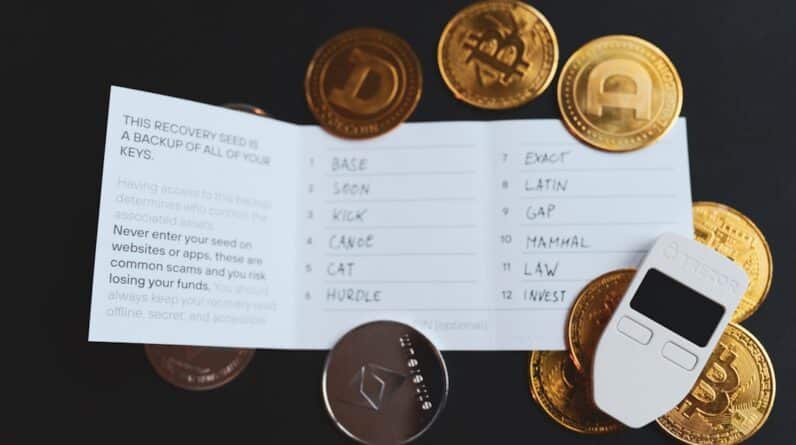
To store and manage your cryptocurrency, you need a digital wallet. Wallets can be hardware-based (physical devices) or software-based (applications on your computer or phone). Your wallet contains private keys—a kind of password that allows you to access your coins—and public keys, which you share to receive funds.
Types of Wallets
| Wallet Type | Description |
|---|---|
| Hot Wallet | Connected to the internet; easy to use but more vulnerable to attacks. |
| Cold Wallet | Offline storage; more secure but less convenient for quick transactions. |
Choosing the right wallet depends on your level of comfort with technology and how often you intend to trade or transact.
Mining: The Process of Creation
Mining is the process through which new cryptocurrency coins are created and transactions are confirmed. It involves solving complex mathematical problems that require substantial computational power. Miners are rewarded with cryptocurrency for their efforts, incentivizing them to maintain the network’s integrity.
Transactions and Verification
When you initiate a cryptocurrency transaction, it gets broadcasted to the network. Nodes (computers participating in the network) validate the transaction and ensure it adheres to the protocol rules. Once validated, the transaction is added to the blockchain, securing it for future reference.
Consensus Mechanisms
Various consensus mechanisms exist to verify transactions, each with its unique advantages and drawbacks. The two most common are:
| Consensus Mechanism | Description |
|---|---|
| Proof of Work (PoW) | Miners solve complex puzzles to validate transactions and secure the network. |
| Proof of Stake (PoS) | Validators are chosen to create new blocks based on the amount of cryptocurrency they hold and are willing to “stake” in the network. |
Choosing a consensus mechanism can significantly impact a cryptocurrency’s efficiency, security, and environmental footprint.
The Benefits of Cryptocurrency
Cryptocurrency offers several advantages over traditional fiat currencies and banking systems. Below are some key benefits you might find appealing.
Decentralization and Autonomy
One of the most compelling features of cryptocurrency is its decentralized nature. You can conduct transactions without the need for intermediaries, giving you full control over your assets. This independence can be liberating and may empower you to manage your finances more effectively.
Lower Transaction Fees
Cryptocurrency transactions often come with lower fees than those associated with traditional banking and money transfer services. This is particularly beneficial for international transactions, where high fees can eat into funds.
Security and Privacy
Cryptocurrency transactions are secured by cryptographic protocols, making them resistant to fraud and hacking. Additionally, many cryptocurrencies offer a level of anonymity not present in traditional banking—though it’s important to note that this degree of privacy varies.
Accessibility
Cryptocurrencies can be accessed by anyone with an internet connection, regardless of where they reside. This opens up financial opportunities for people in underserved areas without access to traditional banking services.
Speed of Transactions
Cryptocurrency transactions can occur much faster than traditional bank transfers, often processing within minutes. This is especially advantageous for cross-border payments, which can take several days through traditional channels.

The Risks of Cryptocurrency
Despite the numerous benefits, cryptocurrency is not without its challenges. It’s essential to be aware of the potential risks involved.
Price Volatility
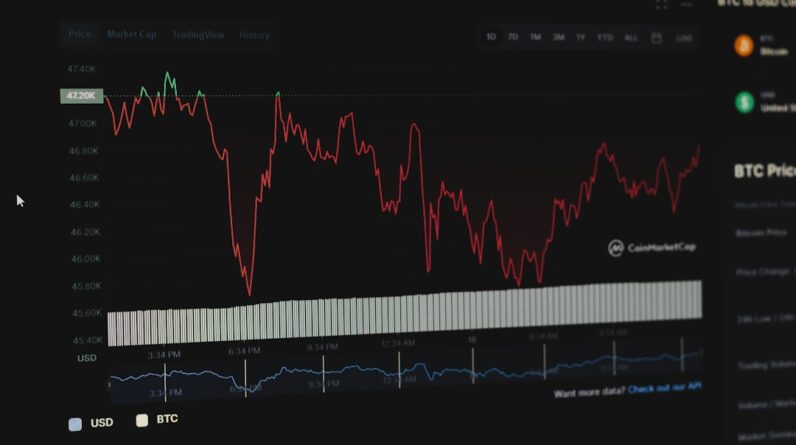
Cryptocurrency markets are notoriously volatile. The price of a coin can fluctuate dramatically within a short period, making it a risky investment. Speculative trading can lead to significant gains but also substantial losses.
Regulatory Risks
Governments around the world are still figuring out how to regulate cryptocurrency. Changes in regulations can dramatically affect the market, leading to uncertainty for investors and users.
Security Concerns
While blockchain technology is secure, crypto wallets and exchange platforms can still be susceptible to hacks. Losing access to your wallet or falling victim to a scam can result in permanent loss of your assets.
Lack of Consumer Protections
Unlike banks, which often have mechanisms in place to protect their customers, cryptocurrency transactions are irreversible. If you make a mistake or get scammed, it can be nearly impossible to recover your funds.
The Future of Cryptocurrency
Looking ahead, the future of cryptocurrency seems bright yet uncertain. Many experts believe we’re only beginning to scratch the surface of what digital currencies can achieve. As technology continues to evolve, so too will the applications and potential use cases for cryptocurrency.
Potential Use Cases
Some exciting areas where cryptocurrency is making and could continue to make an impact include:
| Use Case | Description |
|---|---|
| Supply Chain | Blockchain can enhance transparency and efficiency in tracking goods. |
| Healthcare | Secure patient data sharing and streamlined billing processes through decentralized systems. |
| Digital Identity | Cryptocurrencies could revolutionize how we verify identities securely and privately. |
Integration with Traditional Finance
We are observing a gradual integration of cryptocurrency with traditional financial practices. Many banks are beginning to explore how they can leverage blockchain technology, leading to innovative payment solutions and financial products. This hybrid approach could bridge the gap between traditional finance and the emerging crypto landscape.
Environmental Concerns
As cryptocurrencies like Bitcoin face scrutiny over their environmental impact due to energy-intensive mining practices, there’s a push for more sustainable alternatives. Innovations in greener consensus mechanisms, such as Proof of Stake, could help reduce crypto’s carbon footprint.

How to Get Started with Cryptocurrency
If you’re interested in jumping into the world of cryptocurrencies, there are a few steps you should consider.
Educate Yourself
Before investing any money, take the time to educate yourself about the different kinds of cryptocurrencies available, how they work, and the technologies behind them. Familiarize yourself with terms like public keys, private keys, wallets, exchanges, and blockchain.
Choose a Reliable Exchange
Select a reputable cryptocurrency exchange to buy, sell, or trade digital currencies. Take into account their fees, security features, and available cryptocurrencies.
Set Up a Digital Wallet
Establish a secure digital wallet to store your assets safely. This is essential to keeping your investment secure. Consider using both hot and cold wallets for a balanced approach.
Start Small
If you’re new to the world of cryptocurrency, it’s wise to start small. Invest only what you can afford to lose, as the market can be volatile. Gradually increase your investment as you gain confidence and knowledge.
Keep Updated
Stay informed about market trends, technological advancements, and regulatory changes. This knowledge can help you make better investment decisions and stay ahead of the curve.
Joining the Cryptocurrency Community
Engaging with other enthusiasts can enhance your understanding and experience. You might consider:
- Forums and Online Communities: Websites like Reddit or specialized crypto forums can be gold mines of information and support.
- Local Meetups and Conferences: Connecting with likeminded individuals can provide insights and networking opportunities, helping you stay up to date with industry trends.

Conclusion
Cryptocurrency is more than just a means of exchange; it is a symbol of innovation and potential change in our financial world. Understanding concepts like blockchain, mining, and transaction mechanisms will help you navigate this complex landscape, whether you’re interested in investing or simply curious about how it all works.
As you immerse yourself in the myriad facets of crypto money, keep in mind the risks and rewards it encompasses. Staying informed, being cautious, and joining a community can make your journey all the more enriching.
In a rapidly changing world, cryptocurrency represents a frontier that is still being forged. Your involvement may just be the beginning of something exciting—and perhaps, transformative. Are you ready to embrace the future of money?