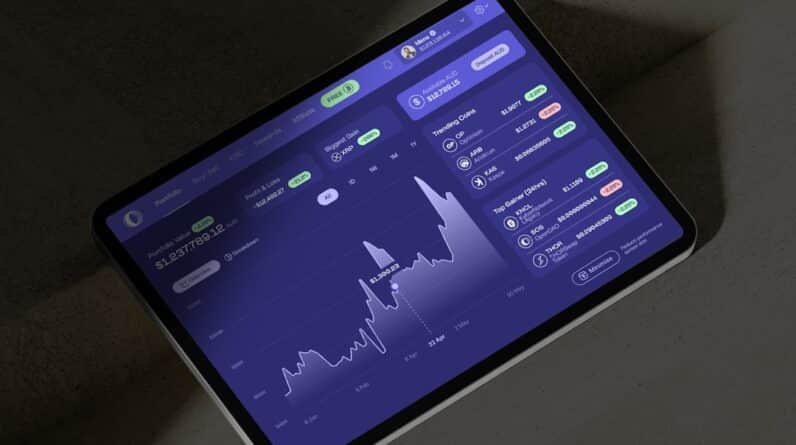
In recent years, the financial landscape has undergone a seismic shift, with cryptocurrency emerging as a formidable player alongside traditional investment management. You may have noticed that the allure of digital currencies like Bitcoin and Ethereum has captivated investors, sparking debates about their legitimacy and potential. Traditional investment management, characterized by stocks, bonds, and mutual funds, has long been the bedrock of wealth accumulation.
However, the rise of crypto has introduced a new paradigm that challenges conventional wisdom and invites you to reconsider your investment strategies. As you delve into the world of investment management, it’s essential to understand the fundamental differences between these two approaches. Traditional investment management relies on established financial instruments and regulatory frameworks, while cryptocurrency operates in a decentralized environment, often outside the purview of traditional financial institutions.
This divergence presents both opportunities and risks, compelling you to navigate a complex landscape where innovation meets regulation. The intersection of these two worlds is not merely a trend; it represents a fundamental shift in how you might think about investing in the future.
Key Takeaways
- Traditional investment management involves investing in traditional assets such as stocks, bonds, and real estate, while crypto investment management involves investing in digital assets such as cryptocurrencies and blockchain-based projects.
- Crypto has disrupted traditional investment management by offering new and innovative investment opportunities, as well as challenging the traditional financial system with decentralized and borderless transactions.
- Traditional investment managers face opportunities in the crypto space such as diversification and potential high returns, but also challenges such as regulatory uncertainty and technological complexity.
- Incorporating crypto into traditional investment portfolios can provide diversification benefits, but also requires thorough due diligence and risk assessment due to the high volatility and regulatory uncertainty in the crypto market.
- Regulatory and compliance issues in crypto investment management are a major concern for traditional investment managers, as the evolving regulatory landscape and potential legal risks require careful navigation and adherence to compliance standards.
Disruption of Traditional Investment Management by Crypto
The advent of cryptocurrency has disrupted traditional investment management in ways that are both profound and far-reaching. You may have observed that the volatility of crypto markets contrasts sharply with the relative stability of traditional assets. This volatility can be both a double-edged sword and an opportunity for savvy investors.
While traditional markets often move in response to economic indicators and corporate performance, crypto markets can be influenced by social media trends, technological advancements, and regulatory news, making them unpredictable yet enticing. Moreover, the democratization of finance through blockchain technology has empowered individuals to invest directly in assets without intermediaries. You might find this particularly appealing, as it allows for greater control over your investments.
The rise of decentralized finance (DeFi) platforms has further accelerated this disruption, enabling you to lend, borrow, and trade assets in ways that were previously unimaginable. As traditional investment managers grapple with these changes, they must adapt their strategies to remain relevant in a landscape increasingly dominated by digital assets.
Opportunities and Challenges for Traditional Investment Managers in the Crypto Space

As a traditional investment manager, you face both opportunities and challenges in the burgeoning crypto space. On one hand, the integration of cryptocurrency into your offerings can attract a new generation of investors who are eager to explore innovative financial products. By incorporating crypto assets into your portfolio management strategies, you can diversify your offerings and potentially enhance returns for your clients.
This diversification can be particularly appealing in times of economic uncertainty when traditional assets may underperform. However, the challenges are equally significant. The rapid pace of technological change in the crypto space means that you must stay informed about emerging trends and developments.
The lack of established regulatory frameworks can create uncertainty, making it difficult to navigate compliance issues. Additionally, the inherent volatility of cryptocurrencies poses risks that you must carefully manage to protect your clients’ investments. Balancing these opportunities and challenges requires a proactive approach and a willingness to embrace change while maintaining a commitment to sound investment principles.
Incorporating Crypto into Traditional Investment Portfolios
Incorporating cryptocurrency into traditional investment portfolios is not merely a trend; it represents a strategic evolution in asset allocation. As you consider adding crypto assets to your portfolio, it’s crucial to assess how they align with your overall investment goals and risk tolerance. You may find that allocating a small percentage of your portfolio to cryptocurrencies can enhance diversification and potentially improve returns over the long term.
This approach allows you to tap into the growth potential of digital assets while mitigating risks associated with their volatility. When integrating crypto into your portfolio, it’s essential to conduct thorough research and due diligence on various cryptocurrencies and blockchain projects. You should evaluate factors such as market capitalization, technology, use cases, and community support.
Additionally, consider employing a phased approach to investing in crypto, gradually increasing your exposure as you become more comfortable with the asset class. This strategy not only helps you manage risk but also allows you to stay informed about market developments and adjust your portfolio as needed.
Regulatory and Compliance Issues in Crypto Investment Management
Navigating the regulatory landscape surrounding cryptocurrency is one of the most significant challenges you will face as an investment manager. The rapid evolution of the crypto market has outpaced regulatory frameworks in many jurisdictions, leading to uncertainty regarding compliance requirements. You may find yourself grappling with questions about how to classify cryptocurrencies for tax purposes or whether certain tokens qualify as securities under existing laws.
To effectively manage these regulatory challenges, it’s essential to stay informed about developments in legislation and compliance standards related to cryptocurrency. Engaging with legal experts who specialize in crypto regulations can provide valuable insights and help you navigate this complex landscape. Additionally, establishing robust compliance protocols within your organization will be crucial as you incorporate crypto into your investment strategies.
By prioritizing compliance, you can build trust with your clients and position yourself as a responsible player in the evolving world of digital assets.
Risk Management and Security Considerations in Crypto Investments

Risk management is paramount when venturing into the world of cryptocurrency investments. The unique characteristics of digital assets necessitate a different approach compared to traditional investments. As you explore opportunities in crypto, it’s essential to implement comprehensive risk management strategies that account for factors such as market volatility, technological vulnerabilities, and regulatory uncertainties.
Security considerations are also critical in the realm of crypto investments. You must be vigilant about safeguarding your digital assets from potential threats such as hacking or fraud. Utilizing secure wallets, implementing multi-factor authentication, and conducting regular security audits are essential steps to protect your investments.
Additionally, educating yourself and your clients about best practices for securing crypto holdings can help mitigate risks associated with this asset class.
The Future of Traditional Investment Management in a Crypto-Dominated Market
As cryptocurrency continues to gain traction, the future of traditional investment management will inevitably be shaped by its influence. You may envision a landscape where hybrid investment strategies become the norm, blending traditional assets with digital currencies to create diversified portfolios that cater to evolving investor preferences. This shift will require you to adapt your skills and knowledge to remain competitive in an increasingly digital world.
Moreover, the integration of blockchain technology into traditional financial systems could revolutionize how transactions are conducted and recorded. You might find that smart contracts and decentralized applications streamline processes such as trade settlement and compliance reporting, enhancing efficiency within investment management firms. Embracing these technological advancements will be crucial for staying relevant in a market where innovation is paramount.
Navigating the Changing Landscape of Investment Management with Crypto
In conclusion, navigating the changing landscape of investment management requires you to embrace the opportunities presented by cryptocurrency while remaining vigilant about its challenges. The disruption caused by digital assets has prompted traditional investment managers to rethink their strategies and adapt to an evolving market environment. By incorporating crypto into your investment portfolios, staying informed about regulatory developments, and prioritizing risk management and security considerations, you can position yourself for success in this dynamic landscape.
As you move forward, remember that the integration of cryptocurrency into traditional investment management is not just about keeping up with trends; it’s about understanding the fundamental shifts occurring within the financial ecosystem. By approaching this new frontier with an open mind and a commitment to continuous learning, you can navigate the complexities of crypto investments while providing value to your clients in an ever-changing world. The future of investment management is undoubtedly intertwined with cryptocurrency, and your ability to adapt will determine your success in this exciting new era.
FAQs
What is the impact of crypto on traditional investment management strategies?
The impact of crypto on traditional investment management strategies is significant, as it introduces a new asset class with unique characteristics and challenges.
How does crypto affect portfolio diversification?
Crypto can provide diversification benefits to traditional investment portfolios due to its low correlation with traditional asset classes such as stocks and bonds.
What are the risks associated with incorporating crypto into investment portfolios?
The risks associated with incorporating crypto into investment portfolios include price volatility, regulatory uncertainty, security concerns, and technological risks.
How does crypto impact risk management in investment management?
Crypto introduces new risk management considerations for investment managers, including the need to assess and mitigate the unique risks associated with the crypto market.
What are the regulatory challenges of integrating crypto into traditional investment management strategies?
Regulatory challenges of integrating crypto into traditional investment management strategies include compliance with evolving regulations, anti-money laundering (AML) requirements, and investor protection measures.
How does the adoption of crypto impact investment management firms and professionals?
The adoption of crypto requires investment management firms and professionals to develop expertise in crypto assets, understand blockchain technology, and navigate the evolving regulatory landscape.