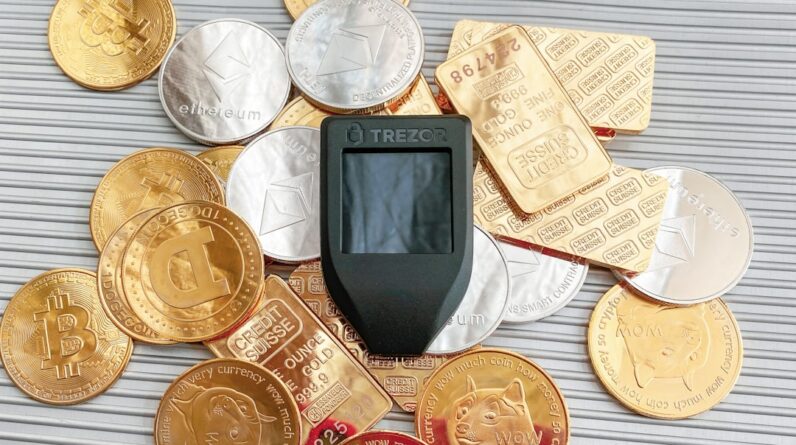
In the rapidly evolving world of cryptocurrency, understanding the tools that facilitate your transactions is crucial. Crypto wallets and exchanges serve as the backbone of your digital currency experience, allowing you to store, send, and receive cryptocurrencies. A crypto wallet is essentially a digital tool that allows you to manage your cryptocurrency holdings.
It can be software-based, like a mobile app or desktop application, or hardware-based, which involves physical devices that store your keys offline. On the other hand, exchanges are platforms where you can buy, sell, or trade cryptocurrencies for other digital assets or traditional currencies. These platforms play a pivotal role in the liquidity and accessibility of cryptocurrencies.
As you navigate this landscape, it’s essential to grasp the significance of security in both wallets and exchanges. With the increasing popularity of cryptocurrencies, the potential for security breaches has also escalated. Understanding how these tools work and the risks associated with them can empower you to make informed decisions about your investments.
Whether you are a seasoned trader or a newcomer to the crypto space, being aware of the security measures in place can help protect your assets from potential threats.
Key Takeaways
- Introduction to Crypto Wallets and Exchanges: Crypto wallets and exchanges are essential tools for buying, selling, and storing cryptocurrencies.
- Types of Security Risks in Crypto Wallets and Exchanges: Security risks include hacking, phishing, malware, and insider threats.
- Common Security Breaches in Crypto Wallets and Exchanges: Breaches often involve theft of funds, unauthorized access, and compromised user data.
- Best Practices for Securing Crypto Wallets and Exchanges: Best practices include using hardware wallets, enabling two-factor authentication, and keeping software up to date.
- Regulatory Measures for Crypto Wallets and Exchanges: Regulatory measures aim to protect investors and prevent illicit activities in the crypto space.
Types of Security Risks in Crypto Wallets and Exchanges
When it comes to crypto wallets and exchanges, various security risks can jeopardize your assets. One of the most prevalent risks is hacking. Cybercriminals often target exchanges due to the large amounts of cryptocurrency they hold.
If an exchange is compromised, it can lead to significant financial losses for users. Additionally, wallets can also be vulnerable to hacking attempts, especially if they are not adequately secured. Phishing attacks are another common risk; these involve tricking users into providing sensitive information by masquerading as legitimate services.
Another type of risk you should be aware of is the potential for insider threats. Employees at exchanges or wallet service providers may have access to sensitive information and could exploit this access for personal gain. Furthermore, human error can also pose a significant risk.
For instance, if you accidentally share your private keys or fail to implement two-factor authentication, you could inadvertently expose your assets to theft. Understanding these risks is the first step in safeguarding your investments.
Common Security Breaches in Crypto Wallets and Exchanges

Security breaches in crypto wallets and exchanges have become alarmingly common, with numerous high-profile incidents making headlines over the years. One notable example is the Mt. Gox incident, where hackers stole approximately 850,000 Bitcoins from the exchange, leading to its eventual bankruptcy.
This breach highlighted the vulnerabilities inherent in centralized exchanges and served as a wake-up call for investors regarding the importance of security. Another significant breach occurred with Bitfinex in 2016 when hackers stole nearly $72 million worth of Bitcoin. This incident not only affected individual investors but also shook confidence in the exchange itself.
Such breaches often result in long-lasting repercussions, including regulatory scrutiny and a loss of trust among users. As you consider engaging with different platforms, it’s essential to research their security history and understand how they have responded to past incidents.
Best Practices for Securing Crypto Wallets and Exchanges
To protect your assets effectively, adopting best practices for securing your crypto wallets and exchanges is vital. First and foremost, always enable two-factor authentication (2FA) on your accounts. This additional layer of security requires not just your password but also a second form of verification, such as a code sent to your mobile device.
This simple step can significantly reduce the risk of unauthorized access. Moreover, consider using hardware wallets for long-term storage of your cryptocurrencies. Unlike software wallets that are connected to the internet and thus more susceptible to hacking, hardware wallets store your private keys offline, making them much more secure against cyber threats.
Additionally, regularly updating your software and being cautious about sharing personal information can further enhance your security posture. By implementing these practices, you can create a robust defense against potential threats.
Regulatory Measures for Crypto Wallets and Exchanges
As the cryptocurrency market matures, regulatory measures are increasingly being put in place to protect investors and ensure the integrity of the market. Governments around the world are recognizing the need for regulations that address security concerns associated with crypto wallets and exchanges. These regulations often require platforms to implement stringent security protocols, conduct regular audits, and maintain transparency with their users.
In many jurisdictions, exchanges are now required to comply with anti-money laundering (AML) and know-your-customer (KYC) regulations. These measures help prevent illicit activities and ensure that users are who they claim to be. As an investor, understanding these regulations can provide you with insights into the safety and reliability of the platforms you choose to use.
Staying informed about regulatory developments can also help you navigate potential changes that may impact your investments.
Impact of Security Risks on Crypto Investors

The impact of security risks on crypto investors cannot be overstated. When breaches occur, they not only result in financial losses but can also lead to emotional distress for those affected. The fear of losing hard-earned investments can deter individuals from participating in the cryptocurrency market altogether.
This hesitance can stifle innovation and growth within the industry as potential investors remain on the sidelines due to concerns about security. Moreover, security incidents can lead to increased volatility in cryptocurrency prices. When a major exchange suffers a breach, it often results in panic selling among investors, causing prices to plummet.
This reaction can create a ripple effect throughout the market, affecting even those who are not directly involved with the compromised platform. As an investor, being aware of these dynamics can help you make more informed decisions during turbulent times.
Case Studies of Security Breaches in Crypto Wallets and Exchanges
Examining case studies of security breaches provides valuable lessons for both investors and platform operators alike. One infamous case is that of Coincheck, a Japanese exchange that suffered a massive hack in 2018 resulting in the theft of over $500 million worth of NEM tokens. The incident raised questions about the adequacy of security measures employed by exchanges and prompted calls for stricter regulations within Japan’s cryptocurrency market.
Another significant breach occurred with Binance in 2019 when hackers stole over $40 million worth of Bitcoin from user accounts. Binance responded swiftly by using its Secure Asset Fund for Users (SAFU) to cover losses incurred by affected users. This incident underscored the importance of having contingency plans in place for exchanges and highlighted how effective communication during crises can help maintain user trust.
Future Trends in Security for Crypto Wallets and Exchanges
As technology continues to advance, so too will the security measures employed by crypto wallets and exchanges. One emerging trend is the integration of artificial intelligence (AI) into security protocols. AI can analyze vast amounts of data in real-time to detect unusual patterns or behaviors that may indicate a security threat.
This proactive approach could significantly enhance the ability of platforms to prevent breaches before they occur. Additionally, decentralized finance (DeFi) is gaining traction as an alternative to traditional exchanges, offering users more control over their assets while reducing reliance on centralized platforms that may be vulnerable to attacks. As DeFi continues to evolve, it will likely bring new security challenges but also innovative solutions that prioritize user safety.
In conclusion, understanding the landscape of crypto wallets and exchanges is essential for anyone looking to invest in cryptocurrencies. By being aware of the types of security risks present, adopting best practices for protection, and staying informed about regulatory measures and emerging trends, you can navigate this complex environment with greater confidence. The future of cryptocurrency holds immense potential, but ensuring its security will remain a top priority for all stakeholders involved.
FAQs
What are the common security risks in crypto wallets and exchanges?
Some common security risks in crypto wallets and exchanges include hacking, phishing attacks, malware, and insider threats.
How can hacking pose a security risk in crypto wallets and exchanges?
Hacking can pose a security risk in crypto wallets and exchanges by allowing unauthorized access to users’ funds and personal information.
What are phishing attacks and how do they pose a security risk in crypto wallets and exchanges?
Phishing attacks involve tricking users into providing their sensitive information, such as login credentials or private keys, to malicious actors. This poses a security risk in crypto wallets and exchanges as it can lead to unauthorized access and theft of funds.
How can malware pose a security risk in crypto wallets and exchanges?
Malware can pose a security risk in crypto wallets and exchanges by infecting users’ devices and stealing their private keys or login credentials, allowing attackers to access and steal their funds.
What are insider threats and how do they pose a security risk in crypto wallets and exchanges?
Insider threats involve employees or individuals with insider access to the systems of crypto wallets and exchanges exploiting their privileges to steal funds or sensitive information, posing a security risk to users.