To embark on your journey into the world of cryptocurrency, it is essential to grasp the fundamental concepts that underpin this digital revolution. At its core, cryptocurrency is a form of digital or virtual currency that employs cryptography for security. Unlike traditional currencies issued by governments, cryptocurrencies operate on decentralized networks based on blockchain technology.
This means that transactions are recorded on a public ledger, ensuring transparency and security while eliminating the need for intermediaries like banks. As you delve deeper into the realm of cryptocurrency, you will encounter various types, each with unique features and purposes. Bitcoin, the first and most well-known cryptocurrency, was created in 2009 as a response to the financial crisis, aiming to provide an alternative to conventional banking systems.
Since then, thousands of other cryptocurrencies have emerged, including Ethereum, Ripple, and Litecoin, each offering distinct functionalities and use cases. Understanding these differences is crucial as you navigate the landscape and consider which cryptocurrencies align with your investment goals.
Key Takeaways
- Cryptocurrency is a digital or virtual form of currency that uses cryptography for security and operates independently of a central bank.
- When choosing the right cryptocurrency to invest in, consider factors such as the technology behind it, its use case, and the team behind the project.
- Setting up a secure wallet for your cryptocurrency investments is crucial to protect your assets from theft or hacking.
- Researching and analyzing market trends can help you make informed decisions and identify potential investment opportunities in the cryptocurrency market.
- Developing a long-term investment strategy can help you navigate the volatility of the cryptocurrency market and achieve your financial goals.
Choosing the Right Cryptocurrency to Invest In
Selecting the right cryptocurrency to invest in can be a daunting task, given the vast array of options available. To make informed decisions, you should start by identifying your investment objectives. Are you looking for short-term gains or long-term growth?
Your strategy will significantly influence which cryptocurrencies you should consider. For instance, if you are inclined towards high-risk investments with the potential for substantial returns, you might explore lesser-known altcoins. Conversely, if you prefer stability, established cryptocurrencies like Bitcoin or Ethereum may be more suitable.
Once you have defined your investment goals, it is essential to conduct thorough research on potential cryptocurrencies. Look into their market capitalization, historical performance, and the technology behind them. Understanding the team behind a project, their vision, and the problem they aim to solve can provide valuable insights into its potential for success.
Additionally, consider the community surrounding a cryptocurrency; a strong and active community often indicates a higher likelihood of sustained interest and growth.
Setting Up a Secure Wallet for Your Investments

After selecting the cryptocurrencies you wish to invest in, the next step is to set up a secure wallet to store your digital assets. A cryptocurrency wallet is a software application or hardware device that allows you to send, receive, and manage your cryptocurrencies safely. There are several types of wallets available, including hot wallets (connected to the internet) and cold wallets (offline storage).
While hot wallets offer convenience for frequent transactions, cold wallets provide enhanced security against hacking and theft. When setting up your wallet, prioritize security features such as two-factor authentication (2FA) and strong password protection. It is also wise to back up your wallet regularly and store your recovery phrases in a safe place.
This precaution ensures that you can regain access to your funds in case of device loss or failure. Remember that the responsibility for securing your investments lies with you; taking these steps can significantly reduce the risk of losing your assets.
Researching and Analyzing Market Trends
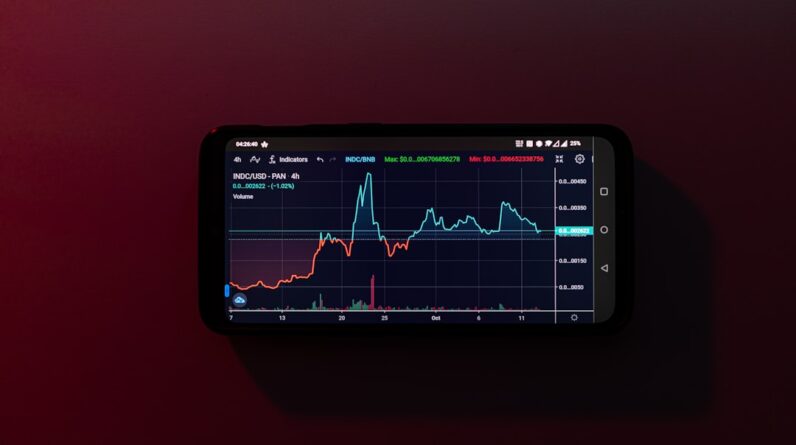
To navigate the volatile world of cryptocurrency successfully, you must stay informed about market trends and developments. Regularly analyzing market data can help you identify patterns and make informed decisions about when to buy or sell your assets. Utilize various tools and platforms that provide real-time data on price movements, trading volumes, and market sentiment.
Websites like CoinMarketCap and TradingView can be invaluable resources for tracking market trends. In addition to quantitative analysis, consider qualitative factors that may influence market movements. News events, regulatory changes, and technological advancements can all impact cryptocurrency prices.
For instance, announcements regarding partnerships or upgrades can lead to price surges, while negative news can trigger sell-offs. By staying attuned to both market data and external influences, you can better position yourself to capitalize on opportunities as they arise.
Developing a Long-term Investment Strategy
Creating a long-term investment strategy is crucial for navigating the often unpredictable nature of cryptocurrency markets. Rather than succumbing to the temptation of making impulsive trades based on short-term price fluctuations, focus on building a well-thought-out plan that aligns with your financial goals. Start by determining how much capital you are willing to invest and how long you intend to hold your assets.
A successful long-term strategy often involves dollar-cost averaging (DCA), where you invest a fixed amount at regular intervals regardless of market conditions. This approach can help mitigate the impact of volatility by spreading out your investments over time. Additionally, consider setting specific targets for profit-taking or loss-cutting to maintain discipline in your trading approach.
By adhering to your long-term strategy, you can avoid emotional decision-making and increase your chances of achieving sustainable growth.
Diversifying Your Crypto Portfolio

Diversification is a key principle in investing that applies equally to cryptocurrency. By spreading your investments across multiple cryptocurrencies rather than concentrating them in one asset, you can reduce risk and enhance potential returns. Each cryptocurrency behaves differently in response to market conditions; thus, diversification allows you to balance out losses in one area with gains in another.
When diversifying your crypto portfolio, consider allocating funds to various categories of cryptocurrencies. For example, you might invest in established coins like Bitcoin and Ethereum while also exploring promising altcoins with innovative technologies or unique use cases. Additionally, consider including stablecoins in your portfolio as a way to hedge against volatility while maintaining liquidity.
By carefully curating a diverse portfolio, you can position yourself for success in an ever-evolving market.
Staying Informed and Updated on Regulatory Changes
The regulatory landscape surrounding cryptocurrency is continually evolving, making it essential for investors like yourself to stay informed about changes that may impact your investments. Governments around the world are grappling with how to regulate digital currencies, leading to varying degrees of acceptance and legal frameworks across different jurisdictions. Understanding these regulations is crucial for ensuring compliance and protecting your investments.
To stay updated on regulatory changes, follow reputable news sources and industry publications that cover cryptocurrency developments. Engaging with online communities and forums can also provide valuable insights into emerging trends and potential regulatory shifts. By remaining vigilant about regulatory updates, you can adapt your investment strategy accordingly and mitigate risks associated with sudden changes in the legal environment.
Seeking Professional Advice and Guidance
While self-education is vital in the world of cryptocurrency investing, seeking professional advice can provide additional insights and guidance tailored to your specific situation. Financial advisors with expertise in cryptocurrencies can help you navigate complex investment decisions and develop strategies aligned with your financial goals. They can also assist in assessing risk tolerance and creating a diversified portfolio that suits your needs.
When choosing a financial advisor or consultant, look for individuals with a proven track record in cryptocurrency investments. Verify their credentials and experience in the field before entrusting them with your financial decisions. Remember that while professional guidance can be beneficial, it is essential to remain actively involved in your investment journey.
By combining expert advice with your research and analysis, you can make informed decisions that enhance your chances of success in the dynamic world of cryptocurrency investing.
FAQs
What is cryptocurrency?
Cryptocurrency is a digital or virtual form of currency that uses cryptography for security and operates independently of a central bank. It is decentralized and typically operates on a technology called blockchain.
How do I invest in cryptocurrency for the first time?
To invest in cryptocurrency for the first time, you will need to open an account with a cryptocurrency exchange, deposit funds, and then use those funds to purchase the cryptocurrency of your choice.
What are some popular cryptocurrencies to invest in?
Some popular cryptocurrencies to consider investing in include Bitcoin, Ethereum, Ripple, Litecoin, and Cardano. It’s important to research each cryptocurrency and understand its potential before investing.
What are the risks of investing in cryptocurrency?
Investing in cryptocurrency comes with risks such as price volatility, security risks, and regulatory uncertainty. It’s important to only invest what you can afford to lose and to do thorough research before investing.
Should I use a hardware wallet to store my cryptocurrency?
Using a hardware wallet is generally considered a more secure way to store your cryptocurrency compared to keeping it on an exchange. Hardware wallets store your cryptocurrency offline, making them less vulnerable to hacking.
What are some tips for first-time cryptocurrency investors?
Some tips for first-time cryptocurrency investors include doing thorough research, diversifying your investments, staying updated on market trends, and being cautious of scams and fraudulent schemes. It’s also important to only invest what you can afford to lose.