As you embark on your journey into the world of cryptocurrency, it’s essential to grasp the fundamental concepts surrounding cryptocurrency exchanges. These platforms serve as the marketplace where you can buy, sell, and trade various cryptocurrencies. Think of them as the digital equivalent of stock exchanges, where assets are exchanged based on market demand and supply.
The primary function of these exchanges is to facilitate transactions between buyers and sellers, allowing you to convert your fiat currency into digital assets and vice versa. There are two main types of exchanges: centralized and decentralized. Centralized exchanges, like Coinbase and Binance, act as intermediaries that manage transactions and hold your funds.
They offer user-friendly interfaces and a wide range of trading options, making them ideal for beginners. On the other hand, decentralized exchanges (DEXs) like Uniswap and SushiSwap operate without a central authority, allowing you to trade directly from your wallet. While DEXs provide greater privacy and control over your funds, they can be more complex to navigate.
Understanding these differences will help you choose the right platform for your trading needs.
Key Takeaways
- Cryptocurrency exchanges are platforms where you can buy, sell, and trade digital currencies.
- To start trading on a cryptocurrency exchange, you need to create an account and verify your identity by providing personal information and documents.
- Depositing and withdrawing funds on a cryptocurrency exchange can be done through various methods such as bank transfers, credit/debit cards, and cryptocurrency transfers.
- When choosing the right cryptocurrency to trade, consider factors such as market trends, project fundamentals, and your own investment goals.
- Placing a buy or sell order on a cryptocurrency exchange involves specifying the amount and price at which you want to execute the trade.
- Market orders are executed immediately at the current market price, while limit orders allow you to set a specific price at which you want to buy or sell a cryptocurrency.
- Utilize additional features and tools offered by cryptocurrency exchanges, such as stop-loss orders, margin trading, and chart analysis, to enhance your trading experience.
- Secure your funds on a cryptocurrency exchange by enabling two-factor authentication, using strong passwords, and being cautious of phishing attempts and scams.
Creating an Account and Verifying Your Identity
Verification Process
However, due to regulatory requirements, most exchanges will also require you to verify your identity before you can start trading. This verification process is crucial for ensuring the security of the platform and preventing fraudulent activities.
Required Information
To verify your identity, you will usually need to submit personal information such as your full name, date of birth, and address. Additionally, you may be asked to upload a government-issued ID or a utility bill as proof of residence.
Account Activation
While this process may seem tedious, it is designed to protect both you and the exchange from potential scams or illegal activities. Once your identity is verified, you’ll receive confirmation via email, allowing you to access all the features of the exchange and start trading.
Depositing and Withdrawing Funds

With your account set up and verified, you can now deposit funds into your exchange account. Most platforms offer several methods for depositing money, including bank transfers, credit or debit cards, and even other cryptocurrencies. Each method has its own processing times and fees, so it’s wise to choose one that aligns with your trading strategy.
For instance, bank transfers may take longer but often incur lower fees compared to credit card transactions. When it comes time to withdraw your funds, the process is similarly straightforward but requires careful attention. You’ll need to specify the amount you wish to withdraw and select your preferred withdrawal method.
Keep in mind that withdrawal times can vary significantly depending on the method chosen; bank transfers may take several days, while cryptocurrency withdrawals are usually processed much faster. Always double-check the withdrawal address if you’re sending cryptocurrencies to ensure that your funds reach the correct destination.
Choosing the Right Cryptocurrency to Trade
As you delve deeper into cryptocurrency trading, one of the most critical decisions you’ll face is selecting which cryptocurrencies to trade. With thousands of options available, it can be overwhelming to determine which ones are worth your investment. Start by researching popular cryptocurrencies like Bitcoin (BTC) and Ethereum (ETH), as they tend to have higher liquidity and more established market presence.
These assets often serve as a benchmark for the overall market performance. However, don’t overlook lesser-known altcoins that may present unique opportunities for growth. Conduct thorough research on their use cases, technology, and market trends before making any decisions.
Consider factors such as market capitalization, trading volume, and historical price movements to gauge their potential for profitability. Diversifying your portfolio by investing in a mix of established coins and promising newcomers can help mitigate risks while maximizing potential returns.
Placing a Buy or Sell Order
Once you’ve chosen the cryptocurrencies you’d like to trade, it’s time to place your buy or sell orders on the exchange. This process is relatively straightforward; simply navigate to the trading section of the platform and select the cryptocurrency pair you wish to trade. For example, if you’re looking to buy Bitcoin with US dollars, you would select the BTC/USD pair.
When placing a buy order, you’ll need to specify the amount of cryptocurrency you want to purchase and the price at which you’re willing to buy it. Conversely, if you’re selling, you’ll indicate how much of the cryptocurrency you want to sell and at what price. After confirming your order details, simply click “Submit” or “Place Order.” Your order will then be executed based on current market conditions or held until your specified price is reached.
Understanding Market Orders and Limit Orders

In cryptocurrency trading, understanding the difference between market orders and limit orders is crucial for effective trading strategies. A market order is executed immediately at the current market price, ensuring that your trade goes through quickly but without control over the exact price at which it will be executed. This type of order is ideal when you want to enter or exit a position swiftly, especially in a volatile market.
On the other hand, a limit order allows you to set a specific price at which you’re willing to buy or sell a cryptocurrency. This means that your order will only be executed if the market reaches your desired price point. While limit orders provide greater control over your trades, they may not be filled immediately or at all if the market doesn’t reach your specified price.
Understanding when to use each type of order can significantly impact your trading success.
Utilizing Additional Features and Tools
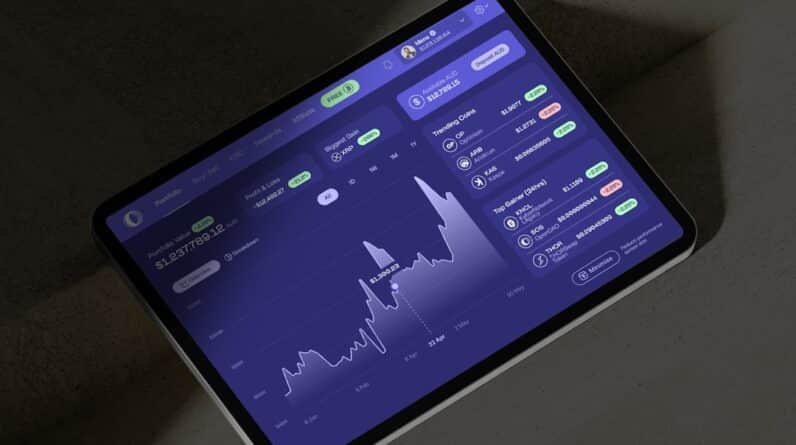
Many cryptocurrency exchanges offer additional features and tools that can enhance your trading experience. For instance, some platforms provide advanced charting tools that allow you to analyze price trends and patterns over time. These tools can help you make informed decisions based on technical analysis rather than relying solely on market sentiment.
Additionally, consider utilizing features such as stop-loss orders or take-profit orders to manage risk effectively. A stop-loss order automatically sells your cryptocurrency when it reaches a certain price point, helping you minimize losses in case of sudden market downturns. Conversely, a take-profit order locks in profits by selling your asset once it reaches a predetermined price level.
Familiarizing yourself with these tools can empower you to trade more strategically and confidently.
Securing Your Funds and Practicing Safe Trading Practices
As you navigate the world of cryptocurrency trading, prioritizing security is paramount. The decentralized nature of cryptocurrencies makes them susceptible to hacking and fraud if proper precautions aren’t taken. Start by enabling two-factor authentication (2FA) on your exchange account for an added layer of security.
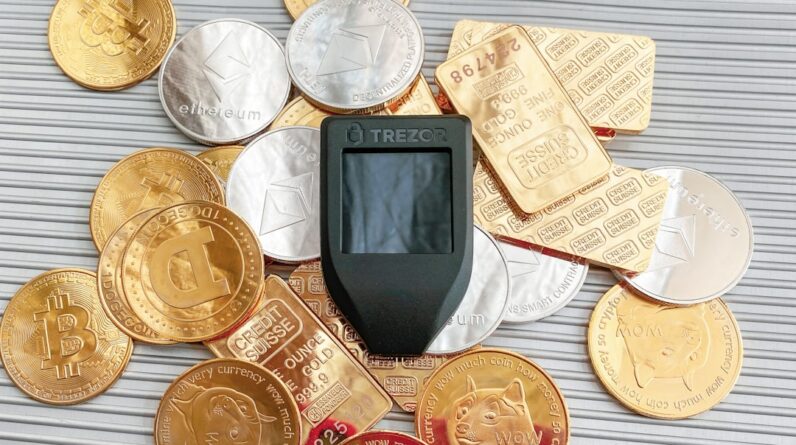
This feature requires not only your password but also a verification code sent to your mobile device before granting access. Furthermore, consider storing your cryptocurrencies in a secure wallet rather than leaving them on the exchange itself. Hardware wallets offer offline storage options that are less vulnerable to cyberattacks compared to online wallets provided by exchanges.
Always remain vigilant about phishing attempts and suspicious links that could compromise your account security. By adopting safe trading practices and staying informed about potential risks, you can protect your investments while enjoying the exciting world of cryptocurrency trading.
FAQs
What is a cryptocurrency exchange?
A cryptocurrency exchange is a platform that allows users to buy, sell, and trade cryptocurrencies. It acts as an intermediary between buyers and sellers, providing a marketplace for digital assets.
How do I sign up for a cryptocurrency exchange?
To sign up for a cryptocurrency exchange, you will typically need to provide personal information, such as your name, email address, and a form of identification. Some exchanges may also require additional verification steps, such as providing a photo of your ID or proof of address.
How do I deposit funds into a cryptocurrency exchange?
You can deposit funds into a cryptocurrency exchange by linking your bank account or credit/debit card to the exchange and transferring funds. Some exchanges also accept deposits in the form of other cryptocurrencies.
How do I buy and sell cryptocurrencies on a cryptocurrency exchange?
To buy and sell cryptocurrencies on a cryptocurrency exchange, you can place market orders, limit orders, or stop orders. A market order will execute immediately at the current market price, while a limit order allows you to set a specific price at which you want to buy or sell. A stop order is used to trigger a market order once a certain price is reached.
How do I withdraw funds from a cryptocurrency exchange?
You can withdraw funds from a cryptocurrency exchange by transferring them to your linked bank account or by withdrawing in the form of another cryptocurrency. Some exchanges may have withdrawal limits or fees, so it’s important to review their policies before making a withdrawal.