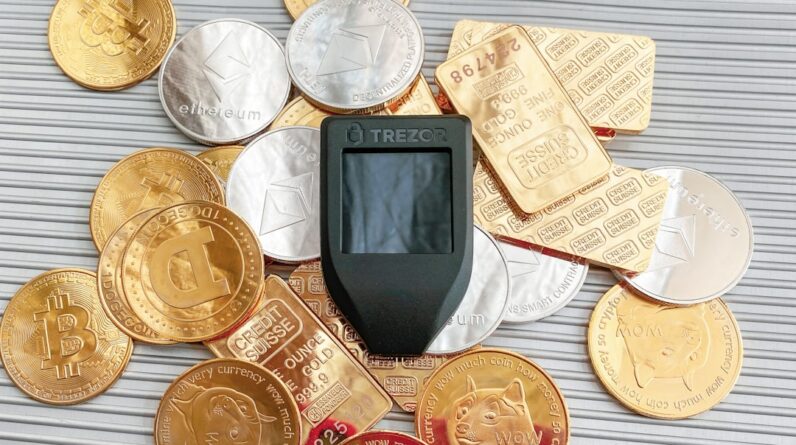
In recent years, the world of finance has witnessed a seismic shift with the emergence of crypto assets. These digital currencies, such as Bitcoin, Ethereum, and countless altcoins, have transformed the way individuals perceive and manage wealth. As you delve into the realm of crypto assets, it’s essential to grasp their fundamental characteristics.
Unlike traditional currencies, cryptocurrencies operate on decentralized networks, utilizing blockchain technology to ensure transparency and security. This innovative approach not only allows for peer-to-peer transactions but also eliminates the need for intermediaries like banks, giving you greater control over your financial assets. As you explore the intricacies of crypto assets, you may find that they come in various forms, including cryptocurrencies, tokens, and stablecoins.
Each type serves a unique purpose within the digital economy. Cryptocurrencies are primarily used as a medium of exchange or a store of value, while tokens can represent assets or utilities within specific platforms. Stablecoins, on the other hand, are pegged to traditional currencies or commodities to minimize volatility.
Understanding these distinctions is crucial as you navigate the complexities of crypto investments and consider how they fit into your overall financial strategy.
Key Takeaways
- Crypto assets are digital or virtual currencies that use cryptography for security and operate independently of a central bank.
- Inheritance planning for crypto assets is crucial to ensure that your digital wealth is passed on to your loved ones in the event of your death.
- Creating a crypto inheritance plan involves identifying and documenting all crypto assets, including wallets and private keys, and outlining how they should be distributed.
- Choosing a trusted executor who is knowledgeable about crypto assets and can carry out your wishes is essential for a successful inheritance plan.
- Securing access to crypto wallets and keys through secure storage and sharing important information with trusted individuals is vital for the protection of your assets.
Importance of Inheritance Planning for Crypto Assets
As you accumulate wealth in the form of crypto assets, it becomes increasingly important to consider how these digital holdings will be managed after your passing. Inheritance planning for crypto assets is not just a matter of ensuring that your loved ones receive their rightful share; it also involves addressing the unique challenges posed by digital currencies. Unlike traditional assets, crypto holdings require specific knowledge and access to digital wallets and private keys.
Without proper planning, your family may face significant hurdles in accessing and managing these assets when you are no longer around. Moreover, the volatile nature of cryptocurrencies adds another layer of complexity to inheritance planning. The value of your crypto assets can fluctuate dramatically in a short period, making it essential to have a clear plan in place that accounts for potential changes in value.
By proactively addressing these issues, you can help ensure that your loved ones are not left in a difficult position during an already challenging time. Establishing a comprehensive inheritance plan for your crypto assets can provide peace of mind, knowing that your digital legacy will be preserved and passed on according to your wishes.
Creating a Crypto Inheritance Plan

Creating a crypto inheritance plan involves several key steps that require careful consideration and organization. First and foremost, you need to document all your crypto holdings, including the types of assets you own, their current values, and where they are stored. This inventory should include details about your wallets, exchanges, and any other platforms where your assets reside.
By compiling this information in one place, you can make it easier for your heirs to locate and manage your crypto assets after your passing. Next, you should outline your wishes regarding the distribution of your crypto assets. This may involve specifying which family members or beneficiaries will receive particular holdings or establishing a trust to manage the distribution process.
It’s also wise to consider any potential tax implications that may arise from transferring these assets. Consulting with a financial advisor or estate planning attorney who understands the nuances of crypto inheritance can help you navigate these complexities and create a plan that aligns with your goals.
Choosing a Trusted Executor
Selecting a trusted executor is a critical component of your crypto inheritance plan. This individual will be responsible for managing your estate and ensuring that your wishes are carried out after your death. When choosing an executor for your crypto assets, it’s essential to consider their level of knowledge and comfort with digital currencies.
Ideally, this person should have a solid understanding of how cryptocurrencies work and be capable of navigating the technical aspects involved in accessing and managing these assets. In addition to technical expertise, trustworthiness is paramount when selecting an executor. You want someone who will act in your best interests and those of your beneficiaries.
This person will have access to sensitive information, including private keys and wallet passwords, so it’s crucial to choose someone who is responsible and reliable. Open communication with your chosen executor about your wishes and expectations can help ensure that they are prepared to fulfill their role effectively when the time comes.
Securing Access to Crypto Wallets and Keys
One of the most critical aspects of managing your crypto inheritance plan is ensuring that access to your wallets and private keys is secure yet accessible to your designated beneficiaries. Unlike traditional bank accounts, which can often be accessed through legal documentation, crypto wallets require specific keys or passwords for access. If these keys are lost or inaccessible at the time of your passing, your loved ones may find themselves unable to retrieve valuable assets.
To prevent this scenario, consider using a secure method for sharing access information with trusted individuals. This could involve creating a secure document that outlines how to access your wallets and includes necessary passwords or keys. You might also explore using password managers that offer secure sharing features or even consider storing this information in a safe deposit box or with an attorney specializing in estate planning.
The goal is to strike a balance between security and accessibility so that your beneficiaries can easily access their inheritance without compromising the safety of your digital assets.
Legal and Tax Implications of Crypto Inheritance

Understanding Legal and Tax Implications
As you navigate the complexities of crypto inheritance planning, it’s essential to understand the legal and tax implications associated with transferring digital assets. The regulatory landscape surrounding cryptocurrencies is still evolving, and different jurisdictions may have varying rules regarding inheritance taxes and asset transfers. Consulting with a legal expert who specializes in cryptocurrency can help you gain clarity on how these laws apply to your situation.
Tax Obligations for Beneficiaries
In many cases, inheriting crypto assets may trigger tax obligations for your beneficiaries. Depending on the value of the assets at the time of transfer, they may be subject to capital gains taxes when they eventually sell or exchange those holdings.
Structuring an Effective Inheritance Plan
Understanding these potential tax implications can help you structure your inheritance plan more effectively and prepare your loved ones for any financial responsibilities they may face upon receiving their inheritance.
Communicating Your Crypto Inheritance Plan with Loved Ones
Once you have established a comprehensive crypto inheritance plan, it’s crucial to communicate this information with your loved ones. Open discussions about your plans can help alleviate confusion or misunderstandings down the line. By sharing details about your crypto holdings, the executor you’ve chosen, and how you envision the distribution process unfolding, you can ensure that everyone is on the same page.
Moreover, educating your family members about cryptocurrencies can empower them to make informed decisions regarding their inheritance. Many people may still be unfamiliar with digital currencies and how they function; taking the time to explain these concepts can foster greater understanding and appreciation for the value of what they will inherit. This proactive approach not only strengthens family bonds but also helps ensure that your wishes are honored when the time comes.
Regularly Reviewing and Updating Your Crypto Inheritance Plan
Creating a crypto inheritance plan is not a one-time task; it requires ongoing attention and periodic updates as circumstances change. The world of cryptocurrencies is dynamic, with new developments occurring regularly that could impact the value or structure of your holdings. Additionally, personal circumstances such as changes in family dynamics or financial situations may necessitate adjustments to your plan.
To keep your inheritance plan relevant and effective, set aside time at least once a year to review its contents. During this review process, assess whether any new assets have been acquired or if existing holdings have changed significantly in value. You should also evaluate whether your chosen executor remains suitable for the role or if any updates are needed regarding access information for wallets and keys.
By staying proactive about these updates, you can ensure that your crypto inheritance plan remains aligned with your wishes and provides clarity for your loved ones when they need it most. In conclusion, navigating the world of crypto assets requires careful consideration and planning, especially when it comes to inheritance matters. By understanding the unique characteristics of these digital currencies and taking proactive steps to create a comprehensive inheritance plan, you can ensure that your wealth is preserved for future generations while minimizing potential complications for your loved ones.
FAQs
What is a crypto inheritance plan?
A crypto inheritance plan is a strategy for passing on digital assets, such as cryptocurrency, to beneficiaries in the event of the owner’s death or incapacitation.
How do crypto inheritance plans work?
Crypto inheritance plans typically involve the use of digital wallets, private keys, and instructions for accessing and transferring the digital assets to designated heirs or beneficiaries.
What are the key components of a crypto inheritance plan?
Key components of a crypto inheritance plan may include a secure method for storing private keys, detailed instructions for accessing digital assets, and legal documentation outlining the intended beneficiaries.
Why are crypto inheritance plans important?
Crypto inheritance plans are important because they ensure that digital assets are passed on to intended beneficiaries in a secure and efficient manner, avoiding potential loss or disputes over inheritance.
What are some common methods for creating a crypto inheritance plan?
Common methods for creating a crypto inheritance plan include using multi-signature wallets, creating a detailed list of digital assets and their access information, and working with legal professionals to incorporate digital assets into traditional estate planning documents.