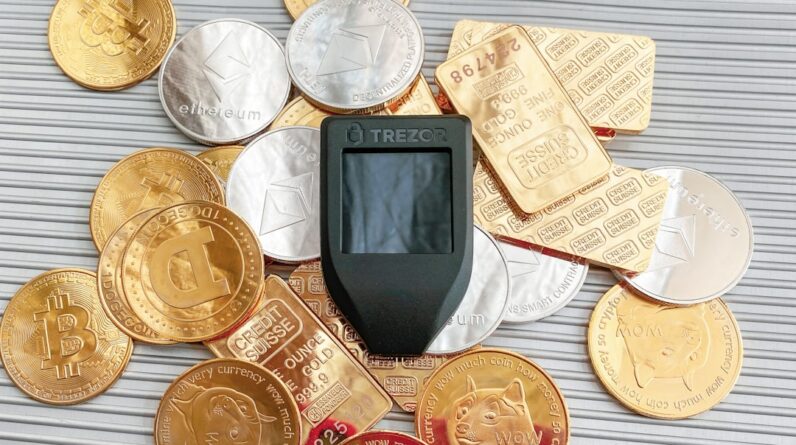
As you embark on your journey into the world of cryptocurrency investing, it’s essential to grasp the fundamental concepts that underpin this digital asset class. Cryptocurrency is a form of digital or virtual currency that uses cryptography for security, making it difficult to counterfeit. Unlike traditional currencies issued by governments, cryptocurrencies operate on decentralized networks based on blockchain technology.
This decentralized nature means that no single entity controls the currency, which can provide a sense of security and autonomy for investors like you. Investing in cryptocurrency can be both exciting and daunting. The market is known for its volatility, with prices capable of soaring or plummeting within short time frames.
Understanding the basics involves familiarizing yourself with key terms such as blockchain, altcoins, and market capitalization. You should also be aware of the different types of cryptocurrencies available, from well-known options like Bitcoin and Ethereum to countless altcoins that may offer unique features or use cases. By building a solid foundation of knowledge, you can make informed decisions that align with your investment goals.
Key Takeaways
- Cryptocurrency investing involves understanding the basics of blockchain technology and the different types of cryptocurrencies available in the market.
- When choosing the right cryptocurrency to invest in, it’s important to consider factors such as the project’s whitepaper, team, technology, and community support.
- Setting up a secure wallet for storing cryptocurrency is crucial to protect your investment from potential security threats and hacks.
- Researching and analyzing cryptocurrency trends and market conditions can help investors make informed decisions and identify potential investment opportunities.
- Managing risks and setting realistic expectations is essential for first-time crypto investors to avoid potential losses and disappointment.
Choosing the Right Cryptocurrency to Invest In
When it comes to selecting the right cryptocurrency for your investment portfolio, you have a plethora of options at your fingertips. The first step is to conduct thorough research on various cryptocurrencies. Look into their use cases, the technology behind them, and the teams that developed them.
For instance, Bitcoin is often viewed as a store of value, while Ethereum is recognized for its smart contract capabilities. Understanding these distinctions can help you identify which cryptocurrencies resonate with your investment philosophy. Additionally, consider the market trends and community support surrounding each cryptocurrency.
A strong community can indicate a healthy ecosystem and potential for growth. You might also want to analyze historical price movements and market capitalization to gauge stability and potential returns. Remember that diversification is key; investing in a mix of established cryptocurrencies and promising newcomers can help mitigate risks while maximizing potential gains.
Setting Up a Secure Wallet for Storing Cryptocurrency

Once you’ve decided on which cryptocurrencies to invest in, the next crucial step is setting up a secure wallet for storing your digital assets. Unlike traditional bank accounts, cryptocurrency wallets come in various forms, including hardware wallets, software wallets, and even paper wallets. Each type has its own advantages and disadvantages, so it’s important to choose one that aligns with your security needs and investment strategy.
Hardware wallets are often considered the most secure option, as they store your private keys offline, making them less susceptible to hacking attempts. On the other hand, software wallets offer convenience and ease of access but may expose you to online threats. Regardless of the type you choose, ensure that you follow best practices for securing your wallet, such as enabling two-factor authentication and regularly updating your software.
By taking these precautions, you can safeguard your investments against potential risks.
Researching and Analyzing Cryptocurrency Trends and Market
To navigate the ever-changing landscape of cryptocurrency investing effectively, you must stay informed about market trends and developments. This involves regularly monitoring news sources, social media platforms, and cryptocurrency forums where discussions about emerging trends take place. By keeping your finger on the pulse of the market, you can identify potential opportunities and make timely investment decisions.
In addition to following news updates, consider utilizing analytical tools that provide insights into market performance. These tools can help you track price movements, trading volumes, and market sentiment. Understanding technical analysis can also be beneficial; it involves studying historical price charts to identify patterns that may indicate future price movements.
By combining qualitative research with quantitative analysis, you can develop a well-rounded perspective on the market and make informed investment choices.
Managing Risks and Setting Realistic Expectations
Investing in cryptocurrency comes with inherent risks, and managing those risks is crucial for long-term success. One effective strategy is to set realistic expectations regarding potential returns. While stories of overnight millionaires abound in the crypto space, it’s essential to approach your investments with a level-headed mindset.
Establishing clear goals and timelines can help you stay focused and avoid impulsive decisions driven by market hype. Diversification is another key component of risk management. By spreading your investments across different cryptocurrencies and asset classes, you can reduce the impact of any single asset’s poor performance on your overall portfolio.
Additionally, consider setting stop-loss orders to limit potential losses if a particular investment doesn’t perform as expected. By implementing these strategies, you can navigate the volatile nature of cryptocurrency investing with greater confidence.
Tax Implications and Reporting for Cryptocurrency Investments

As you engage in cryptocurrency investing, it’s vital to understand the tax implications associated with your transactions. In many jurisdictions, cryptocurrencies are treated as property for tax purposes, meaning that capital gains tax may apply when you sell or trade your digital assets. Familiarizing yourself with local tax regulations is essential to ensure compliance and avoid potential penalties.
When reporting your cryptocurrency transactions, keep detailed records of your purchases, sales, and trades. This documentation will be invaluable when calculating your capital gains or losses at tax time. Some investors choose to use specialized software designed to track cryptocurrency transactions and generate tax reports automatically.
By staying organized and informed about tax obligations, you can navigate this aspect of investing without unnecessary stress.
Seeking Professional Advice and Guidance
While self-education is crucial in cryptocurrency investing, seeking professional advice can provide additional insights and guidance tailored to your specific situation. Financial advisors with experience in cryptocurrencies can help you develop a personalized investment strategy that aligns with your financial goals and risk tolerance. They can also assist in navigating complex tax implications and regulatory considerations.
When choosing a financial advisor, look for someone who understands the nuances of cryptocurrency markets and has a proven track record in this space. Engaging with professionals can enhance your understanding of investment strategies while providing peace of mind as you navigate this dynamic landscape.
Tips for Avoiding Common Pitfalls for First-time Crypto Investors
As a first-time crypto investor, it’s essential to be aware of common pitfalls that could hinder your success. One prevalent mistake is succumbing to FOMO (fear of missing out) during market rallies. It’s easy to get swept up in the excitement when prices are soaring; however, making impulsive decisions based on emotions can lead to significant losses.
Instead, stick to your research and investment strategy. Another common pitfall is neglecting security measures for your digital assets. Many new investors underestimate the importance of safeguarding their wallets and private keys.
Always prioritize security by using reputable wallets and enabling two-factor authentication wherever possible. Additionally, be cautious about sharing information online; scams targeting crypto investors are prevalent. By arming yourself with knowledge and being mindful of these pitfalls, you can navigate the world of cryptocurrency investing more effectively.
Remember that patience and diligence are key components of successful investing; by taking the time to educate yourself and make informed decisions, you’ll be better positioned to achieve your financial goals in this exciting yet unpredictable market.
FAQs
What is cryptocurrency?
Cryptocurrency is a digital or virtual form of currency that uses cryptography for security and operates independently of a central bank.
How do I invest in cryptocurrency for the first time?
To invest in cryptocurrency for the first time, you will need to open an account with a cryptocurrency exchange, purchase the cryptocurrency of your choice using fiat currency, and then store it in a digital wallet.
What are the risks of investing in cryptocurrency?
The risks of investing in cryptocurrency include price volatility, security concerns, regulatory uncertainty, and the potential for fraud or hacking.
What are the most popular cryptocurrencies for first-time investors?
Some of the most popular cryptocurrencies for first-time investors include Bitcoin, Ethereum, Ripple, Litecoin, and Bitcoin Cash.
How can I keep my cryptocurrency investment secure?
To keep your cryptocurrency investment secure, it is important to use a reputable cryptocurrency exchange, enable two-factor authentication, and store your cryptocurrency in a secure digital wallet.
What are the tax implications of investing in cryptocurrency?
The tax implications of investing in cryptocurrency vary by country, but in general, cryptocurrency investments are subject to capital gains tax when sold or exchanged for fiat currency. It is important to consult with a tax professional for specific guidance.