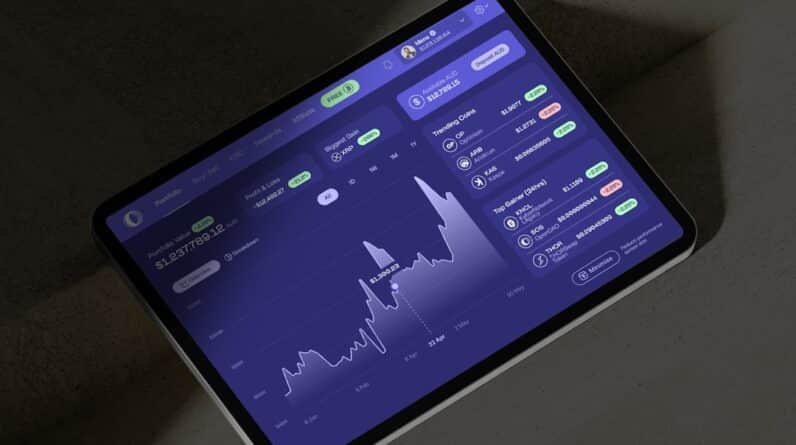
In recent years, the world of finance has witnessed a significant transformation with the advent of cryptocurrencies. Among the various innovations that have emerged, crypto loans stand out as a compelling option for individuals seeking liquidity without the need to liquidate their digital assets. You may find yourself intrigued by the concept of borrowing against your cryptocurrency holdings, allowing you to access cash while still retaining ownership of your assets.
This innovative financial product has gained traction, particularly among crypto enthusiasts who wish to leverage their investments without incurring tax liabilities or missing out on potential market gains. Crypto loans operate on a decentralized model, often facilitated by blockchain technology and smart contracts. This means that traditional intermediaries, such as banks, are not necessary for the lending process.
Instead, you can engage directly with lenders or platforms that specialize in crypto lending. The process is typically straightforward: you deposit your cryptocurrency as collateral and receive a loan in fiat currency or stablecoins. This arrangement not only provides you with immediate access to funds but also allows you to maintain your investment in a volatile market.
However, as with any financial product, it is essential to understand both the risks and benefits associated with crypto loans before diving in.
Key Takeaways
- Crypto loans allow individuals to borrow against their cryptocurrency holdings without needing to sell their assets.
- Risks associated with crypto loans include the potential for margin calls, liquidation of collateral, and the loss of assets due to market volatility.
- Benefits of crypto loans include the ability to access liquidity without selling assets, potential tax advantages, and the opportunity to leverage investment positions.
- Volatility and market risk in the crypto space can lead to significant fluctuations in the value of collateral, impacting the terms of the loan.
- Security and custody risks in the crypto lending space include the potential for hacking, theft, and the loss of assets due to inadequate security measures.
Risks Associated with Crypto Loans
While crypto loans offer an exciting opportunity for liquidity, they are not without their risks. One of the primary concerns you should consider is the volatility of cryptocurrency prices. The value of your collateral can fluctuate dramatically within a short period, which may lead to margin calls or liquidation of your assets if the value drops below a certain threshold.
This means that if the market takes a downturn, you could lose your collateral even if you are making timely loan repayments. Understanding this risk is crucial, as it can significantly impact your financial situation. Another risk to be aware of is the potential for scams and fraud within the crypto lending space.
The decentralized nature of cryptocurrencies can attract malicious actors looking to exploit unsuspecting borrowers. You must conduct thorough research on any platform or lender you choose to work with, ensuring they have a solid reputation and positive user reviews. Additionally, be cautious of offers that seem too good to be true; high returns or low-interest rates may come with hidden fees or unfavorable terms that could jeopardize your investment.
Benefits of Crypto Loans

Despite the risks, crypto loans present several advantages that make them an attractive option for many borrowers. One of the most significant benefits is the ability to access liquidity without selling your cryptocurrency holdings. If you believe in the long-term potential of your assets, borrowing against them allows you to take advantage of immediate financial needs while still participating in potential market gains.
This strategy can be particularly beneficial during times of market volatility when selling your assets could result in losses. Additionally, crypto loans often come with fewer barriers to entry compared to traditional loans. You may find that many platforms do not require extensive credit checks or lengthy application processes, making it easier for you to secure funding quickly.
This accessibility can be especially appealing for individuals who may not have a strong credit history or those who prefer a more streamlined borrowing experience. Furthermore, the decentralized nature of these loans can provide you with greater control over your financial decisions, allowing you to tailor your borrowing experience to suit your unique needs.
Volatility and Market Risk
One of the most significant challenges associated with crypto loans is the inherent volatility of the cryptocurrency market. As a borrower, you must be prepared for the possibility that the value of your collateral could decrease significantly during the loan term. This volatility can lead to margin calls, where lenders require you to add more collateral to maintain your loan position.
If you are unable to meet these demands, your collateral may be liquidated at a loss, leaving you without both your assets and the borrowed funds. To mitigate this risk, it is essential to monitor market trends and stay informed about the performance of your collateral. You may want to consider borrowing only a portion of your total asset value to create a buffer against sudden price drops.
Additionally, diversifying your collateral by using multiple cryptocurrencies can help spread risk and reduce the likelihood of liquidation due to a single asset’s poor performance. By taking these precautions, you can better navigate the volatile landscape of crypto loans while minimizing potential losses.
Security and Custody Risks
Security is another critical concern when it comes to crypto loans. The decentralized nature of cryptocurrencies means that you are responsible for safeguarding your assets. If you choose to use a lending platform, you must trust that they have robust security measures in place to protect your collateral from hacks or breaches.
Unfortunately, there have been numerous instances where lending platforms have fallen victim to cyberattacks, resulting in significant losses for borrowers. To protect yourself from security risks, consider using platforms that offer insurance coverage for digital assets or those that employ multi-signature wallets for added security. Additionally, always enable two-factor authentication on your accounts and be cautious about sharing sensitive information online.
By taking these steps, you can enhance the security of your assets and reduce the likelihood of falling victim to theft or fraud.
Regulatory and Legal Risks

The regulatory landscape surrounding cryptocurrencies and crypto loans is still evolving, which presents another layer of risk for borrowers like yourself. Different countries have varying regulations regarding digital assets, and these laws can change rapidly. As a result, you may find yourself navigating a complex legal environment that could impact your ability to borrow or repay loans.
For instance, some jurisdictions may impose strict regulations on lending platforms or require them to obtain licenses before operating legally. If a platform you are using faces regulatory scrutiny or is forced to shut down due to non-compliance, it could jeopardize your loan agreement and access to funds. To mitigate this risk, it is essential to stay informed about the regulatory environment in your region and choose lending platforms that prioritize compliance and transparency.
Interest Rates and Fees
When considering a crypto loan, it is crucial to evaluate the interest rates and fees associated with borrowing. While some platforms may offer competitive rates, others may impose high fees that can significantly impact your overall cost of borrowing. You should carefully read the terms and conditions before committing to any loan agreement, ensuring that you fully understand all associated costs.
Additionally, interest rates on crypto loans can vary based on several factors, including the type of collateral used and the loan-to-value (LTV) ratio. Generally, lower LTV ratios may result in more favorable interest rates since they present less risk to lenders. As a borrower, it is essential to shop around and compare different platforms to find the best rates and terms that align with your financial goals.
Evaluating the Overall Risk and Reward of Crypto Loans
In conclusion, crypto loans present both exciting opportunities and significant risks for borrowers like yourself. While they offer a unique way to access liquidity without selling your digital assets, it is essential to approach this financial product with caution and awareness of potential pitfalls. By understanding the risks associated with volatility, security, regulatory compliance, and costs, you can make informed decisions that align with your financial objectives.
Ultimately, evaluating the overall risk and reward of crypto loans requires careful consideration of your individual circumstances and risk tolerance. If approached thoughtfully, crypto loans can serve as a valuable tool in your financial arsenal, allowing you to leverage your investments while maintaining control over your assets. As you navigate this evolving landscape, staying informed and vigilant will empower you to make sound financial choices in the world of cryptocurrency lending.
FAQs
What are the risks of taking out a crypto loan?
Taking out a crypto loan carries the risk of price volatility in the cryptocurrency market, which could lead to the value of the collateral decreasing below the loan amount. There is also the risk of potential security breaches and hacks on the platform offering the crypto loan.
What are the benefits of taking out a crypto loan?
Some potential benefits of taking out a crypto loan include the ability to access liquidity without selling your cryptocurrency holdings, potential tax advantages, and the opportunity to leverage your crypto assets for other investments or expenses. Additionally, crypto loans may offer faster approval times and lower interest rates compared to traditional loans.