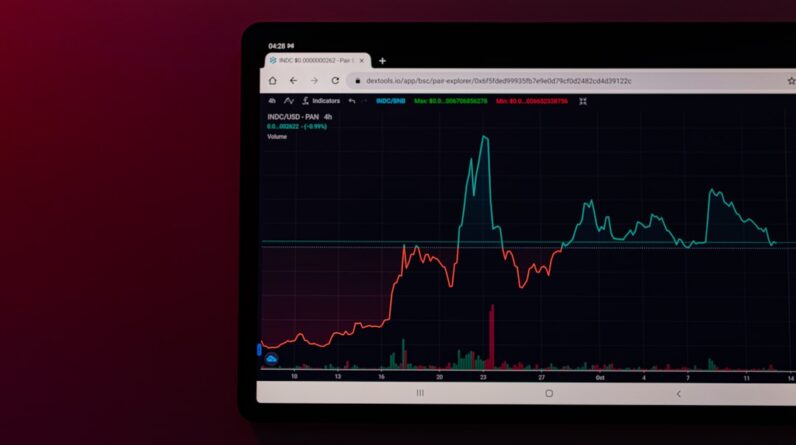
To embark on your journey into the world of cryptocurrency, it is essential to grasp the fundamental concepts that underpin this digital revolution. At its core, cryptocurrency is a form of digital or virtual currency that uses cryptography for security. Unlike traditional currencies issued by governments, cryptocurrencies operate on decentralized networks based on blockchain technology.
This means that transactions are recorded on a public ledger, ensuring transparency and security while eliminating the need for intermediaries like banks. As you delve deeper, you will discover that the most well-known cryptocurrency, Bitcoin, was created in 2009 by an anonymous entity known as Satoshi Nakamoto. Since then, thousands of alternative cryptocurrencies, or altcoins, have emerged, each with unique features and purposes.
Understanding the mechanics of how cryptocurrencies function is crucial for making informed investment decisions. You should familiarize yourself with key terms such as mining, which refers to the process of validating transactions and adding them to the blockchain, and wallets, which are digital tools used to store your cryptocurrencies securely. Additionally, grasping the concept of market capitalization will help you evaluate the relative size and stability of different cryptocurrencies.
As you navigate this complex landscape, remember that knowledge is power; the more you understand about how cryptocurrencies work, the better equipped you will be to make sound investment choices.
Key Takeaways
- Cryptocurrency is a digital or virtual form of currency that uses cryptography for security and operates independently of a central bank.
- When choosing the right cryptocurrency to invest in, consider factors such as the technology behind it, the team involved, and its potential for real-world use.
- Setting up a secure wallet for your cryptocurrency investments is crucial to protect your assets from theft or hacking.
- Strategies for buying and selling cryptocurrency include setting clear investment goals, conducting thorough research, and staying updated on market trends.
- Common investment pitfalls in cryptocurrency include FOMO (fear of missing out), overtrading, and falling for scams; it’s important to be aware of these risks and avoid them.
Choosing the Right Cryptocurrency to Invest In
With thousands of cryptocurrencies available in the market, selecting the right one to invest in can feel overwhelming. Start by conducting thorough research on various cryptocurrencies to understand their underlying technology, use cases, and market potential. Look for projects that solve real-world problems or offer innovative solutions.
For instance, Ethereum is not just a cryptocurrency; it also serves as a platform for decentralized applications (dApps) and smart contracts, making it a strong contender in the market. By focusing on projects with solid fundamentals and a clear vision, you can increase your chances of making a profitable investment. Another critical factor to consider is the community and development team behind a cryptocurrency.
A strong, active community can indicate a healthy project with ongoing support and development. Engage with forums, social media groups, and official channels to gauge the sentiment surrounding a particular cryptocurrency. Additionally, pay attention to the project’s roadmap and milestones; a well-defined plan can signal a commitment to growth and innovation.
Ultimately, your investment choices should align with your risk tolerance and financial goals, so take your time to evaluate each option carefully before committing your funds.
Setting Up a Secure Wallet for Your Investments

Once you’ve chosen the right cryptocurrency to invest in, the next step is to set up a secure wallet to store your digital assets safely. There are several types of wallets available, each with its own advantages and disadvantages. Hardware wallets, such as Ledger or Trezor, are considered one of the safest options as they store your private keys offline, making them less vulnerable to hacking attempts.
If you prefer convenience and accessibility, software wallets—available as mobile apps or desktop applications—can be a suitable choice, but ensure you choose reputable providers with strong security measures. Regardless of the type of wallet you select, it is crucial to implement best practices for securing your investments. Always enable two-factor authentication (2FA) when available and create strong, unique passwords for your accounts.
Additionally, consider backing up your wallet regularly and storing recovery phrases in a secure location. By taking these precautions, you can significantly reduce the risk of losing your investments due to theft or technical failures.
Strategies for Buying and Selling Cryptocurrency
When it comes to buying and selling cryptocurrency, having a well-thought-out strategy can make all the difference in your investment success. One popular approach is dollar-cost averaging (DCA), where you invest a fixed amount of money at regular intervals regardless of market conditions. This strategy helps mitigate the impact of volatility by spreading out your purchases over time, allowing you to buy more when prices are low and less when prices are high.
DCA can be particularly beneficial for beginners who may feel overwhelmed by market fluctuations. On the selling side, it’s essential to establish clear exit strategies before entering any trade. Determine your profit targets and stop-loss levels based on your risk tolerance and market analysis.
For instance, if you set a target price at which you plan to sell a portion of your holdings, stick to that plan rather than getting swayed by emotions during market swings. Additionally, consider using limit orders instead of market orders when selling; this allows you to set specific prices at which you want to execute trades, providing more control over your transactions.
Identifying and Avoiding Common Investment Pitfalls
As you navigate the cryptocurrency landscape, being aware of common investment pitfalls can save you from costly mistakes. One prevalent issue is falling victim to FOMO (fear of missing out), which can lead you to make impulsive decisions based on hype rather than sound analysis. It’s essential to remain disciplined and stick to your investment strategy rather than chasing trends or following the crowd.
Take the time to conduct thorough research and trust your judgment instead of succumbing to emotional pressures. Another common pitfall is neglecting security measures when managing your investments. Many investors have lost significant amounts of money due to hacking incidents or phishing scams.
Always prioritize security by using reputable exchanges and wallets, enabling two-factor authentication, and being cautious about sharing personal information online. By staying vigilant and informed about potential threats, you can protect your investments and minimize risks associated with cryptocurrency trading.
Staying Informed and Keeping Up with Market Trends

In the fast-paced world of cryptocurrency, staying informed about market trends and developments is crucial for making timely investment decisions. Follow reputable news sources, blogs, and social media channels dedicated to cryptocurrency updates. Engaging with communities on platforms like Reddit or Twitter can provide valuable insights into emerging trends and sentiment shifts within the market.
Additionally, consider subscribing to newsletters or podcasts that focus on cryptocurrency analysis; these resources can help you stay ahead of the curve. Moreover, keeping an eye on regulatory changes is essential as governments around the world continue to develop frameworks for cryptocurrency use. Changes in regulations can significantly impact market dynamics and influence investor sentiment.
By staying informed about both technological advancements and regulatory developments, you can position yourself better in this ever-evolving landscape.
Managing and Diversifying Your Crypto Portfolio
As you build your cryptocurrency portfolio, effective management and diversification are key components of long-term success. Avoid putting all your eggs in one basket by investing in a variety of cryptocurrencies across different sectors. This strategy can help mitigate risks associated with individual assets while maximizing potential returns.
For example, consider allocating funds to established cryptocurrencies like Bitcoin or Ethereum while also exploring promising altcoins with innovative use cases. Regularly reviewing and rebalancing your portfolio is equally important. Market conditions can change rapidly in the cryptocurrency space; therefore, it’s essential to assess your holdings periodically and make adjustments as needed based on performance and market trends.
By maintaining a diversified portfolio and staying proactive in managing your investments, you can enhance your chances of achieving your financial goals.
Resources for Further Learning and Support in Crypto Investing
As you continue your journey into cryptocurrency investing, numerous resources are available to help deepen your understanding and provide support along the way. Online courses offered by platforms like Coursera or Udemy can provide structured learning experiences covering various aspects of cryptocurrency trading and blockchain technology. Additionally, consider joining local meetups or online forums where you can connect with other investors and share insights.
Books written by industry experts can also serve as valuable resources for expanding your knowledge base. Titles such as “The Bitcoin Standard” by Saifedean Ammous or “Mastering Bitcoin” by Andreas M. Antonopoulos offer in-depth perspectives on cryptocurrency’s potential impact on finance and society.
By leveraging these resources and engaging with the broader crypto community, you’ll be better equipped to navigate this exciting yet complex investment landscape successfully. In conclusion, entering the world of cryptocurrency investing requires a solid understanding of its fundamentals, careful selection of assets, secure storage practices, strategic trading approaches, awareness of potential pitfalls, ongoing education about market trends, effective portfolio management, and access to reliable resources for support. By following these guidelines and remaining committed to continuous learning, you can enhance your chances of success in this dynamic financial landscape.