
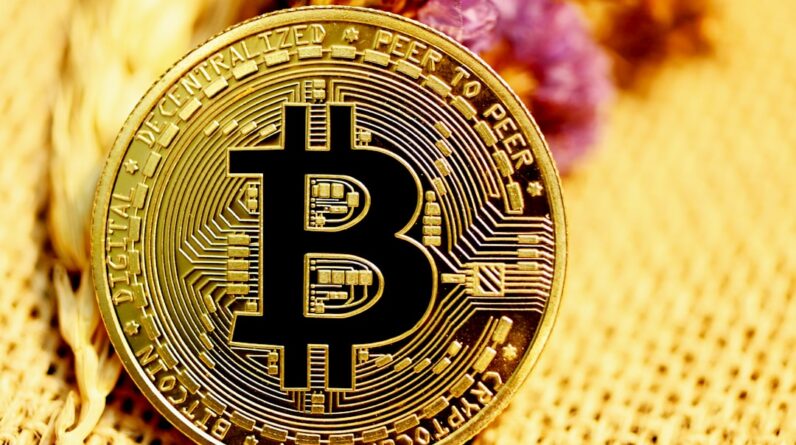
In recent years, you may have noticed a significant shift in how people conduct financial transactions. The rise of peer-to-peer (P2P) transactions has transformed the landscape of commerce, allowing individuals to exchange value directly without the need for intermediaries like banks or payment processors. This evolution has been fueled by advancements in technology and a growing desire for more control over personal finances.
As you explore this phenomenon, you’ll find that P2P transactions offer a level of convenience and efficiency that traditional methods often lack. The appeal of P2P transactions lies in their simplicity and accessibility. With just a smartphone and an internet connection, you can send or receive money from anyone, anywhere in the world.
This democratization of financial transactions has empowered individuals, particularly those in underserved regions where traditional banking services are limited. As you engage with this new paradigm, you may find that it not only streamlines your financial interactions but also fosters a sense of community and trust among users.
Key Takeaways
- Peer-to-peer transactions are on the rise, allowing individuals to directly exchange digital currency without the need for intermediaries.
- Bitcoin is a decentralized digital currency that operates independently of a central authority, providing users with greater control over their finances.
- Blockchain technology plays a crucial role in Bitcoin transactions, serving as a secure and transparent public ledger for recording all transactions.
- Peer-to-peer transactions with Bitcoin offer advantages such as lower fees, faster processing times, and increased privacy compared to traditional banking systems.
- Using Bitcoin for direct transactions comes with challenges and risks, including price volatility, security concerns, and potential regulatory issues.
Understanding Bitcoin: A Decentralized Digital Currency
At the heart of the P2P transaction revolution is Bitcoin, a decentralized digital currency that has captured the imagination of millions. Unlike traditional currencies issued by governments, Bitcoin operates on a peer-to-peer network, allowing users to transact directly with one another. As you delve into the world of Bitcoin, you’ll discover that it was created in 2009 by an anonymous individual or group known as Satoshi Nakamoto, who envisioned a currency free from central authority and manipulation.
Bitcoin’s decentralized nature means that it is not controlled by any single entity, making it resistant to censorship and fraud. This characteristic is particularly appealing to those who value privacy and autonomy in their financial dealings. As you learn more about Bitcoin, you may appreciate how it challenges conventional notions of money and finance, offering an alternative that prioritizes individual empowerment over institutional control.
The Role of Blockchain Technology in Bitcoin Transactions
To fully grasp the significance of Bitcoin, it’s essential to understand the underlying technology that powers it: blockchain. This innovative technology serves as a public ledger that records all Bitcoin transactions in a secure and transparent manner. Each transaction is grouped into blocks, which are then linked together in chronological order to form a chain.
As you explore blockchain technology, you’ll see how it ensures the integrity and security of the Bitcoin network. Blockchain’s decentralized nature eliminates the need for intermediaries, allowing users to verify transactions independently. This not only enhances security but also reduces transaction costs and processing times.
As you engage with Bitcoin, you’ll likely find that blockchain technology is a key factor in its appeal, providing a level of transparency and trust that traditional financial systems often struggle to achieve.
Advantages of Peer-to-Peer Transactions with Bitcoin
One of the most compelling advantages of using Bitcoin for P2P transactions is the speed at which they can be completed. Traditional banking systems often involve lengthy processing times, especially for international transfers. In contrast, Bitcoin transactions can be executed within minutes, regardless of geographical boundaries.
As you consider your own financial needs, this efficiency may be a significant factor in your decision to embrace Bitcoin for direct transactions. Additionally, Bitcoin transactions typically come with lower fees compared to traditional payment methods. Banks and payment processors often charge substantial fees for processing transactions, particularly for cross-border payments.
With Bitcoin, you can bypass these intermediaries and enjoy reduced costs, making it an attractive option for both individuals and businesses. As you navigate the world of P2P transactions, these advantages may encourage you to explore how Bitcoin can enhance your financial interactions.
Challenges and Risks of Using Bitcoin for Direct Transactions
While the benefits of using Bitcoin for P2P transactions are numerous, it’s essential to acknowledge the challenges and risks associated with this digital currency. One significant concern is the volatility of Bitcoin’s price. The value of Bitcoin can fluctuate dramatically within short periods, which may pose risks for users who are not prepared for such changes.
As you consider using Bitcoin for transactions, it’s crucial to stay informed about market trends and be prepared for potential losses. Another challenge is the potential for fraud and scams within the Bitcoin ecosystem. While blockchain technology provides a secure framework for transactions, it does not eliminate the risk of malicious actors attempting to exploit unsuspecting users.
As you engage in P2P transactions with Bitcoin, it’s vital to exercise caution and conduct thorough research before entering into any agreements or exchanges.
The Impact of Bitcoin on Traditional Banking Systems
The rise of Bitcoin and P2P transactions has prompted traditional banking systems to reevaluate their roles in the financial landscape. As more individuals turn to decentralized currencies for their financial needs, banks face increasing pressure to adapt or risk becoming obsolete. You may have noticed that some banks are beginning to explore blockchain technology and digital currencies as a way to remain relevant in this rapidly changing environment.
This shift has led to a growing interest in integrating cryptocurrency services into traditional banking offerings. Some banks are now providing customers with options to buy, sell, and hold cryptocurrencies alongside their conventional accounts. As you observe these developments, you might find it fascinating how traditional institutions are responding to the challenges posed by decentralized currencies like Bitcoin.
Regulatory Issues and Legal Considerations for Bitcoin Transactions
As Bitcoin continues to gain traction, regulatory bodies around the world are grappling with how to approach this new financial landscape. The decentralized nature of Bitcoin presents unique challenges for regulators who seek to establish guidelines that protect consumers while fostering innovation. You may find it interesting to explore how different countries are responding to these challenges, with some embracing cryptocurrencies while others impose strict regulations or outright bans.
Legal considerations surrounding Bitcoin transactions can also be complex. Issues such as taxation, anti-money laundering (AML) compliance, and consumer protection are all areas that require careful navigation. As you engage in P2P transactions with Bitcoin, it’s essential to stay informed about the legal landscape in your jurisdiction to ensure compliance and avoid potential pitfalls.
The Future of Peer-to-Peer Transactions: Innovations and Developments
Looking ahead, the future of P2P transactions with Bitcoin appears promising as innovations continue to emerge within the cryptocurrency space. You may be excited to learn about developments such as the Lightning Network, which aims to enhance transaction speed and scalability by enabling off-chain transactions. This technology could significantly improve the user experience by allowing for instant payments while reducing fees.
Moreover, as more businesses begin to accept Bitcoin as a form of payment, you might find that integrating cryptocurrency into everyday transactions becomes increasingly seamless. The potential for smart contracts—self-executing contracts with the terms directly written into code—could further revolutionize how P2P transactions are conducted. As these innovations unfold, you’ll likely witness a transformation in how individuals interact with money and value.
Bitcoin and the Global Economy: Implications for International Trade
Bitcoin’s impact extends beyond individual transactions; it has significant implications for international trade as well. By facilitating borderless transactions without the need for currency conversion or intermediaries, Bitcoin can streamline global commerce. You may find it intriguing how businesses can leverage this technology to reduce costs and improve efficiency when engaging in cross-border trade.
Furthermore, Bitcoin offers an alternative for countries facing economic instability or hyperinflation. In regions where traditional currencies are losing value rapidly, individuals may turn to Bitcoin as a more stable store of value. As you consider the broader implications of Bitcoin on the global economy, you’ll likely recognize its potential to reshape trade dynamics and empower individuals in economically challenged areas.
Integrating Bitcoin into Everyday Transactions: Opportunities and Obstacles
As Bitcoin gains acceptance among merchants and consumers alike, integrating it into everyday transactions presents both opportunities and obstacles. On one hand, you may find it convenient to use Bitcoin for online purchases or even at local businesses that accept cryptocurrency payments. This growing acceptance could lead to increased adoption and further legitimization of digital currencies in mainstream commerce.
However, challenges remain in terms of usability and accessibility. Many people still lack a clear understanding of how to use Bitcoin effectively or securely conduct transactions. Additionally, fluctuations in price can create uncertainty for both consumers and merchants regarding pricing strategies.
As you navigate this evolving landscape, it’s essential to stay informed about best practices for using Bitcoin in everyday transactions.
Tips for Safely and Securely Conducting Peer-to-Peer Transactions with Bitcoin
As you embark on your journey into peer-to-peer transactions with Bitcoin, prioritizing safety and security is paramount. One crucial tip is to use reputable wallets that offer robust security features such as two-factor authentication (2FA) and encryption. By choosing a secure wallet, you can protect your funds from potential hacks or unauthorized access.
Additionally, always verify the identity of the person you’re transacting with before sending any funds. Scams are prevalent in the cryptocurrency space, so conducting due diligence can help mitigate risks. You might also consider starting with smaller amounts until you become more comfortable with the process.
By following these tips and staying informed about best practices, you can confidently engage in P2P transactions with Bitcoin while minimizing potential risks. In conclusion, as you explore the world of peer-to-peer transactions and Bitcoin, you’ll discover a dynamic landscape filled with opportunities and challenges. By understanding the underlying technology and staying informed about regulatory developments, you can navigate this evolving space effectively while harnessing the benefits that digital currencies offer.
FAQs
What is Bitcoin?
Bitcoin is a decentralized digital currency that allows for peer-to-peer transactions without the need for a central authority or intermediary.
How does Bitcoin facilitate direct transactions?
Bitcoin uses blockchain technology to record and verify transactions, allowing users to send and receive payments directly without the need for a third party such as a bank or payment processor.
What are the benefits of using Bitcoin for direct transactions?
Using Bitcoin for direct transactions offers lower fees, faster processing times, and increased privacy compared to traditional payment methods. It also allows for transactions to take place across borders without the need for currency conversion.
Is Bitcoin secure for direct transactions?
Bitcoin transactions are secured through cryptographic techniques and the decentralized nature of the blockchain, making it a secure method for direct transactions.
Can Bitcoin be used for illegal transactions?
While Bitcoin can be used for illegal transactions, it is important to note that the majority of Bitcoin transactions are legitimate. Additionally, law enforcement agencies and regulatory bodies are working to prevent and prosecute illegal activities involving Bitcoin.


