
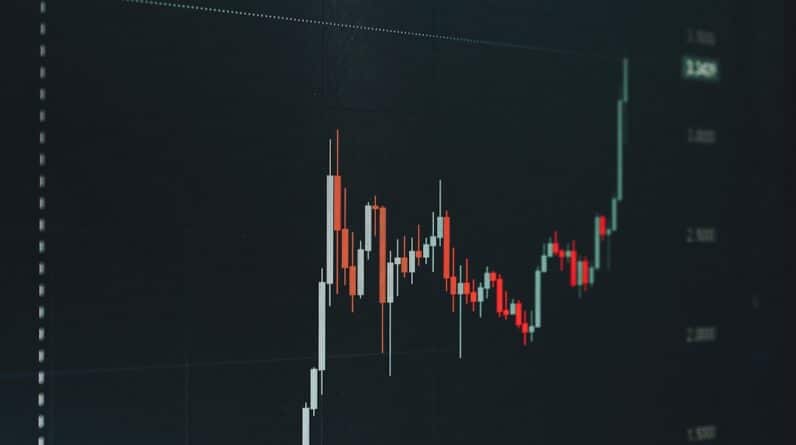
When you delve into the world of Bitcoin, one of the first things that may catch your attention is its notorious price volatility. Unlike traditional currencies or even stocks, Bitcoin’s value can swing dramatically within a matter of hours. You might find yourself watching the price rise to dizzying heights, only to see it plummet just as quickly.
This unpredictability can be both exhilarating and terrifying, especially if you have invested a significant amount of your hard-earned money. The rapid fluctuations can lead to substantial gains, but they can also result in devastating losses, making it crucial for you to approach Bitcoin investment with caution. The volatility of Bitcoin prices is influenced by various factors, including market sentiment, regulatory news, and macroeconomic trends.
As you navigate this landscape, you may notice that even minor news events can trigger significant price movements. For instance, a tweet from a prominent figure or a regulatory announcement can send prices soaring or crashing. This environment creates a sense of urgency and excitement, but it also means that you must stay informed and be prepared for sudden changes.
Understanding the underlying factors that contribute to Bitcoin’s volatility can help you make more informed decisions and manage your investment strategy effectively.
Key Takeaways
- Bitcoin prices are highly volatile and can fluctuate dramatically in a short period of time.
- Security risks and hacking concerns are prevalent in the world of Bitcoin, making it important for investors to prioritize security measures.
- The lack of regulation and legal protections for Bitcoin can leave investors vulnerable to potential risks and uncertainties.
- There is a significant potential for fraud and scams in the Bitcoin market, requiring investors to be cautious and vigilant.
- Market manipulation can have a significant impact on Bitcoin prices, leading to potential risks for investors.
Security Risks and Hacking Concerns
As you explore the realm of Bitcoin, security risks and hacking concerns are paramount. The decentralized nature of Bitcoin means that it operates without a central authority, which can be both a blessing and a curse. While this decentralization offers freedom from traditional banking systems, it also exposes you to potential security threats.
You may have heard stories of exchanges being hacked or wallets being compromised, leading to the loss of millions of dollars worth of Bitcoin. These incidents serve as stark reminders that while Bitcoin offers opportunities, it also comes with inherent risks. To protect your investment, you must take proactive measures to secure your Bitcoin holdings.
This includes using reputable exchanges, enabling two-factor authentication, and considering hardware wallets for long-term storage. However, even with these precautions, the threat of hacking remains ever-present. As cybercriminals become more sophisticated, you must remain vigilant and continuously educate yourself about the latest security practices.
The peace of mind that comes from knowing your assets are secure is invaluable in an environment where hacking is a constant concern.
Lack of Regulation and Legal Protections
The lack of regulation surrounding Bitcoin can be both liberating and daunting for you as an investor. On one hand, the absence of stringent regulations allows for greater freedom in how you buy, sell, and trade Bitcoin. You are not bound by the same rules that govern traditional financial markets, which can be appealing if you value autonomy.
However, this lack of oversight also means that you are operating in a legal gray area where consumer protections are minimal. If something goes wrong—whether it’s a failed transaction or a fraudulent scheme—you may find yourself with limited recourse. Navigating this unregulated landscape requires you to be proactive in understanding the legal implications of your investments.
You should familiarize yourself with the laws in your jurisdiction regarding cryptocurrency transactions and taxation. Additionally, staying informed about potential regulatory changes is essential, as governments around the world are increasingly scrutinizing cryptocurrencies. While the promise of a decentralized financial system is enticing, the reality is that without proper regulation, you may be left vulnerable to risks that could have been mitigated in a more structured environment.
Potential for Fraud and Scams
As you venture into the world of Bitcoin, it’s crucial to be aware of the potential for fraud and scams that lurk around every corner. The anonymity and lack of regulation associated with cryptocurrencies create fertile ground for unscrupulous individuals looking to exploit unsuspecting investors. You may encounter schemes promising guaranteed returns or investment opportunities that seem too good to be true.
These scams can take many forms, from Ponzi schemes to phishing attacks aimed at stealing your private keys. To protect yourself from falling victim to fraud, it’s essential to conduct thorough research before investing in any project or platform. Look for reviews, verify the legitimacy of the company behind an investment opportunity, and be wary of unsolicited offers.
Trust your instincts; if something feels off or too good to be true, it probably is. By remaining vigilant and skeptical, you can significantly reduce your risk of becoming a victim of fraud in the cryptocurrency space.
The Impact of Market Manipulation
Market manipulation is another concern that you should consider when investing in Bitcoin. The cryptocurrency market is still relatively young and less liquid than traditional financial markets, making it susceptible to manipulation by large players or “whales.” These individuals or entities can influence prices by making large trades or spreading misinformation, creating an environment where your investment decisions may be swayed by artificial price movements. Understanding the dynamics of market manipulation can help you navigate this volatile landscape more effectively.
You might want to pay attention to trading volumes and patterns to identify potential manipulation tactics. Additionally, staying informed about market sentiment and news can provide context for sudden price changes. By being aware of these factors, you can make more informed decisions and avoid being caught off guard by market fluctuations driven by manipulation.
The Environmental Impact of Bitcoin Mining
As you consider investing in Bitcoin, it’s essential to acknowledge the environmental impact associated with its mining process. Bitcoin mining requires significant computational power and energy consumption, leading to concerns about its carbon footprint. You may have heard debates about whether the benefits of decentralized currency outweigh the environmental costs associated with mining operations.
This issue has sparked discussions about sustainability within the cryptocurrency community. If you’re environmentally conscious, you might want to explore alternative cryptocurrencies that utilize less energy-intensive consensus mechanisms, such as proof-of-stake. Additionally, some mining operations are beginning to adopt renewable energy sources to mitigate their environmental impact.
By staying informed about these developments, you can align your investment choices with your values and contribute to a more sustainable future for cryptocurrency.
The Potential for Government Intervention
The potential for government intervention in the cryptocurrency space is another factor that should weigh on your mind as an investor. Governments around the world are grappling with how to regulate cryptocurrencies effectively while balancing innovation and consumer protection. You may find yourself wondering how future regulations could impact your investments in Bitcoin and whether they could lead to restrictions on trading or ownership.
While some governments have embraced cryptocurrencies and blockchain technology, others have taken a more cautious approach or outright banned them. Keeping an eye on regulatory developments in your country and globally is crucial for understanding how government actions could affect your investments. By staying informed and adaptable, you can navigate potential changes in the regulatory landscape and make strategic decisions regarding your Bitcoin holdings.
The Risk of Losing Access to Funds
One of the most daunting risks associated with Bitcoin investment is the possibility of losing access to your funds. Unlike traditional bank accounts where customer support can assist you in recovering lost access, Bitcoin operates on a decentralized network where mistakes can have irreversible consequences. If you lose your private keys or forget your wallet password, there may be no way to recover your funds.
To mitigate this risk, it’s essential to take proactive steps in managing your Bitcoin holdings. Consider using hardware wallets for long-term storage and ensure that you have secure backups of your private keys stored in multiple locations. Additionally, familiarize yourself with best practices for wallet security to minimize the chances of losing access to your funds.
By being diligent in safeguarding your assets, you can reduce the anxiety associated with potential loss.
The Psychological Toll of Investing in Bitcoin
Investing in Bitcoin can take a significant psychological toll on you as an investor. The constant price fluctuations and uncertainty surrounding the cryptocurrency market can lead to heightened stress and anxiety levels. You may find yourself checking prices obsessively or feeling overwhelmed by the fear of missing out on potential gains or suffering losses.
To manage this psychological burden, it’s essential to establish a clear investment strategy and stick to it. Setting realistic expectations about potential returns and understanding that volatility is inherent in the cryptocurrency market can help alleviate some stress. Additionally, consider taking breaks from monitoring prices or engaging with online communities that discuss Bitcoin to maintain a healthy perspective on your investments.
The Potential for Technological Obsolescence
As technology continues to evolve at a rapid pace, there’s always a risk that Bitcoin could become obsolete due to advancements in blockchain technology or competing cryptocurrencies. While Bitcoin has established itself as the first and most well-known cryptocurrency, new innovations could potentially render it less relevant over time. You might find yourself questioning whether investing in Bitcoin is a wise long-term decision given this uncertainty.
To stay ahead of potential obsolescence, it’s crucial to keep an eye on emerging technologies within the cryptocurrency space. Researching new projects and understanding their value propositions can help you make informed decisions about diversifying your portfolio beyond just Bitcoin. By remaining adaptable and open-minded about technological advancements, you can position yourself for success in an ever-changing landscape.
The Lack of Consumer Protections and Recourse
Finally, one of the most significant challenges you face as a Bitcoin investor is the lack of consumer protections and recourse available in traditional financial systems. If something goes wrong—whether it’s a failed transaction or a dispute with an exchange—you may find yourself without adequate support or avenues for resolution. This lack of consumer protection can leave you feeling vulnerable and exposed in an already risky environment.
To navigate this challenge effectively, it’s essential to conduct thorough research before engaging with any exchange or platform. Look for reputable services with positive reviews and transparent policies regarding customer support and dispute resolution. Additionally, consider diversifying your investments across multiple platforms to reduce reliance on any single entity.
By taking these precautions, you can enhance your overall experience as a Bitcoin investor while minimizing potential risks associated with consumer protections. In conclusion, while investing in Bitcoin presents numerous opportunities for profit and innovation, it also comes with significant risks that require careful consideration and management on your part. By understanding these challenges—from volatility and security concerns to regulatory uncertainties—you can make informed decisions that align with your financial goals and risk tolerance.
FAQs
What is Bitcoin?
Bitcoin is a digital currency that was created in 2009 by an unknown person using the name Satoshi Nakamoto. It is a decentralized form of currency, meaning it is not controlled by any government or financial institution.
What are the dangers of investing in Bitcoin?
Investing in Bitcoin can be risky due to its volatile nature. The value of Bitcoin can fluctuate greatly in a short period of time, leading to potential financial losses for investors. Additionally, the lack of regulation and security in the cryptocurrency market can make it susceptible to fraud and hacking.
Is Bitcoin a safe investment?
Bitcoin is considered a high-risk investment due to its volatility and lack of regulation. While some investors have seen significant returns from investing in Bitcoin, others have experienced substantial losses. It is important for investors to carefully consider the risks before investing in Bitcoin.
What are some factors that contribute to the volatility of Bitcoin?
Several factors contribute to the volatility of Bitcoin, including market demand, investor speculation, regulatory developments, and technological advancements. Additionally, the limited supply of Bitcoin (only 21 million will ever be created) can also impact its value.
Are there any regulations in place to protect Bitcoin investors?
The regulatory environment for Bitcoin and other cryptocurrencies varies by country. Some countries have implemented regulations to protect investors, while others have taken a more hands-off approach. It is important for investors to be aware of the regulatory landscape in their respective countries before investing in Bitcoin.


