
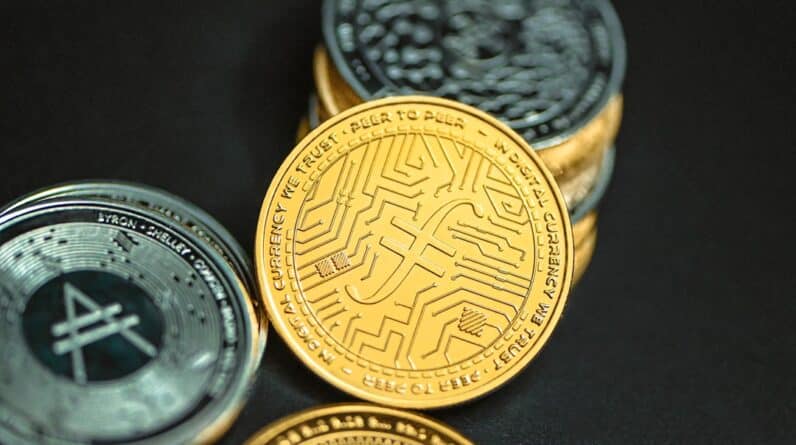
In times of economic uncertainty, investors often seek refuge in safe-haven assets. These are investments that are expected to retain or increase in value during market turbulence, providing a buffer against financial instability. You may find yourself gravitating toward these assets when faced with inflation, geopolitical tensions, or stock market volatility.
Traditionally, gold has been the go-to safe-haven asset, revered for its intrinsic value and historical significance. However, the rise of cryptocurrencies, particularly Bitcoin, has sparked a debate about whether it can also serve as a reliable safe haven. As you navigate the complexities of investment choices, understanding the characteristics and behaviors of these assets becomes crucial.
Safe-haven assets are not just about preserving wealth; they also reflect broader economic sentiments and investor psychology. In this article, you will explore the nuances of Bitcoin and gold as safe-haven assets, comparing their attributes, volatility, and roles in your investment portfolio. By the end, you will have a clearer perspective on whether Bitcoin can truly replace gold in this critical role.
Key Takeaways
- Safe-haven assets are investments that are expected to retain or increase in value during times of market turbulence or economic uncertainty.
- Bitcoin is often considered a safe-haven asset due to its decentralized nature and limited supply, similar to gold.
- Gold has been a traditional safe-haven asset for centuries, valued for its scarcity and tangible properties.
- Bitcoin and gold both have unique characteristics, with Bitcoin being digital and decentralized, while gold is physical and has a long history as a store of value.
- Bitcoin is known for its high volatility, while gold is generally more stable, making it a preferred choice for risk-averse investors.
Understanding Bitcoin as a Safe-Haven Asset
Bitcoin, often dubbed “digital gold,” has emerged as a potential safe-haven asset in recent years. Its decentralized nature and limited supply—capped at 21 million coins—make it an attractive option for those looking to hedge against inflation and currency devaluation. When you consider the increasing concerns over fiat currencies losing their purchasing power, Bitcoin’s fixed supply can provide a sense of security.
You may find that its appeal lies in its ability to operate outside traditional financial systems, offering a level of autonomy that resonates with many investors. Moreover, Bitcoin’s blockchain technology ensures transparency and security, which can further enhance its status as a safe haven. As you delve deeper into the world of cryptocurrencies, you might appreciate how Bitcoin transactions are recorded on a public ledger, making it nearly impossible to manipulate or counterfeit.
This transparency can instill confidence among investors who are wary of traditional banking systems. However, while Bitcoin presents these advantages, it is essential to recognize that it is still a relatively new asset class, and its long-term viability as a safe haven remains a topic of debate.
Understanding Gold as a Safe-Haven Asset
Gold has been revered as a safe-haven asset for centuries, serving as a store of value and a hedge against economic downturns. Its intrinsic value is derived from its physical properties and historical significance as a medium of exchange. When you think of gold, you might envision its use in jewelry, electronics, and even as a form of currency in ancient civilizations.
This long-standing history contributes to its perception as a reliable asset during times of crisis. One of the key attributes that make gold a safe haven is its ability to maintain value over time. Unlike fiat currencies that can be printed at will by governments, gold’s supply is limited by nature.
This scarcity can protect your investments from inflationary pressures. Additionally, during periods of geopolitical instability or economic downturns, gold often sees increased demand as investors flock to its perceived safety. As you consider your investment strategy, understanding gold’s historical performance during crises can provide valuable insights into its role as a safe haven.
Comparing the Characteristics of Bitcoin and Gold
When comparing Bitcoin and gold as safe-haven assets, several characteristics come into play. Both assets offer unique benefits that cater to different investor preferences. For instance, while gold is tangible and has been used for thousands of years as a form of currency and wealth preservation, Bitcoin is digital and operates on a decentralized network.
This fundamental difference shapes how you might view each asset’s reliability and accessibility. You may also notice that liquidity varies between the two assets. Gold can be easily bought and sold through various channels, including jewelry stores and online platforms.
In contrast, Bitcoin transactions occur on cryptocurrency exchanges, which may present challenges for those unfamiliar with digital currencies. Furthermore, while gold has established itself as a safe haven over centuries, Bitcoin’s relatively short history raises questions about its long-term stability and acceptance in mainstream finance. As you weigh these characteristics, consider how they align with your investment goals and risk tolerance.
One of the most significant differences between Bitcoin and gold lies in their volatility. Bitcoin is known for its dramatic price swings; you may have witnessed its value soar or plummet within days or even hours. This volatility can be both an opportunity and a risk for investors like yourself.
While the potential for high returns is enticing, the unpredictability can also lead to substantial losses if not managed carefully. In contrast, gold tends to exhibit more stable price movements over time. While it is not immune to fluctuations—especially during periods of economic uncertainty—its historical performance shows that it generally retains value better than Bitcoin during market downturns.
As you consider your investment strategy, understanding this volatility is crucial. If you prefer stability and predictability in your portfolio, gold may be more appealing. However, if you are willing to embrace risk for the potential of higher returns, Bitcoin could be worth exploring.
The concept of “store of value” is central to the discussion of safe-haven assets. Both Bitcoin and gold are often viewed through this lens; however, their effectiveness in this role can differ significantly. Gold has long been regarded as a reliable store of value due to its physical properties and historical track record.
You might find comfort in knowing that gold has maintained its purchasing power over centuries, making it a trusted choice for wealth preservation. On the other hand, Bitcoin’s status as a store of value is still evolving. While some proponents argue that its limited supply and decentralized nature position it well for this role, others point to its price volatility as a significant drawback.
As you evaluate these assets for your portfolio, consider how each aligns with your long-term financial goals. If you prioritize stability and historical reliability, gold may be your preferred choice. Conversely, if you are open to exploring new technologies and potential growth opportunities, Bitcoin could offer an intriguing alternative.
The Role of Institutional Investors in Bitcoin and Gold
Institutional investors play a pivotal role in shaping the landscape of both Bitcoin and gold as safe-haven assets. In recent years, you may have noticed an increasing number of institutional players entering the cryptocurrency space, signaling growing acceptance of Bitcoin among traditional finance entities. This influx of capital can lend credibility to Bitcoin as a legitimate investment option and may contribute to its price stability over time.
Conversely, gold has long been favored by institutional investors as a hedge against economic uncertainty. Many large financial institutions hold significant gold reserves as part of their asset allocation strategies. As you consider your investment options, it’s essential to recognize how institutional interest can influence market dynamics for both assets.
The growing participation of institutional investors in Bitcoin may enhance its legitimacy and stability while reinforcing gold’s status as a time-tested safe haven.
Regulatory and Legal Considerations for Bitcoin and Gold
When investing in any asset class, regulatory and legal considerations are paramount. Gold has established regulations governing its trade and ownership across various jurisdictions, providing a level of security for investors like yourself. You may feel reassured knowing that gold markets are well-regulated and that there are clear guidelines regarding ownership rights.
In contrast, the regulatory landscape surrounding Bitcoin is still evolving. Different countries have adopted varying approaches to cryptocurrency regulation; some embrace it while others impose strict restrictions or outright bans. As you navigate this complex environment, staying informed about regulatory developments is crucial for making sound investment decisions.
Understanding how regulations impact both Bitcoin and gold can help you assess potential risks and opportunities in your investment strategy.
Geopolitical and Economic Factors Affecting Bitcoin and Gold
Geopolitical events and economic factors significantly influence the performance of both Bitcoin and gold as safe-haven assets. You may have observed how tensions between nations or economic crises can lead to increased demand for these assets as investors seek refuge from uncertainty. For instance, during times of war or political instability, gold often sees heightened interest due to its historical role as a safe haven.
Bitcoin’s response to geopolitical events can be more nuanced. While it may benefit from increased demand during crises—similar to gold—it can also be affected by regulatory actions or technological developments within the cryptocurrency space. As you analyze these factors, consider how global events might impact your investment choices in both assets.
Staying attuned to geopolitical developments can provide valuable insights into market trends and help you make informed decisions.
The Future of Bitcoin and Gold as Safe-Haven Assets
Looking ahead, the future of both Bitcoin and gold as safe-haven assets remains uncertain yet intriguing. As you contemplate your investment strategy, consider how evolving market dynamics may shape the roles these assets play in your portfolio. Bitcoin’s potential for growth and innovation could position it favorably among younger investors seeking alternatives to traditional assets like gold.
However, gold’s enduring appeal as a time-tested store of value cannot be overlooked. Its historical significance and stability continue to attract conservative investors who prioritize wealth preservation over speculative gains. As you weigh these factors, think about how your investment philosophy aligns with the characteristics of each asset class.
Can Bitcoin Replace Gold as a Safe-Haven Asset?
In conclusion, the question of whether Bitcoin can replace gold as a safe-haven asset is complex and multifaceted. While both assets offer unique benefits and drawbacks, their effectiveness ultimately depends on individual investor preferences and risk tolerance. You may find that gold’s historical reliability provides comfort during uncertain times, while Bitcoin’s innovative nature appeals to those seeking growth opportunities.
As you navigate this evolving landscape, consider how each asset aligns with your financial goals and investment strategy. Whether you choose to invest in gold, Bitcoin, or both will depend on your assessment of their respective characteristics and potential risks. Ultimately, understanding the nuances of these safe-haven assets will empower you to make informed decisions that align with your financial aspirations.
FAQs
What is a safe-haven asset?
A safe-haven asset is an investment that is expected to retain or increase in value during times of market turbulence or economic uncertainty. These assets are sought after by investors as a way to protect their portfolios from potential losses.
What is gold’s role as a safe-haven asset?
Gold has historically been considered a safe-haven asset due to its intrinsic value, limited supply, and long-standing use as a store of wealth. During times of economic instability or geopolitical tension, investors often flock to gold as a way to preserve their wealth.
How does Bitcoin compare to gold as a safe-haven asset?
Bitcoin has gained attention as a potential safe-haven asset due to its decentralized nature, limited supply, and perceived store of value. However, its shorter track record and higher volatility compared to gold have led to debates about its suitability as a safe-haven asset.
What are the factors influencing Bitcoin’s potential as a safe-haven asset?
Factors influencing Bitcoin’s potential as a safe-haven asset include its adoption by institutional investors, regulatory developments, market liquidity, and its ability to serve as a hedge against inflation and currency devaluation.
Can Bitcoin replace gold as a safe-haven asset?
The debate over whether Bitcoin can replace gold as a safe-haven asset is ongoing. While some proponents believe that Bitcoin’s technological advantages and growing acceptance could position it as a viable alternative to gold, others argue that its volatility and regulatory uncertainties may limit its appeal as a true safe-haven asset.


