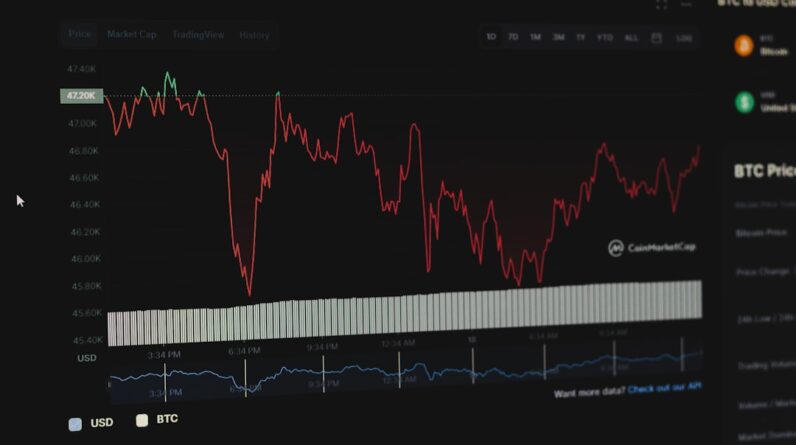
When you delve into the world of cryptocurrencies, one of the first things that strikes you is the extreme volatility that characterizes this market. Prices can soar to unprecedented heights within a matter of hours, only to plummet just as rapidly. This erratic behavior can be both exhilarating and terrifying, especially for those who are new to investing in digital currencies.
You may find yourself caught in a whirlwind of emotions as you watch your investments fluctuate wildly, often driven by factors that seem entirely out of your control. The rapid price changes can create opportunities for significant gains, but they also pose substantial risks that can lead to devastating losses. Understanding the underlying causes of this volatility is crucial for anyone looking to navigate the crypto landscape.
Market sentiment plays a pivotal role; news events, social media trends, and influential figures can sway public perception and drive prices up or down. Additionally, the relatively low market capitalization of many cryptocurrencies compared to traditional assets means that even small trades can have outsized effects on prices. As you engage with this market, it’s essential to develop a strategy that accounts for these fluctuations, whether through careful research, diversification, or setting strict limits on your investments.
Key Takeaways
- Volatility and price fluctuations are common in the crypto market, making it a high-risk investment.
- Security concerns and hacking risks are prevalent in the crypto space, with numerous incidents of theft and fraud.
- Regulatory uncertainty and legal issues surrounding cryptocurrencies create a challenging environment for investors and businesses.
- Market manipulation and insider trading are significant concerns in the crypto market, leading to potential unfair advantages for certain players.
- Technology risks and blockchain vulnerabilities pose threats to the security and stability of cryptocurrencies and related platforms.
- Lack of consumer protection and insurance leaves investors vulnerable to losses and fraudulent activities in the crypto market.
- Tax implications and reporting requirements for cryptocurrency transactions are complex and often unclear, leading to potential compliance issues for investors.
- The potential for obsolescence and disruption in the crypto market is high, as new technologies and regulations continue to shape the industry.
Security Concerns and Hacking Risks
As you explore the realm of cryptocurrencies, security becomes a paramount concern. The decentralized nature of blockchain technology offers many advantages, but it also opens the door to various security vulnerabilities. You may have heard stories of exchanges being hacked, resulting in millions of dollars worth of digital assets being stolen.
These incidents serve as stark reminders that while cryptocurrencies promise anonymity and security, they are not immune to cyber threats. As you consider investing, it’s vital to understand the risks associated with storing your assets on exchanges versus using personal wallets. Moreover, the responsibility for securing your investments largely falls on your shoulders.
Unlike traditional banking systems that offer consumer protections and insurance against theft, the crypto space lacks such safeguards. You must take proactive measures to protect your assets, such as using hardware wallets, enabling two-factor authentication, and being cautious about phishing attempts. The more informed you are about potential security threats, the better equipped you will be to safeguard your investments in this rapidly evolving landscape.
Regulatory Uncertainty and Legal Issues

Navigating the regulatory environment surrounding cryptocurrencies can feel like walking through a minefield. As you engage with digital currencies, you may find yourself grappling with a patchwork of regulations that vary significantly from one jurisdiction to another. Governments around the world are still trying to figure out how to classify cryptocurrencies—are they currencies, commodities, or securities?
This uncertainty can create challenges for investors like you who want to ensure compliance while also maximizing your investment potential. The legal landscape is further complicated by the fact that regulations are constantly evolving. New laws and guidelines can emerge overnight, impacting everything from taxation to trading practices.
As you invest in cryptocurrencies, staying informed about regulatory changes is crucial. You may need to adapt your strategies or even reconsider your investments based on new legal developments. Engaging with legal experts or following reputable news sources can help you navigate this complex terrain and make informed decisions.
Market Manipulation and Insider Trading
In the world of cryptocurrencies, market manipulation is a pervasive issue that can undermine your confidence as an investor. Unlike traditional financial markets that are subject to strict regulations, the crypto market often operates in a gray area where unscrupulous actors can exploit loopholes for their gain. You might encounter tactics such as pump-and-dump schemes, where individuals artificially inflate the price of a cryptocurrency before selling off their holdings at a profit, leaving unsuspecting investors with worthless assets.
Insider trading is another concern that can distort market dynamics. With many projects being developed by small teams or even individuals, there’s often little transparency regarding who has access to critical information before it becomes public. As an investor, you may find it challenging to discern whether price movements are driven by genuine market interest or manipulative practices.
To protect yourself from these risks, it’s essential to conduct thorough research and remain skeptical of sudden price spikes or trends that seem too good to be true.
Technology Risks and Blockchain Vulnerabilities
While blockchain technology is often lauded for its security and transparency, it is not without its vulnerabilities. As you immerse yourself in the crypto space, it’s important to recognize that technological risks can impact your investments significantly. For instance, bugs in smart contracts—self-executing contracts with the terms directly written into code—can lead to unintended consequences and financial losses.
You may find yourself at risk if you invest in projects that have not undergone rigorous testing or audits. Additionally, the rapid pace of technological advancement means that new vulnerabilities can emerge as quickly as solutions are developed. As an investor, staying abreast of technological trends and potential risks is essential for making informed decisions.
Engaging with communities and forums dedicated to blockchain technology can provide valuable insights into emerging threats and innovations that could impact your investments.
Lack of Consumer Protection and Insurance

One of the most significant drawbacks of investing in cryptocurrencies is the lack of consumer protection mechanisms that are typically found in traditional financial systems. When you deposit money in a bank or invest in regulated securities, you often benefit from various protections designed to safeguard your assets. In contrast, the crypto market operates largely without these safety nets.
If an exchange goes bankrupt or is hacked, there’s little recourse for recovering your funds. This absence of consumer protection extends beyond exchanges; it also applies to individual projects and tokens. Many cryptocurrencies are launched through Initial Coin Offerings (ICOs) or token sales that may not be subject to regulatory oversight.
As an investor, you must exercise due diligence when evaluating projects and consider the risks associated with investing in unregulated assets. Building a diversified portfolio and only investing what you can afford to lose can help mitigate some of these risks.
Tax Implications and Reporting Requirements
As you navigate the world of cryptocurrencies, understanding the tax implications is crucial for ensuring compliance with local laws. Many jurisdictions treat cryptocurrencies as taxable assets, meaning that any gains you realize from trading or selling them could be subject to capital gains tax. This requirement can complicate your investment strategy, as you’ll need to keep meticulous records of your transactions to accurately report your earnings.
Moreover, tax regulations surrounding cryptocurrencies are still evolving, which means you may face uncertainty regarding how different transactions are taxed. For instance, some countries may impose taxes on cryptocurrency received as payment for goods or services while others may not recognize certain types of transactions at all. Staying informed about tax obligations and consulting with tax professionals who specialize in cryptocurrency can help you navigate this complex landscape and avoid potential pitfalls.
Potential for Obsolescence and Disruption in the Crypto Market
The cryptocurrency market is characterized by rapid innovation and change, which brings both opportunities and risks for investors like you. While some projects may seem promising today, there’s always the potential for obsolescence as new technologies emerge or market demands shift. You might find yourself investing in a cryptocurrency that becomes outdated or irrelevant due to advancements in blockchain technology or changes in consumer preferences.
This potential for disruption underscores the importance of remaining adaptable as an investor. Keeping an eye on emerging trends and being willing to pivot your investment strategy can help you stay ahead of the curve. Engaging with industry news and participating in discussions within crypto communities can provide valuable insights into which projects are likely to thrive and which may fade into obscurity over time.
In conclusion, while investing in cryptocurrencies offers exciting opportunities for growth and innovation, it also comes with a unique set of challenges and risks. By understanding volatility, security concerns, regulatory issues, market manipulation, technology risks, consumer protection gaps, tax implications, and potential obsolescence, you can better equip yourself for success in this dynamic landscape. As you embark on your crypto journey, remember that knowledge is power; staying informed will empower you to make sound investment decisions and navigate this ever-evolving market with confidence.
FAQs
What are the risks of holding crypto long-term?
Some of the risks of holding crypto long-term include price volatility, regulatory changes, security threats, and technological obsolescence.
How does price volatility affect long-term crypto holders?
Price volatility can lead to significant fluctuations in the value of a cryptocurrency, potentially resulting in substantial gains or losses for long-term holders.
What are the potential regulatory risks for long-term crypto holders?
Regulatory changes or crackdowns on cryptocurrencies by governments can impact the legality and use of certain cryptocurrencies, potentially affecting their long-term value.
What security threats should long-term crypto holders be aware of?
Long-term crypto holders should be mindful of security threats such as hacking, phishing attacks, and theft, which can result in the loss of their cryptocurrency holdings.
How can technological obsolescence impact long-term crypto holdings?
Technological advancements and changes in the cryptocurrency landscape can lead to the obsolescence of certain cryptocurrencies, potentially rendering them worthless in the long-term.