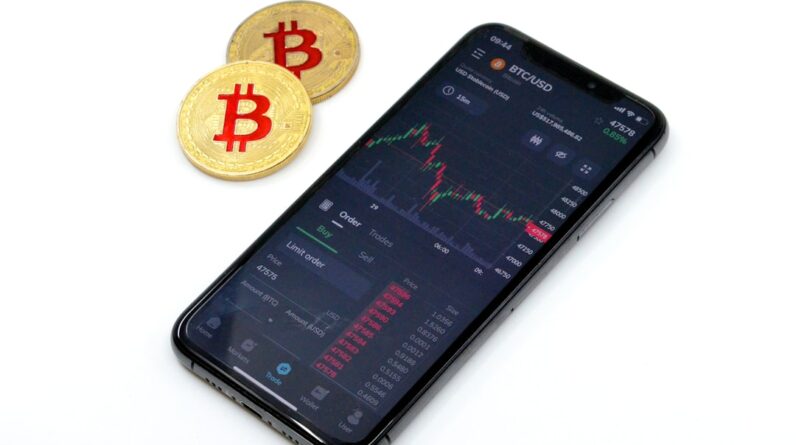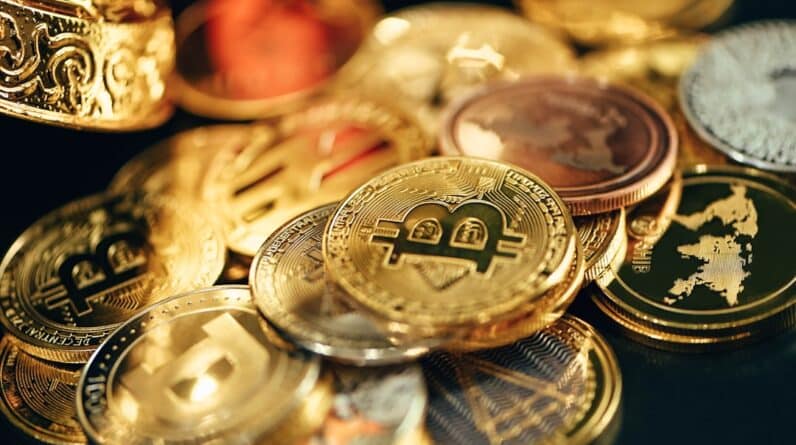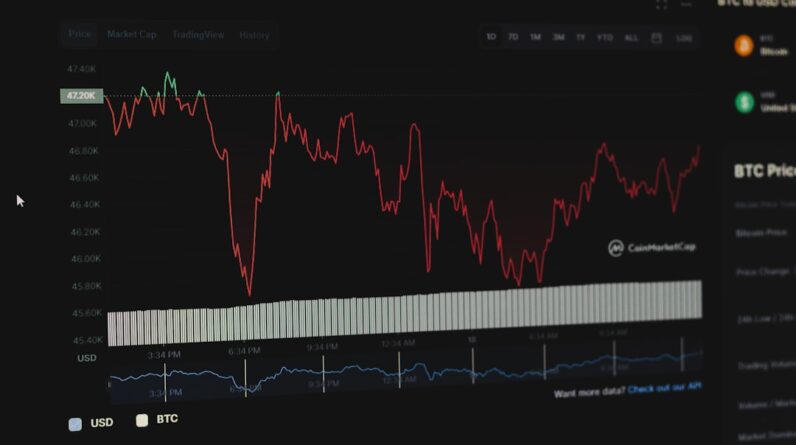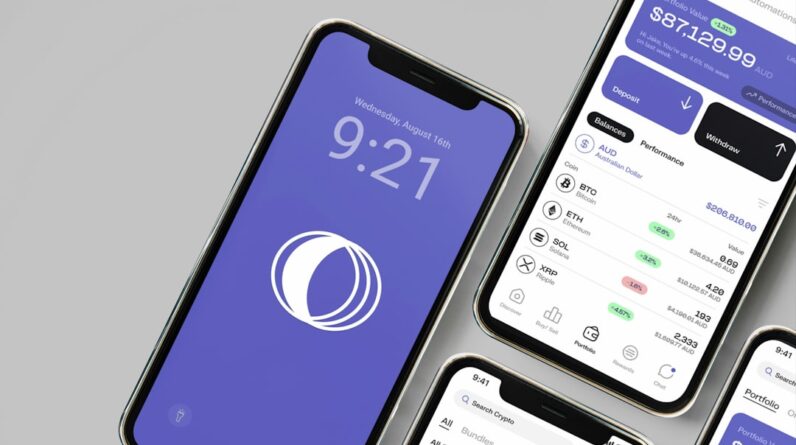
In recent years, the concept of digital currency has transformed from a niche interest into a mainstream financial phenomenon. You may have noticed how discussions about cryptocurrencies have permeated everyday conversations, news headlines, and even financial markets. Digital currencies, often referred to as cryptocurrencies, are decentralized forms of money that leverage blockchain technology to secure transactions and control the creation of new units.
This innovative approach to currency has not only challenged traditional financial systems but has also opened up new avenues for investment and economic participation. As you delve deeper into the world of digital currency, you will discover a diverse landscape filled with various coins and tokens, each with its unique features and purposes. The allure of digital currencies lies in their potential to disrupt conventional banking systems, offering users greater control over their finances and the ability to transact without intermediaries.
However, this new frontier is not without its challenges, including regulatory scrutiny, market volatility, and security concerns. Understanding the key players in this space is essential for anyone looking to navigate the complexities of digital currency effectively.
Key Takeaways
- Digital currency is a form of currency that is available only in digital or electronic form.
- Bitcoin is the first and most dominant player in the digital currency world, often referred to as “digital gold.”
- Ethereum is a rising star in the digital currency world, known for its smart contract functionality and decentralized applications.
- Ripple is a digital currency specifically designed for financial institutions to facilitate cross-border payments and transactions.
- Litecoin is often referred to as the silver to Bitcoin’s gold, offering faster transaction times and a different mining algorithm.
Bitcoin: The Pioneer and Dominant Player
The Pioneer of Cryptocurrency
As the pioneer of the cryptocurrency movement, Bitcoin has maintained its position as the dominant player in the market, often referred to as “digital gold” due to its limited supply and store of value characteristics. Its appeal lies in its scarcity; there will only ever be 21 million bitcoins in existence.
A Decentralized Alternative
Bitcoin operates on a peer-to-peer network, allowing users to send and receive funds directly without the need for intermediaries like banks. This decentralization not only enhances security but also empowers individuals by giving them full control over their assets.
A Store of Value
The finite supply of Bitcoin has contributed to its value appreciation over time, attracting investors seeking a hedge against inflation and economic instability.
Ethereum: The Rising Star in the Digital Currency World

While Bitcoin may be the most recognized cryptocurrency, Ethereum has emerged as a formidable contender in the digital currency arena. Launched in 2015 by Vitalik Buterin and a team of developers, Ethereum introduced a groundbreaking concept: smart contracts. These self-executing contracts run on the Ethereum blockchain and automatically enforce agreements when predetermined conditions are met.
This innovation has opened up a world of possibilities for decentralized applications (dApps) and has positioned Ethereum as a platform for innovation beyond mere currency transactions. As you explore Ethereum’s ecosystem, you’ll discover that it serves as a foundation for numerous projects and tokens, collectively known as ERC-20 tokens. These tokens have facilitated the rise of decentralized finance (DeFi) and non-fungible tokens (NFTs), revolutionizing how people interact with digital assets.
The flexibility of Ethereum’s platform allows developers to create a wide range of applications, from lending platforms to digital art marketplaces. As you consider your investment options, Ethereum’s potential for growth and its role in shaping the future of finance make it an exciting prospect.
Ripple: The Digital Currency for Financial Institutions
Ripple stands out in the digital currency landscape as a solution specifically designed for financial institutions. Unlike Bitcoin and Ethereum, which primarily cater to individual users and developers, Ripple focuses on facilitating cross-border payments between banks and payment providers. Its native digital asset, XRP, acts as a bridge currency that enables faster and more cost-effective international transactions.
This unique approach has garnered attention from major financial institutions seeking to streamline their operations and reduce transaction costs. As you learn more about Ripple, you’ll find that its technology allows for near-instantaneous settlement times compared to traditional banking systems that can take days to process international transfers. By leveraging blockchain technology, Ripple enhances transparency and security while minimizing the risks associated with currency fluctuations.
For those interested in the intersection of finance and technology, Ripple represents a compelling case study on how digital currencies can reshape traditional banking practices.
Litecoin: The Silver to Bitcoin’s Gold
Often referred to as the “silver” to Bitcoin’s “gold,” Litecoin was created by Charlie Lee in 2011 as a lighter and faster alternative to Bitcoin. While it shares many similarities with Bitcoin, such as its decentralized nature and use of blockchain technology, Litecoin offers several key differences that enhance its usability for everyday transactions. One notable feature is its faster block generation time, which allows for quicker transaction confirmations—making it an attractive option for those looking to make smaller purchases or conduct frequent transactions.
As you explore Litecoin further, you’ll discover that it has gained traction among merchants and users alike due to its lower transaction fees compared to Bitcoin. This affordability makes Litecoin an appealing choice for microtransactions and everyday purchases. Additionally, Litecoin has implemented technological advancements such as the Lightning Network, which further enhances its scalability and transaction speed.
For those seeking a practical digital currency for daily use, Litecoin presents a viable option that complements Bitcoin’s role as a store of value.
Bitcoin Cash: The Controversial Split from Bitcoin
Bitcoin Cash emerged from a contentious debate within the Bitcoin community regarding scalability and transaction fees. In 2017, a group of developers and miners proposed increasing Bitcoin’s block size limit to accommodate more transactions per block, leading to a hard fork that resulted in the creation of Bitcoin Cash (BCH). This split was driven by differing philosophies on how best to scale Bitcoin’s network while maintaining its core principles of decentralization and security.
As you examine Bitcoin Cash’s journey, you’ll find that it aims to provide faster transaction times and lower fees than its predecessor. Supporters argue that this makes BCH more suitable for everyday transactions, while critics contend that it undermines Bitcoin’s status as a store of value. The ongoing debate surrounding Bitcoin Cash highlights the complexities of governance within decentralized networks and raises important questions about the future direction of digital currencies.
For those interested in understanding the dynamics of cryptocurrency communities, Bitcoin Cash serves as a fascinating case study in competing visions for the future of money.
Dash: The Digital Currency Focused on Privacy and Speed
In an era where privacy concerns are increasingly prevalent, Dash has carved out a niche by prioritizing user anonymity and transaction speed. Launched in 2014 by Evan Duffield, Dash offers features such as PrivateSend, which allows users to obfuscate their transaction history for enhanced privacy. This focus on anonymity appeals to individuals who value discretion in their financial dealings or seek protection from surveillance.
As you explore Dash further, you’ll discover that it also boasts rapid transaction times through its InstantSend feature, enabling near-instantaneous payments. This combination of privacy and speed positions Dash as an attractive option for users who prioritize both security and efficiency in their transactions. Additionally, Dash operates on a unique governance model that allows stakeholders to vote on proposals for network improvements and funding initiatives.
For those interested in privacy-focused cryptocurrencies, Dash represents an innovative approach that addresses some of the most pressing concerns in today’s digital economy.
The Future of Digital Currency
As you reflect on the diverse landscape of digital currencies, it’s clear that this space is continually evolving. From Bitcoin’s pioneering role as a store of value to Ethereum’s innovative smart contracts and Ripple’s focus on institutional adoption, each cryptocurrency offers unique features that cater to different needs within the financial ecosystem. The rise of alternative coins like Litecoin, Bitcoin Cash, and Dash further illustrates the dynamic nature of this market as it adapts to user demands and technological advancements.
Looking ahead, the future of digital currency holds immense potential for growth and transformation. As regulatory frameworks develop and mainstream adoption increases, you may witness further integration of cryptocurrencies into everyday life—whether through payment systems or investment opportunities. However, challenges such as market volatility, security risks, and regulatory scrutiny will continue to shape this landscape.
By staying informed about these developments and understanding the various players within the digital currency space, you can better navigate this exciting frontier and make informed decisions about your financial future.
FAQs
What is digital currency?
Digital currency is a type of currency that is available only in digital or electronic form, and not in physical form. It is decentralized and typically operates on a technology called blockchain.
What is the most popular digital currency?
The most popular digital currency is Bitcoin. It was the first cryptocurrency to be created and remains the most widely recognized and used digital currency in the world.
How does digital currency work?
Digital currency operates on a technology called blockchain, which is a decentralized and distributed ledger that records all transactions across a network of computers. Transactions are verified and added to the blockchain through a process called mining.
Is digital currency legal?
The legality of digital currency varies by country. Some countries have embraced digital currency and have regulations in place to govern its use, while others have banned or restricted its use.
How can I obtain digital currency?
Digital currency can be obtained through cryptocurrency exchanges, where users can buy and sell digital currencies using traditional fiat currencies or other digital currencies. It can also be obtained through mining, where users use computer power to verify and add transactions to the blockchain in exchange for newly created digital currency.