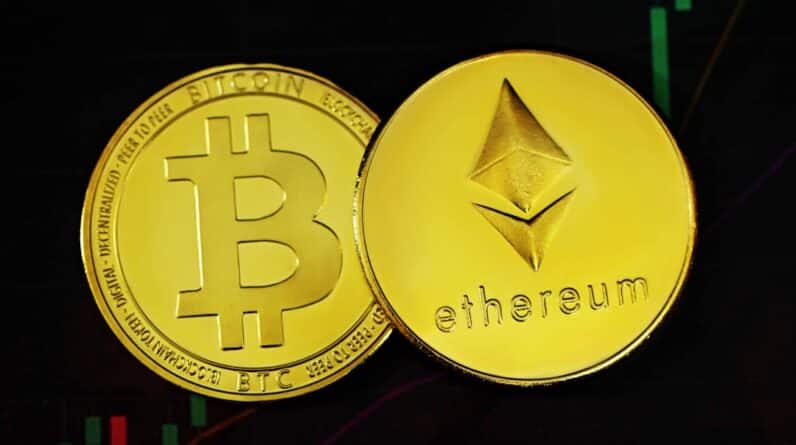
In recent years, the financial landscape has undergone a significant transformation, primarily driven by the rise of cryptocurrencies. You may have heard of Bitcoin, Ethereum, and other digital currencies that have captured the attention of investors and the general public alike. These cryptocurrencies represent a new paradigm in how value is stored and transferred, challenging the long-standing dominance of traditional banking systems.
As you delve into this topic, it becomes clear that understanding the interplay between crypto and traditional banking is essential for grasping the future of finance. Traditional banking has been the cornerstone of financial transactions for centuries, providing services such as savings accounts, loans, and payment processing. However, the emergence of cryptocurrencies has introduced a decentralized alternative that operates independently of central banks and traditional financial institutions.
This shift raises important questions about the future of banking as you know it. Will cryptocurrencies replace traditional banks, or will they coexist and evolve together? The answers to these questions will shape the financial landscape for years to come.
Key Takeaways
- Crypto is a digital or virtual currency that uses cryptography for security and operates independently of a central bank. Traditional banking refers to the established banking system that provides services such as deposits, loans, and investments.
- Crypto has the potential to disrupt traditional banking by offering lower transaction fees, faster cross-border transactions, and greater financial inclusion for the unbanked population.
- Traditional banks face challenges from crypto in the form of competition for customers, potential loss of revenue from transaction fees, and the need to adapt to new technology and customer preferences.
- There are opportunities for collaboration between crypto and traditional banking, such as offering crypto services to existing bank customers, providing custody and security services for crypto assets, and exploring blockchain technology for more efficient banking operations.
- Regulatory concerns surrounding crypto and traditional banking include issues of consumer protection, money laundering, and the need for clear guidelines on the legal and regulatory status of crypto assets. Customer adoption and use of crypto in traditional banking is increasing, with more banks offering crypto services and customers using crypto for investment and payments.
- The future outlook for the relationship between crypto and traditional banking is likely to involve continued collaboration and competition, as well as further integration of crypto services into traditional banking offerings.
- In conclusion, the evolution of traditional banking in the crypto era will require banks to adapt to the changing landscape, embrace new technology, and find ways to collaborate with and benefit from the opportunities presented by crypto.
Disruption of Traditional Banking by Crypto
Challenging Traditional Banking
This capability has attracted a growing number of users who are seeking alternatives to conventional banking services. As you explore this phenomenon, it becomes evident that the very foundation of traditional banking is being challenged. Moreover, cryptocurrencies have introduced innovative financial products and services that traditional banks have been slow to adopt.
Democratization of Finance
Decentralized finance (DeFi) platforms allow users to lend, borrow, and trade assets without relying on banks. This democratization of finance empowers individuals and small businesses, enabling them to access capital and investment opportunities that were previously out of reach.
The Future of Banking
As you consider these developments, it’s clear that traditional banks must adapt or risk becoming obsolete in a rapidly changing financial ecosystem.
Challenges Faced by Traditional Banks Due to Crypto

As cryptocurrencies gain traction, traditional banks are grappling with several challenges that threaten their established business models. One significant issue is the loss of customer trust in traditional financial institutions. You may have observed that many individuals are disillusioned with banks due to past financial crises and perceived mismanagement.
In contrast, cryptocurrencies offer transparency through blockchain technology, allowing users to verify transactions independently. This shift in trust dynamics poses a considerable challenge for banks as they strive to regain customer confidence. Additionally, the rise of crypto has led to increased competition for traditional banks.
You might find it interesting that fintech companies and crypto startups are rapidly innovating and capturing market share by offering more user-friendly services at lower costs. Traditional banks often struggle to keep pace with these agile competitors, which can lead to a decline in their customer base. As you reflect on this situation, it becomes apparent that traditional banks must rethink their strategies to remain relevant in an increasingly digital world.
Opportunities for Collaboration Between Crypto and Traditional Banking
Despite the challenges posed by cryptocurrencies, there are also significant opportunities for collaboration between crypto and traditional banking. You may be surprised to learn that some banks are beginning to embrace digital currencies rather than resist them. By integrating crypto services into their offerings, banks can attract a new generation of customers who are eager to engage with digital assets.
This collaboration could take various forms, such as providing custodial services for cryptocurrencies or facilitating crypto trading on their platforms. Furthermore, traditional banks can leverage blockchain technology to enhance their existing services. For instance, you might consider how blockchain can streamline cross-border payments, reduce transaction times, and lower costs associated with international transfers.
By adopting these innovations, banks can improve their operational efficiency while also appealing to tech-savvy customers who prioritize speed and convenience. As you explore these possibilities, it becomes clear that collaboration rather than competition may be the key to a successful future for both sectors.
Regulatory Concerns Surrounding Crypto and Traditional Banking
As cryptocurrencies continue to gain popularity, regulatory concerns have emerged as a critical issue for both crypto enthusiasts and traditional banks. You may have noticed that governments around the world are grappling with how to regulate digital currencies effectively. The lack of a unified regulatory framework creates uncertainty for both industries, making it challenging for banks to navigate compliance while also exploring opportunities in the crypto space.
Moreover, regulatory bodies are increasingly focused on issues such as anti-money laundering (AML) and know your customer (KYC) requirements in relation to cryptocurrencies. You might find it interesting that traditional banks are often held to strict compliance standards, while many crypto platforms operate in a more decentralized manner. This discrepancy raises questions about how regulations will evolve to address the unique characteristics of digital currencies while ensuring consumer protection and financial stability.
As you consider these regulatory challenges, it becomes evident that finding a balance between innovation and oversight will be crucial for the future of both sectors.
Customer Adoption and Use of Crypto in Traditional Banking

Customer adoption of cryptocurrencies is steadily increasing, and this trend is influencing how traditional banks approach their services. You may have noticed that more individuals are becoming comfortable with digital assets, leading to a growing demand for crypto-related services from banks. As customers seek ways to integrate their crypto holdings into their everyday financial lives, traditional banks have an opportunity to meet this demand by offering innovative solutions.
For instance, you might be interested in how some banks are now allowing customers to hold cryptocurrencies in their accounts or even earn interest on their digital assets. This shift not only caters to customer preferences but also positions banks as relevant players in the evolving financial landscape. Additionally, as you observe the increasing acceptance of cryptocurrencies among merchants and businesses, it becomes clear that traditional banks must adapt their offerings to facilitate seamless transactions between fiat currencies and digital assets.
Future Outlook for the Relationship Between Crypto and Traditional Banking
Looking ahead, the relationship between crypto and traditional banking is likely to evolve significantly as both sectors adapt to changing consumer preferences and technological advancements. You may envision a future where hybrid models emerge, combining the strengths of both systems to create a more inclusive financial ecosystem. In this scenario, traditional banks could serve as trusted intermediaries while also embracing the benefits of blockchain technology and digital currencies.
Moreover, as regulatory frameworks become clearer and more standardized, you might anticipate increased collaboration between crypto firms and traditional banks. This partnership could lead to innovative products that cater to a diverse range of customers while ensuring compliance with regulatory requirements. As you consider these possibilities, it’s essential to recognize that the future of finance will likely be characterized by greater integration between these two worlds rather than outright competition.
The Evolution of Traditional Banking in the Crypto Era
In conclusion, the rise of cryptocurrencies has undeniably disrupted traditional banking systems while also presenting new opportunities for collaboration and innovation. As you reflect on this evolution, it becomes clear that both sectors must adapt to thrive in an increasingly digital world. Traditional banks face challenges related to customer trust and competition from agile fintech companies; however, they also have unique advantages that can be leveraged in partnership with the crypto industry.
The future relationship between crypto and traditional banking will likely be defined by cooperation rather than conflict. By embracing change and exploring new avenues for growth, both sectors can contribute to a more inclusive financial landscape that meets the needs of consumers in the crypto era. As you navigate this dynamic environment, staying informed about developments in both worlds will be crucial for understanding how finance will continue to evolve in the years ahead.
FAQs
What is the impact of crypto on traditional banking?
The impact of crypto on traditional banking is multifaceted. It has led to increased competition, changes in customer behavior, and the need for banks to adapt to new technologies and regulations.
How has crypto increased competition in the banking industry?
Crypto has introduced new players into the financial services industry, such as crypto exchanges and decentralized finance (DeFi) platforms, which compete with traditional banks for customers and market share.
What changes in customer behavior have been observed due to crypto?
Customers are increasingly using crypto for various financial activities, such as investing, remittances, and payments. This has led to a shift in customer preferences and expectations, prompting traditional banks to offer crypto-related services.
How are traditional banks adapting to the impact of crypto?
Traditional banks are adapting to the impact of crypto by exploring the use of blockchain technology, offering crypto custody services, and integrating crypto trading and investment options into their platforms.
What regulatory challenges do traditional banks face in relation to crypto?
Traditional banks face regulatory challenges related to anti-money laundering (AML) and know your customer (KYC) requirements when dealing with crypto, as well as the need to comply with evolving regulations governing digital assets.