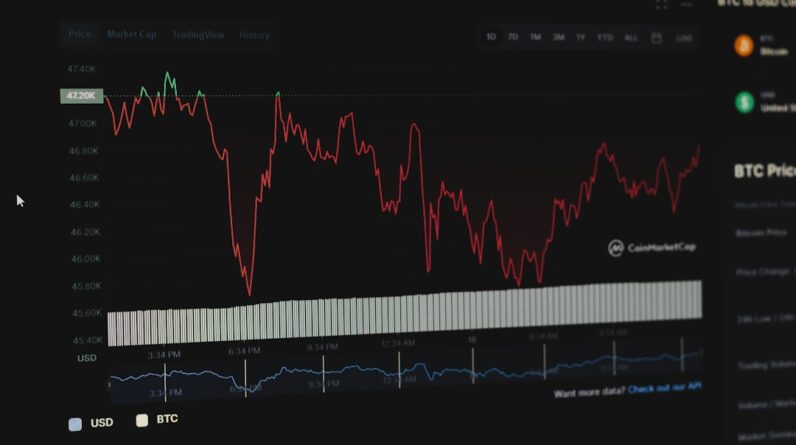
Cryptocurrency regulation is a complex and evolving field that seeks to establish a framework for the use, trading, and development of digital currencies. At its core, regulation aims to protect consumers, prevent illicit activities, and ensure the stability of financial systems. As you delve into the world of cryptocurrency, it’s essential to understand that regulations can vary significantly from one jurisdiction to another.
This disparity can create confusion for investors and businesses alike, as they navigate the legal landscape surrounding digital assets. The primary goal of cryptocurrency regulation is to create a safe environment for users while fostering innovation in the financial technology sector. Governments and regulatory bodies are tasked with balancing the need for oversight with the desire to encourage growth in this burgeoning industry.
As you explore this topic, you will encounter various regulatory approaches, from outright bans to more permissive frameworks that allow for experimentation and development. Understanding these basics will help you grasp the broader implications of regulation on the cryptocurrency market.
Key Takeaways
- Cryptocurrency regulation varies by country and is still evolving, making it important for investors and businesses to stay informed and compliant.
- Governments play a key role in regulating cryptocurrency through legislation, enforcement, and oversight to protect consumers and maintain financial stability.
- Challenges and controversies surrounding cryptocurrency regulation include issues of security, privacy, and the potential for illicit activities such as money laundering and fraud.
- Global perspectives on cryptocurrency regulation differ widely, with some countries embracing it as a legitimate form of currency while others impose strict regulations or outright bans.
- The impact of cryptocurrency regulation on investors and businesses can range from increased compliance costs and reduced market access to improved consumer confidence and market stability.
The Role of Government in Regulating Cryptocurrency
Governments play a pivotal role in shaping the regulatory landscape for cryptocurrencies. They are responsible for establishing laws and guidelines that govern how digital currencies can be used, traded, and developed. As you consider the role of government, it’s important to recognize that their involvement is often driven by concerns over consumer protection, financial stability, and national security.
By implementing regulations, governments aim to mitigate risks associated with fraud, money laundering, and other illicit activities that can arise in the largely unregulated cryptocurrency space. In addition to creating laws, governments also collaborate with international organizations to develop a cohesive approach to cryptocurrency regulation. This cooperation is crucial, as cryptocurrencies operate on a global scale, transcending borders and traditional financial systems.
As you navigate this landscape, you may find that some countries take a more proactive stance in regulating cryptocurrencies, while others adopt a wait-and-see approach. This divergence can lead to regulatory arbitrage, where businesses and investors seek out jurisdictions with more favorable regulations, further complicating the global regulatory environment.
Challenges and Controversies Surrounding Cryptocurrency Regulation

The regulation of cryptocurrencies is fraught with challenges and controversies that can complicate the efforts of governments and regulatory bodies. One significant challenge is the rapid pace of technological innovation in the cryptocurrency space. As new technologies emerge, regulators often struggle to keep up, leading to outdated or ineffective regulations that may stifle innovation rather than promote it.
You may find that this lag creates uncertainty for businesses and investors who are unsure of how to comply with existing laws or anticipate future changes. Another controversy surrounding cryptocurrency regulation is the debate over how to classify digital assets. Are they currencies, commodities, or securities?
This classification has significant implications for how they are regulated. For instance, if a cryptocurrency is deemed a security, it may be subject to stricter regulations than if it is classified as a currency. This ambiguity can create confusion and hinder market growth as stakeholders grapple with differing interpretations of the law.
As you explore these challenges, consider how they impact not only regulatory efforts but also the broader acceptance of cryptocurrencies in mainstream finance.
Global Perspectives on Cryptocurrency Regulation
As you examine cryptocurrency regulation on a global scale, you will encounter a diverse array of approaches taken by different countries. Some nations have embraced cryptocurrencies wholeheartedly, creating regulatory frameworks that encourage innovation and investment. For example, countries like Switzerland and Singapore have established themselves as crypto-friendly jurisdictions by providing clear guidelines for businesses and fostering a supportive ecosystem for blockchain technology.
Conversely, other countries have taken a more cautious or even hostile stance toward cryptocurrencies. Nations like China have implemented strict bans on cryptocurrency trading and initial coin offerings (ICOs), citing concerns over financial stability and fraud. This dichotomy in regulatory approaches highlights the varying degrees of acceptance and understanding of cryptocurrencies around the world.
As you navigate these global perspectives, consider how they influence international trade, investment flows, and the overall development of the cryptocurrency market.
Impact of Cryptocurrency Regulation on Investors and Businesses
The impact of cryptocurrency regulation on investors and businesses cannot be overstated. For investors, clear regulations can provide a sense of security and legitimacy in the market. When regulations are well-defined, you may feel more confident in your investments, knowing that there are protections in place against fraud and market manipulation.
Conversely, ambiguous or overly restrictive regulations can deter investment and stifle innovation, leading to a less vibrant market. For businesses operating in the cryptocurrency space, regulation can present both opportunities and challenges. On one hand, a supportive regulatory environment can foster growth and attract talent and investment.
On the other hand, navigating complex regulations can be burdensome for startups and established companies alike. Compliance costs can be significant, particularly for smaller firms that may lack the resources to dedicate to legal counsel and regulatory compliance efforts. As you consider these impacts, think about how they shape the overall landscape of the cryptocurrency industry and influence its future trajectory.
Future Outlook for Cryptocurrency Regulation

Looking ahead, the future of cryptocurrency regulation is likely to be shaped by ongoing developments in technology, market dynamics, and public sentiment. As cryptocurrencies continue to gain traction among mainstream investors and institutions, you can expect regulators to adapt their approaches in response to these changes. This may involve refining existing regulations or introducing new frameworks designed to address emerging challenges.
Moreover, as governments around the world grapple with the implications of digital currencies, there may be increased collaboration on an international level. Efforts to harmonize regulations across jurisdictions could help create a more stable environment for cryptocurrency trading and investment. However, achieving consensus among diverse stakeholders with varying interests will be no small feat.
As you contemplate the future outlook for cryptocurrency regulation, consider how these evolving dynamics will shape the industry in the years to come.
Key Players in Cryptocurrency Regulation
In the realm of cryptocurrency regulation, several key players influence policy decisions and shape the regulatory landscape. Government agencies are at the forefront, tasked with enforcing laws and developing guidelines for digital assets. In many countries, financial regulatory bodies such as securities commissions or central banks play a crucial role in overseeing cryptocurrency activities.
In addition to government entities, industry organizations and advocacy groups also contribute to the regulatory dialogue. These groups often represent the interests of businesses operating in the cryptocurrency space and work to educate policymakers about the potential benefits of digital currencies. As you explore this ecosystem of key players, consider how their interactions impact regulatory outcomes and influence public perception of cryptocurrencies.
Tips for Navigating the Regulatory Landscape in Cryptocurrency
Navigating the regulatory landscape in cryptocurrency can be daunting, but there are several strategies you can employ to stay informed and compliant. First and foremost, it’s essential to stay updated on regulatory developments in your jurisdiction. This may involve following news sources dedicated to cryptocurrency regulation or subscribing to newsletters from relevant government agencies.
Additionally, consider seeking legal counsel or consulting with experts who specialize in cryptocurrency law. They can provide valuable insights into compliance requirements and help you understand how regulations may impact your investments or business operations. Engaging with industry associations can also be beneficial; these organizations often provide resources and networking opportunities that can help you stay connected with others navigating similar challenges.
Finally, remain adaptable as regulations evolve over time. The cryptocurrency landscape is dynamic, and being open to change will allow you to respond effectively to new developments. By staying informed and proactive in your approach to regulation, you can better position yourself for success in the ever-changing world of cryptocurrency.
FAQs
What is cryptocurrency regulation?
Cryptocurrency regulation refers to the rules and laws set by governments and regulatory bodies to govern the use, trading, and taxation of cryptocurrencies.
Why is cryptocurrency regulation important?
Cryptocurrency regulation is important to protect consumers, prevent illegal activities such as money laundering and fraud, and ensure the stability of financial markets.
How do different countries regulate cryptocurrencies?
Different countries have varying approaches to regulating cryptocurrencies. Some have banned or restricted their use, while others have implemented specific laws and regulations to govern their use and trading.
What are some common regulatory measures for cryptocurrencies?
Common regulatory measures for cryptocurrencies include registration requirements for cryptocurrency exchanges, anti-money laundering (AML) and know your customer (KYC) regulations, and taxation policies.
What are the challenges of regulating cryptocurrencies?
Challenges of regulating cryptocurrencies include the global and decentralized nature of the technology, the rapid pace of innovation, and the difficulty in enforcing regulations across borders.
What is the current state of cryptocurrency regulation globally?
The current state of cryptocurrency regulation varies widely across different countries, with some having clear regulations in place, while others are still in the process of developing and implementing regulatory frameworks.