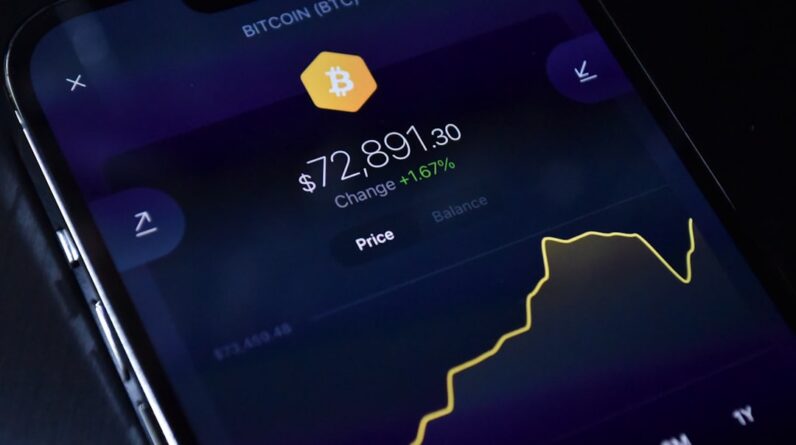
Have you ever wondered how much Bitcoin is the right amount for you to own? It’s a question that many are asking as cryptocurrency continues to gain traction and prominence in the financial world. With so much buzz around Bitcoin, it’s important for you to consider how much you might want to invest in it and what factors influence that decision.

Understanding Bitcoin
Bitcoin is more than just a digital currency; it’s a decentralized form of money that operates on blockchain technology. This technology enables secure transactions without a central authority, making it revolutionary in the financial sector. As you think about how much Bitcoin to own, it’s crucial to understand its core principles, how it works, and its potential benefits and risks.
What is Bitcoin?
Bitcoin was the first cryptocurrency, created in 2009 by an anonymous person (or group) known as Satoshi Nakamoto. It allows you to send or receive money without relying on traditional banks or financial institutions. Each Bitcoin can be broken down into smaller units, called satoshis, where one Bitcoin equals 100 million satoshis.
Why Consider Owning Bitcoin?
People invest in Bitcoin for several reasons: the potential for high returns, the ability to diversify their investment portfolio, and the growing acceptance of cryptocurrency in various sectors. However, as with any investment, especially one as volatile as Bitcoin, it’s vital to understand both the benefits and the risks before determining how much to own.
Factors to Consider When Deciding How Much Bitcoin to Own
Before you put any funds into Bitcoin, take a moment to reflect on your individual financial situation and investment goals. A few factors can inform your decision on how much Bitcoin you should own.
1. Financial Goals
Your financial goals play a significant role in determining how much Bitcoin you should invest in. Ask yourself what you want to achieve with your investment. Are you looking for short-term gains, or are you interested in long-term growth? Each approach may require different strategies and allocations.
2. Risk Tolerance
Understanding your risk tolerance is key to making any investment decision. Bitcoin is known for its price volatility; it can experience dramatic ups and downs in a short period. Consider how you would feel if your investment fluctuated significantly and how much risk you are willing to take on.
3. Investment Horizon
Your investment horizon is another critical factor. If you plan to hold Bitcoin for the long term, you might be more comfortable buying a larger amount. However, if you’re looking at it as a short-term investment, you might want to start small and gradually increase your position as you become more comfortable with the market.
4. Diversification
As with any investment strategy, diversification can help spread out your risk. If you already have investments in stocks, bonds, or other assets, you may choose to limit your Bitcoin holdings to balance your portfolio. Many experts recommend that no more than 5-10% of your total investment portfolio should be allocated to high-risk assets like Bitcoin.
5. Financial Situation
Your current financial situation should greatly influence how much Bitcoin you decide to own. Evaluate your income, expenses, savings, and any existing debts. Only invest money you can afford to lose without affecting your overall financial health.
How to Buy Bitcoin
If you’ve considered the factors above and are ready to invest, you’ll need to know how to acquire Bitcoin.
1. Choose a Wallet
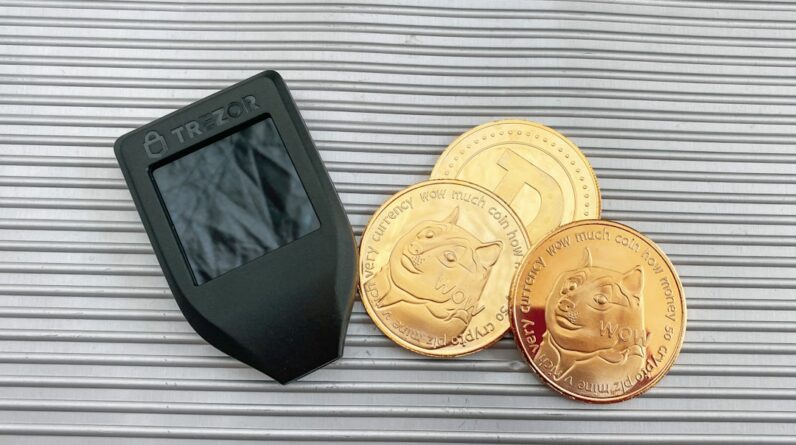
Before you buy Bitcoin, you’ll want to select a digital wallet to store it. Wallets come in various forms, including online, mobile, desktop, and hardware wallets. Each type has its pros and cons, so consider what features are important to you, such as security, convenience, and ease of access.
2. Selecting an Exchange
Buying Bitcoin typically involves purchasing it through an exchange. Some popular cryptocurrency exchanges include Binance, Coinbase, and Kraken. When choosing an exchange, keep in mind factors like transaction fees, the range of available cryptocurrencies, security measures, and user experience.
3. Funding Your Account
Once you’ve selected an exchange, you need to fund your account. This can be done using various payment methods, depending on the exchange. Options typically include bank transfers, credit/debit cards, and sometimes even PayPal. Be aware that different funding methods may have different fees and processing times.
4. Making the Purchase
After funding your account, you can place an order to buy Bitcoin. Most exchanges offer market orders, which buy at the current market price, or limit orders, allowing you to set a price at which you will buy Bitcoin. Consider what purchasing method aligns with your investment strategy.
5. Storing Your Bitcoin
Once you’ve made your purchase, you need to store your Bitcoin securely. While exchanges offer wallets, it’s typically safer to transfer your Bitcoin to a personal wallet, especially if you plan to hold it long-term. You can choose between hot wallets (connected to the internet) and cold wallets (offline storage).
The Potential of Bitcoin
Bitcoin has garnered significant attention over the years, not just as an investment but as a potential revolution in financial systems worldwide. However, it’s essential to consider its potential advantages and disadvantages.
Advantages of Holding Bitcoin
-
High Return Potential: Bitcoin has historically shown tremendous growth potential, with early adopters seeing significant returns on investment.
-
Liquidity: Bitcoin can be easily converted into cash or other cryptocurrencies, making it a highly liquid asset.
-
Decentralization: Unlike traditional currencies, Bitcoin is decentralized, meaning it is not controlled by any government or institution. This can offer a sense of financial freedom for many.
-
Global Transactions: Bitcoin allows for quick, borderless transactions, making it an attractive option for international transfers.
Disadvantages of Holding Bitcoin
-
Volatility: The price of Bitcoin can swing wildly, which can lead to significant financial loss. Prices can be influenced by market sentiment, regulatory news, and broader economic factors.
-
Lack of Regulation: The regulatory landscape surrounding Bitcoin is still evolving. Changes in regulations can impact your investment and the overall market.
-
Security Risks: While Bitcoin offers strong security features, it is still susceptible to hacks, scams, and phishing attacks.
-
Limited Use Cases: Although adoption of Bitcoin for transactions is growing, it’s still not as widely accepted as traditional currencies.

How Much Bitcoin Is Right for You?
Now that you understand the various factors to consider, it’s time to address how much Bitcoin may be right for you personally.
The 5% Rule
A common guideline is to invest no more than 5% of your overall portfolio into high-risk assets like Bitcoin. This can help protect your financial health while allowing you to take advantage of potential growth opportunities. If you have a total investment portfolio of $10,000, a 5% allocation would mean investing $500 in Bitcoin.
Dollar-Cost Averaging
Consider employing a strategy called dollar-cost averaging, where you invest a fixed amount of money at regular intervals, regardless of the price. This approach can mitigate some risks associated with volatility since it helps you avoid making a large investment during market peaks.
Starting Small
If you’re unsure about diving in, it’s okay to begin with a small investment. By purchasing a little Bitcoin at a time, you can gain exposure to the cryptocurrency market without the stress of committing a larger amount upfront. As your confidence grows and you become more educated about Bitcoin, you can consider increasing your investment.
Regularly Review Your Investment
The cryptocurrency market is continually changing. Regularly review your Bitcoin investment to ensure it still aligns with your financial goals and risk tolerance. Adjust your holdings as necessary to reflect any changes in your financial situation or investment strategy.
The Future of Bitcoin
As Bitcoin continues to evolve, predicting its future can be tricky. However, understanding the current trends and market movements can offer you better insights into what to expect.
Growing Adoption
More businesses are starting to accept Bitcoin as a form of payment, increasing its utility as digital currency. As acceptance grows, so may the value and stability of Bitcoin.
Institutional Interest
Institutional investors are increasingly entering the cryptocurrency market. Their interest could bring significant investment and, consequently, increased legitimacy to Bitcoin.
Regulatory Changes
Government regulations will shape the future of Bitcoin. Keeping an eye on potential legal regulations can give you important insight into how your investment might be affected.

Conclusion
The question of how much Bitcoin you should own is deeply personal and contingent upon multiple factors including financial goals, risk tolerance, and market conditions. Start by assessing your situation, investing wisely, and adapting as you learn more about this fascinating digital asset.
By keeping it friendly and informative, you can ensure that your journey into Bitcoin investing remains satisfying and aligned with your long-term aspirations. Remember, patience and prudence are essential in this landscape!