Inflation is a term that you may have encountered frequently in discussions about the economy, but its implications can be far-reaching and complex. At its core, inflation refers to the general increase in prices of goods and services over time, which results in a decrease in the purchasing power of money. When inflation rises, you may find that your dollar does not stretch as far as it once did, leading to increased costs for everyday items such as groceries, gas, and housing.
This phenomenon can create a ripple effect throughout the economy, affecting everything from consumer spending to investment strategies. The impact of inflation is not uniform; it can vary significantly based on various factors, including geographic location, income level, and the specific goods and services you consume. For instance, if you live in an area where housing prices are skyrocketing, you may feel the pinch of inflation more acutely than someone in a region with stable real estate prices.
Additionally, inflation can erode savings, as the value of money diminishes over time. This can lead to a sense of urgency to invest or spend rather than save, further complicating economic stability. Understanding these dynamics is crucial for navigating your financial landscape effectively.
Key Takeaways
- Inflation is the rate at which the general level of prices for goods and services is rising, leading to a decrease in purchasing power.
- Cryptocurrency, such as Bitcoin and Ethereum, is a digital or virtual form of currency that uses cryptography for security and operates independently of a central bank.
- Cryptocurrency has the potential to combat inflation by providing an alternative store of value and medium of exchange that is not subject to government manipulation.
- However, challenges and risks of using cryptocurrency to end inflation include price volatility, lack of regulation, and potential for fraud and cyber attacks.
- Countries like Venezuela and Zimbabwe have turned to cryptocurrency, such as Petro and Bitcoin, to address hyperinflation and economic instability.
The Role of Cryptocurrency in the Economy
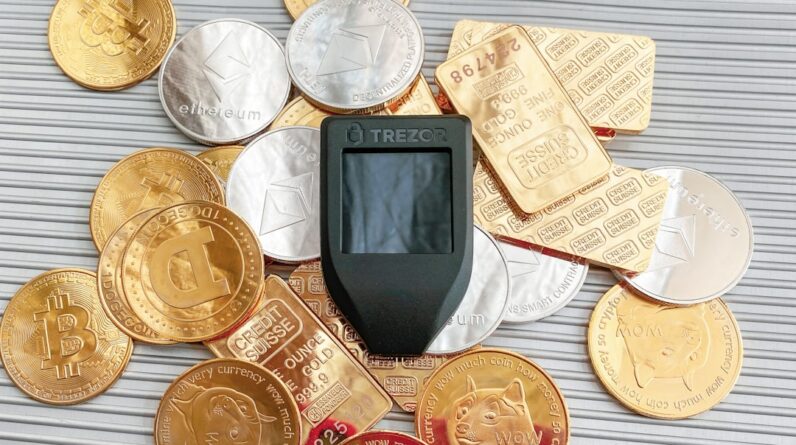
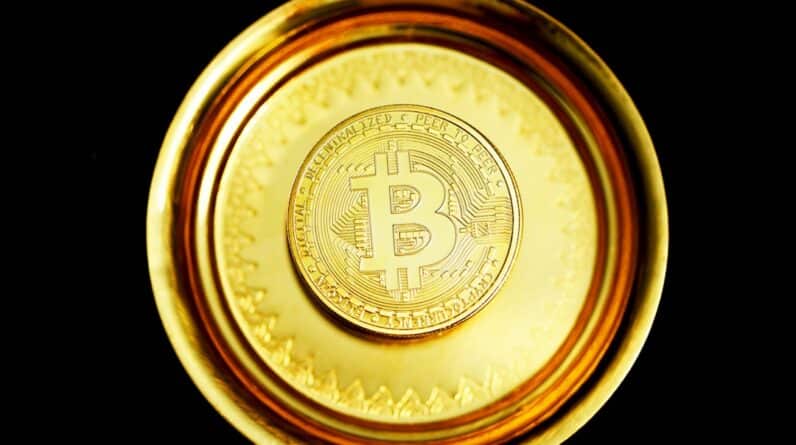
Cryptocurrency has emerged as a significant player in the modern economic landscape, offering an alternative to traditional fiat currencies. As you delve into the world of digital currencies like Bitcoin and Ethereum, you may find that they operate on decentralized networks using blockchain technology. This decentralization means that cryptocurrencies are not controlled by any single entity, such as a government or central bank, which can be appealing in times of economic uncertainty.
The allure of cryptocurrencies lies in their potential to provide a hedge against inflation and a means of preserving wealth. Moreover, cryptocurrencies can facilitate faster and cheaper transactions compared to traditional banking systems. If you’ve ever experienced delays or high fees when transferring money internationally, you might appreciate the efficiency that cryptocurrencies can offer.
With their ability to bypass intermediaries, cryptocurrencies can empower individuals and businesses alike to engage in commerce without the constraints imposed by traditional financial institutions. This shift could democratize access to financial services, particularly for those in underbanked regions of the world.
Potential Benefits of Cryptocurrency in Combatting Inflation
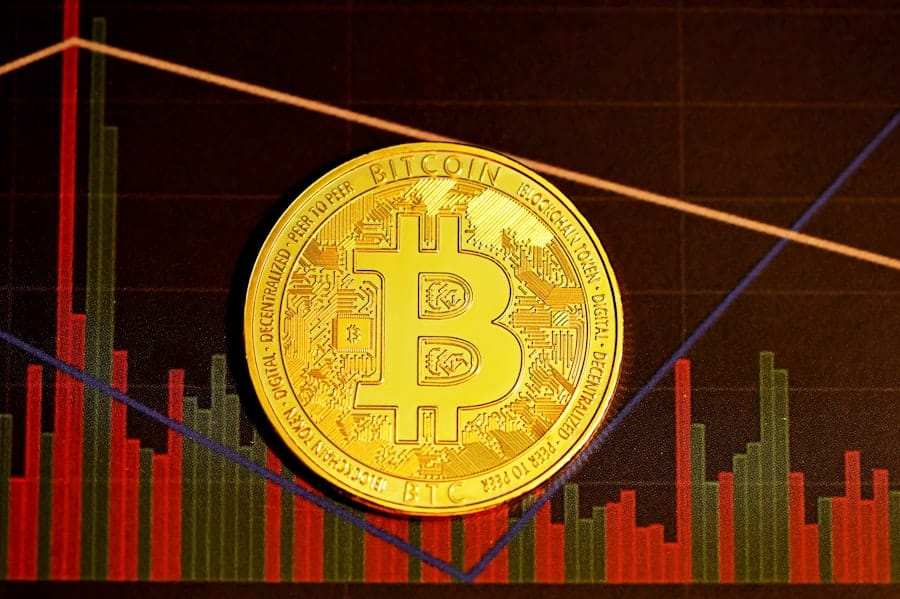
One of the most compelling arguments for using cryptocurrency as a tool against inflation is its limited supply. Many cryptocurrencies, such as Bitcoin, have a capped maximum supply, which means that no more than a certain number of coins will ever be created. This scarcity can create a deflationary effect, contrasting sharply with fiat currencies that can be printed at will by central banks.
As you consider investing in cryptocurrencies, this aspect may resonate with your desire for a more stable store of value in an inflationary environment. Additionally, cryptocurrencies can provide an avenue for individuals to protect their wealth from the devaluation associated with inflation. By converting your savings into digital assets, you may find that you are better insulated from the economic forces that erode purchasing power.
This shift could empower you to take control of your financial future and make informed decisions about how to allocate your resources. Furthermore, as more people adopt cryptocurrencies as a means of transaction and investment, their legitimacy and acceptance could grow, potentially leading to greater stability in their value.
Challenges and Risks of Using Cryptocurrency to End Inflation
While the potential benefits of cryptocurrency in combatting inflation are enticing, it is essential to recognize the challenges and risks associated with this approach. One significant concern is the volatility inherent in cryptocurrency markets. Prices can fluctuate dramatically within short periods, which may deter you from using them as a reliable store of value.
If you were to invest in cryptocurrencies with the hope of preserving your wealth during inflationary times, you might find yourself facing unexpected losses due to market swings. Moreover, regulatory uncertainty poses another challenge for the widespread adoption of cryptocurrencies as a solution to inflation. Governments around the world are still grappling with how to regulate digital currencies effectively.
If regulations become overly restrictive or punitive, it could stifle innovation and limit your ability to use cryptocurrencies freely. Additionally, concerns about security and fraud in the cryptocurrency space may make you hesitant to fully embrace this new financial frontier. As you weigh the pros and cons, it’s crucial to stay informed about these risks and consider how they might impact your financial decisions.
Case Studies of Countries Using Cryptocurrency to Address Inflation
Several countries have begun exploring the use of cryptocurrency as a means to combat inflation and stabilize their economies. For instance, Venezuela has faced hyperinflation for years, leading many citizens to turn to cryptocurrencies like Bitcoin as an alternative to their rapidly devaluing national currency. In this context, you might find it interesting that many Venezuelans have used digital currencies for remittances or as a way to conduct transactions without relying on local banks.
Similarly, countries like Zimbabwe have also experienced severe inflationary pressures that have driven citizens toward cryptocurrencies. In these cases, individuals have sought refuge in digital assets as a way to preserve their wealth and conduct transactions outside the traditional banking system. As you examine these case studies, it becomes evident that while cryptocurrencies may not be a panacea for all economic woes, they can offer practical solutions for those grappling with hyperinflation and currency instability.
Regulatory and Legal Considerations for Implementing Cryptocurrency to End Inflation

As you consider the role of cryptocurrency in addressing inflation, it’s essential to understand the regulatory landscape surrounding digital currencies. Governments worldwide are increasingly recognizing the need for clear guidelines on how cryptocurrencies should be treated within their jurisdictions. This regulatory framework can significantly impact your ability to use cryptocurrencies effectively as a hedge against inflation.
In some countries, regulatory bodies have embraced cryptocurrencies and established frameworks that promote innovation while ensuring consumer protection. However, in others, there may be significant restrictions or outright bans on cryptocurrency transactions. As you navigate this evolving landscape, staying informed about local regulations will be crucial for making sound financial decisions regarding cryptocurrency investments or usage.
The Future of Cryptocurrency in the Fight Against Inflation
Looking ahead, the future of cryptocurrency in combating inflation remains uncertain yet promising. As more individuals and businesses recognize the potential benefits of digital currencies, their adoption could continue to grow. You may find that advancements in technology and increased acceptance by mainstream financial institutions could lead to greater stability and usability for cryptocurrencies.
Moreover, ongoing developments in blockchain technology could enhance security and transparency within cryptocurrency transactions. As these innovations unfold, they may address some of the concerns surrounding volatility and fraud that currently hinder broader adoption. If you remain engaged with these trends and developments, you might discover new opportunities for leveraging cryptocurrency as part of your financial strategy.
Expert Opinions and Perspectives on the Viability of Crypto in Ending Inflation
To gain deeper insights into the viability of cryptocurrency as a solution for inflationary pressures, it’s valuable to consider expert opinions from economists and financial analysts. Many experts acknowledge that while cryptocurrencies offer unique advantages—such as decentralization and limited supply—they also come with inherent risks that cannot be overlooked. Some argue that until cryptocurrencies achieve greater stability and regulatory clarity, they may not serve as reliable tools for combating inflation on a large scale.
Conversely, other experts advocate for the potential of cryptocurrencies to disrupt traditional financial systems positively. They argue that as more people turn to digital currencies during times of economic uncertainty, it could lead to a paradigm shift in how we view money and value preservation. By staying attuned to these expert perspectives, you can better understand the evolving role of cryptocurrency in addressing inflation and make informed decisions about your financial future.
In conclusion, while cryptocurrency presents both opportunities and challenges in the fight against inflation, its potential cannot be dismissed outright. As you navigate this complex landscape, consider how digital currencies might fit into your financial strategy and whether they align with your goals for wealth preservation and growth amidst economic uncertainty.
FAQs
What is inflation?
Inflation is the rate at which the general level of prices for goods and services is rising, and subsequently, the purchasing power of currency is falling.
What is cryptocurrency?
Cryptocurrency is a digital or virtual currency that uses cryptography for security and operates independently of a central bank.
How could crypto potentially end inflation?
Some proponents of cryptocurrency argue that its decentralized nature and limited supply could potentially mitigate the effects of inflation by providing an alternative store of value.
What are the limitations of crypto in ending inflation?
Cryptocurrency’s volatility, regulatory uncertainty, and lack of widespread adoption currently limit its ability to effectively end inflation on a global scale.
What are the potential risks of relying on crypto to end inflation?
Relying solely on cryptocurrency to end inflation could lead to increased financial instability and market speculation, as well as potential security and privacy concerns.