
Crypto cards are a revolutionary financial tool that bridges the gap between traditional currency and digital assets. These cards allow you to spend your cryptocurrency in everyday transactions, just like you would with a standard debit or credit card. By linking your crypto wallet to a card, you can make purchases at millions of merchants worldwide, both online and in physical stores.
This innovation has made it easier for you to utilize your digital assets without the need for complex exchanges or conversions. The concept of crypto cards is rooted in the growing acceptance of cryptocurrencies as a legitimate form of payment. As more businesses begin to recognize the value of digital currencies, the demand for user-friendly solutions like crypto cards has surged.
These cards often come with additional features, such as rewards programs and cashback incentives, making them an attractive option for those looking to maximize their spending power while engaging with their crypto holdings.
Key Takeaways
- Crypto cards are physical or virtual cards that allow users to spend their cryptocurrency at traditional payment terminals.
- Crypto cards work by converting cryptocurrency into fiat currency at the point of sale, allowing for seamless transactions.
- Benefits of using crypto cards include the ability to spend cryptocurrency at any merchant that accepts traditional payment methods, as well as the potential for rewards and cashback.
- Drawbacks of using crypto cards include potential fees, limited acceptance at merchants, and the need to convert cryptocurrency to fiat currency.
- Popular crypto card options include Coinbase Card, BitPay Card, and Crypto.com Visa Card.
- To get a crypto card, users can apply for one through a crypto card provider and undergo a verification process.
- Security considerations when using crypto cards include the risk of theft or hacking, as well as the need to keep private keys and passwords secure.
- The future of crypto cards is promising, with potential advancements in technology and increased acceptance at merchants worldwide.
How do Crypto Cards work?
Understanding how crypto cards work is essential for anyone considering using one. When you obtain a crypto card, it is typically linked to a digital wallet that holds your cryptocurrencies. When you make a purchase, the card provider converts the necessary amount of cryptocurrency into the local currency at the point of sale.
This process happens almost instantaneously, allowing you to pay seamlessly without worrying about the complexities of currency conversion. The mechanics behind this conversion are facilitated by the card issuer, which often partners with payment networks like Visa or Mastercard. This partnership enables your crypto card to be accepted at a vast array of merchants globally.
Additionally, some crypto cards allow you to choose which cryptocurrency to use for each transaction, giving you flexibility in managing your assets. This feature can be particularly beneficial if you want to take advantage of favorable exchange rates or specific market conditions.
Benefits of using Crypto Cards

One of the most significant benefits of using crypto cards is the convenience they offer. You can easily access your digital assets and use them for everyday purchases without needing to convert them into fiat currency beforehand. This ease of use can encourage you to spend your cryptocurrencies more freely, integrating them into your daily financial activities.
Moreover, many crypto cards come with mobile apps that allow you to track your spending, manage your assets, and even receive notifications about market trends. Another advantage is the potential for rewards and incentives. Many crypto card providers offer cashback on purchases or rewards in the form of cryptocurrency for using their cards.
This can be an appealing way for you to earn additional digital assets while making regular purchases. Additionally, some cards provide exclusive access to events or discounts at partner merchants, enhancing the overall value of using a crypto card.
Drawbacks of using Crypto Cards
Despite their many advantages, crypto cards also come with certain drawbacks that you should consider before making a decision. One significant concern is the volatility of cryptocurrencies. The value of your digital assets can fluctuate dramatically within short periods, which may affect how much you spend when using a crypto card.
If the value of your cryptocurrency drops significantly after you’ve made a purchase, you could end up losing money compared to if you had used fiat currency. Another drawback is the fees associated with crypto cards. While some providers offer competitive rates, others may charge high transaction fees or monthly maintenance fees that can eat into your savings.
It’s essential to read the fine print and understand the fee structure before committing to a specific card. Additionally, not all merchants accept crypto cards yet, which may limit your spending options compared to traditional payment methods.
Popular Crypto Card options
As the market for crypto cards continues to grow, several options have emerged as popular choices among users. One well-known option is the Coinbase Card, which allows you to spend your cryptocurrency directly from your Coinbase account. With no annual fees and the ability to earn rewards on purchases, this card has gained traction among those who already use Coinbase as their primary exchange.
Another popular choice is the Binance Card, which offers users the ability to convert their Binance Coin (BNB) and other cryptocurrencies into fiat currency for spending. This card also provides cashback rewards and has no monthly fees, making it an attractive option for frequent traders. Additionally, platforms like Crypto.com and BitPay have introduced their own cards, each with unique features and benefits tailored to different user needs.
How to get a Crypto Card
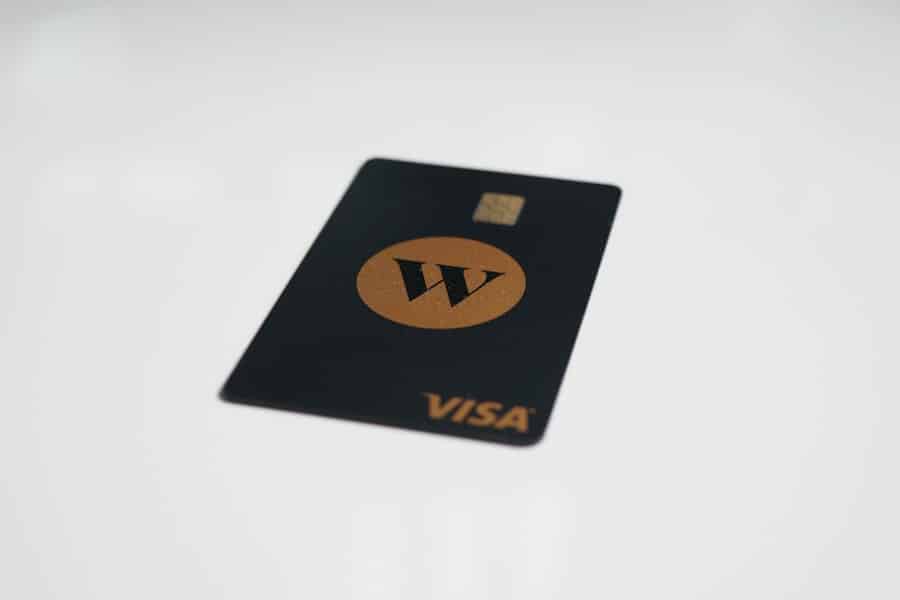
Choosing the Right Card Provider
First, you’ll need to select a card provider that aligns with your needs and preferences. Research various options and compare their features, fees, and supported cryptocurrencies to find the best fit for you.
Setting Up Your Account
Once you’ve made your selection, you’ll typically need to create an account with the provider and complete any necessary identity verification processes. After your account is set up and verified, you can apply for the card itself. This may involve providing additional information about your financial situation and agreeing to the terms and conditions set by the provider.
Receiving and Activating Your Card
Once approved, you’ll receive your card in the mail within a few weeks. After activating it, you can link it to your digital wallet and start using it for transactions right away.
Security considerations when using Crypto Cards
When using crypto cards, security should be a top priority for you as a user. Since these cards are linked to your digital assets, any potential vulnerabilities could lead to significant financial losses. One crucial aspect of security is ensuring that you choose a reputable card provider with strong security measures in place.
Look for features such as two-factor authentication (2FA), encryption protocols, and insurance against fraud or theft. Additionally, it’s essential to practice good personal security habits when using your crypto card. This includes regularly monitoring your account for unauthorized transactions and keeping your wallet credentials secure.
Be cautious when sharing personal information online and avoid using public Wi-Fi networks when accessing your accounts or making transactions. By taking these precautions, you can help protect yourself from potential threats while enjoying the benefits of using a crypto card.
The future of Crypto Cards
The future of crypto cards looks promising as more people embrace cryptocurrencies as part of their financial lives. As adoption continues to grow, we can expect innovations in technology and features that enhance user experience and security. For instance, advancements in blockchain technology may lead to faster transaction times and lower fees, making crypto cards even more appealing.
Moreover, as regulatory frameworks around cryptocurrencies evolve, we may see increased acceptance from merchants and financial institutions alike. This could lead to a broader range of spending options for users and further integration of cryptocurrencies into everyday life. As these developments unfold, crypto cards are likely to become an essential tool for managing digital assets and participating in the global economy.
In conclusion, crypto cards represent an exciting intersection between traditional finance and the burgeoning world of digital currencies. By understanding how they work, weighing their benefits against potential drawbacks, and staying informed about security considerations, you can make informed decisions about incorporating them into your financial toolkit. As the landscape continues to evolve, staying ahead of trends will empower you to navigate this dynamic space effectively.