To grasp the concept of cryptocurrency, you must first recognize that it represents a revolutionary shift in how we perceive and utilize money. Unlike traditional currencies issued by governments, cryptocurrencies are decentralized digital assets that rely on blockchain technology to secure transactions and control the creation of new units. This decentralized nature means that no single entity, such as a bank or government, has control over the currency, which can lead to greater financial freedom for users.
You may find it fascinating that Bitcoin, the first and most well-known cryptocurrency, was created in 2009 by an anonymous person or group known as Satoshi Nakamoto. Since then, thousands of alternative cryptocurrencies have emerged, each with unique features and purposes. As you delve deeper into the world of cryptocurrency, you’ll discover that it operates on a peer-to-peer network, allowing users to send and receive funds directly without intermediaries.
This not only reduces transaction fees but also speeds up the process significantly. Cryptocurrencies utilize cryptographic techniques to ensure the security and integrity of transactions, making it nearly impossible to counterfeit or double-spend. As you explore this digital landscape, you may encounter terms like “mining,” “wallets,” and “exchanges,” all of which play crucial roles in the functioning of cryptocurrencies.
Understanding these concepts will empower you to navigate the cryptocurrency ecosystem more effectively.
Key Takeaways
- Cryptocurrency is a digital or virtual form of currency that uses cryptography for security and operates independently of a central bank.
- The rise of cryptocurrency in online transactions has led to increased acceptance by online retailers and a growing number of consumers using it for purchases.
- Pros of using cryptocurrency for online purchases include lower transaction fees, faster transactions, and increased privacy. Cons include price volatility and limited acceptance.
- To use cryptocurrency for online shopping, consumers need to set up a digital wallet, acquire cryptocurrency, and find online retailers that accept it as a form of payment.
- Popular online retailers that accept cryptocurrency include Overstock, Shopify, and Newegg, providing consumers with more options for using their digital currency.
- Security and privacy concerns with using cryptocurrency for online transactions include the risk of hacking, lack of regulation, and potential for identity theft.
- The future of cryptocurrency in online shopping is expected to continue growing as more retailers and consumers embrace the benefits and convenience of digital currency.
- Tips for safely using cryptocurrency for online purchases include researching the retailer’s reputation, using secure and reputable digital wallets, and staying informed about the latest security measures and best practices.
The Rise of Cryptocurrency in Online Transactions
In recent years, you may have noticed a significant surge in the adoption of cryptocurrency for online transactions. This rise can be attributed to several factors, including the increasing acceptance of digital currencies by businesses and consumers alike. As more people become aware of the benefits associated with cryptocurrencies—such as lower transaction fees, faster processing times, and enhanced privacy—many are opting to use them for online purchases.
This shift is not just a passing trend; it represents a fundamental change in how we conduct financial transactions in the digital age. Moreover, the COVID-19 pandemic accelerated the shift towards online shopping, prompting many retailers to explore alternative payment methods. As traditional payment systems faced challenges during lockdowns and social distancing measures, cryptocurrencies emerged as a viable solution.
You might find it interesting that major companies like Tesla and PayPal have begun accepting cryptocurrencies, further legitimizing their use in everyday transactions. This growing acceptance has led to an increase in the number of platforms and services that facilitate cryptocurrency payments, making it easier than ever for you to engage in online shopping using digital currencies.
Pros and Cons of Using Cryptocurrency for Online Purchases

When considering whether to use cryptocurrency for your online purchases, it’s essential to weigh the pros and cons carefully. On the positive side, one of the most significant advantages is the potential for lower transaction fees compared to traditional payment methods. Credit card companies often charge merchants a percentage of each sale, which can add up over time.
In contrast, cryptocurrency transactions typically involve minimal fees, allowing both consumers and businesses to save money. Another benefit is the enhanced privacy that cryptocurrencies can offer. When you make a purchase using a credit card or bank transfer, your personal information is often shared with multiple parties, increasing the risk of data breaches.
With cryptocurrencies, your transactions can be conducted pseudonymously, providing an extra layer of security for your sensitive information. Additionally, the speed of cryptocurrency transactions can be a game-changer for online shopping. While traditional bank transfers may take several days to process, cryptocurrency transactions can be completed within minutes.
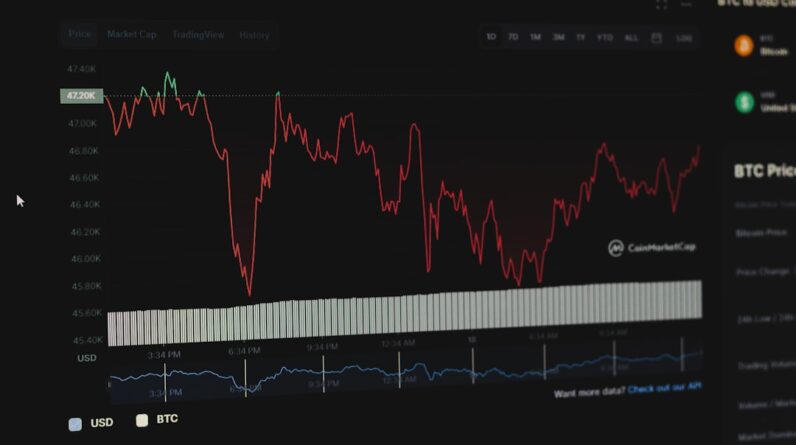
However, there are also drawbacks to consider. One significant concern is the volatility of cryptocurrency prices. The value of digital currencies can fluctuate dramatically within short periods, which may lead to uncertainty when making purchases.
You might find yourself paying significantly more or less for an item depending on when you decide to make your transaction. Furthermore, not all retailers accept cryptocurrencies yet, which can limit your options when shopping online. Another potential downside is the lack of consumer protections that traditional payment methods offer.
If you encounter issues with a purchase made using cryptocurrency—such as fraud or non-delivery—you may have limited recourse for recovering your funds. This lack of regulation can make some consumers hesitant to embrace cryptocurrencies for their online shopping needs.
How to Use Cryptocurrency for Online Shopping
If you’re interested in using cryptocurrency for your online shopping endeavors, you’ll need to familiarize yourself with a few essential steps. First and foremost, you’ll need to acquire some cryptocurrency. This typically involves creating an account on a cryptocurrency exchange where you can buy digital currencies using traditional money.
Popular exchanges like Coinbase or Binance allow you to purchase various cryptocurrencies with ease. Once you’ve acquired your desired amount of cryptocurrency, you’ll need a secure wallet to store it safely. There are different types of wallets available—ranging from hardware wallets that store your cryptocurrency offline to software wallets that operate on your computer or mobile device.
Each type has its advantages and disadvantages regarding security and convenience. As you choose a wallet, consider factors such as ease of use and security features to ensure your digital assets remain protected. Once you’ve set up your wallet and acquired cryptocurrency, you’re ready to start shopping online!
When you visit an online retailer that accepts cryptocurrency as a payment method, you’ll typically find an option at checkout to pay with your chosen digital currency. You’ll need to enter your wallet address or scan a QR code provided by the retailer to complete the transaction. It’s essential to double-check the amount you’re sending and ensure you’re sending it to the correct address since cryptocurrency transactions are irreversible.
Popular Online Retailers that Accept Cryptocurrency
As you explore the world of online shopping with cryptocurrency, you’ll be pleased to discover that many popular retailers now accept digital currencies as payment. For instance, major e-commerce platforms like Overstock and Newegg have embraced cryptocurrencies, allowing you to purchase everything from furniture to electronics using Bitcoin and other digital assets. These retailers recognize the growing demand for alternative payment methods and are eager to cater to tech-savvy consumers like yourself.
In addition to e-commerce giants, several well-known brands have also started accepting cryptocurrencies directly on their websites. For example, companies like Shopify enable merchants using their platform to accept various cryptocurrencies as payment options. This means that countless small businesses are also joining the movement toward accepting digital currencies, expanding your choices even further.
Moreover, some luxury brands have begun accepting cryptocurrencies as well. High-end fashion retailers like Gucci and Prada have started exploring this payment method, allowing you to indulge in luxury items while utilizing your digital assets. As more businesses recognize the potential benefits of accepting cryptocurrencies—such as attracting new customers and reducing transaction fees—you can expect this trend to continue growing in the future.
Security and Privacy Concerns with Using Cryptocurrency for Online Transactions

While using cryptocurrency for online transactions offers numerous advantages, it’s crucial to remain vigilant about security and privacy concerns. One primary issue is the risk of hacking and theft associated with digital wallets and exchanges. Cybercriminals often target exchanges due to their large volumes of assets held on behalf of users.
To protect yourself from potential losses, it’s essential to choose reputable exchanges with strong security measures in place. Additionally, consider using hardware wallets for storing your cryptocurrency long-term. These devices keep your private keys offline, making them less susceptible to hacking attempts compared to software wallets connected to the internet.
Regularly updating your wallet software and enabling two-factor authentication can also enhance your security when engaging in online transactions. Privacy is another critical concern when using cryptocurrencies for online purchases. While many cryptocurrencies offer pseudonymity, some are more private than others.
For instance, Bitcoin transactions are recorded on a public ledger that can potentially be traced back to individual users if their wallet addresses are linked to their identities. If privacy is a top priority for you, consider exploring privacy-focused cryptocurrencies like Monero or Zcash that offer enhanced anonymity features.
The Future of Cryptocurrency in Online Shopping
As you look ahead at the future of cryptocurrency in online shopping, it’s clear that this digital currency revolution is just beginning. The increasing acceptance of cryptocurrencies by both consumers and retailers suggests that they will play an increasingly prominent role in e-commerce transactions moving forward. With advancements in technology and growing awareness about the benefits of digital currencies, you can expect more businesses to adopt this payment method in the coming years.
Moreover, innovations such as decentralized finance (DeFi) are likely to reshape how we think about online shopping altogether. DeFi platforms enable users to lend, borrow, and trade cryptocurrencies without intermediaries like banks or financial institutions. This could lead to new ways for consumers like yourself to engage with retailers and make purchases using digital assets seamlessly.
Additionally, regulatory developments will play a significant role in shaping the future landscape of cryptocurrency in online shopping. As governments around the world begin to establish clearer guidelines for digital currencies, you may see increased consumer protections and greater legitimacy for cryptocurrencies as a payment method. This could further encourage businesses to embrace this technology and expand their offerings.
Tips for Safely Using Cryptocurrency for Online Purchases
To ensure a safe experience while using cryptocurrency for your online purchases, consider implementing several best practices. First and foremost, always conduct thorough research before choosing an exchange or wallet provider. Look for platforms with strong reputations and positive user reviews to minimize risks associated with hacking or fraud.
When making purchases online with cryptocurrency, double-check all transaction details before confirming any payments. Since cryptocurrency transactions are irreversible, sending funds to an incorrect address could result in permanent loss of your assets. Take your time during checkout and verify that you’re sending the correct amount to the right recipient.
Additionally, consider keeping only a small portion of your cryptocurrency holdings on exchanges or software wallets while storing the majority in more secure hardware wallets. This strategy minimizes exposure to potential hacks while still allowing you access for everyday transactions. Lastly, stay informed about developments in the cryptocurrency space by following reputable news sources and engaging with communities focused on digital currencies.
By staying educated about trends and potential risks associated with using cryptocurrencies for online shopping, you’ll be better equipped to navigate this exciting new frontier safely and confidently. In conclusion, as you explore the world of cryptocurrency for online shopping, understanding its intricacies will empower you to make informed decisions while enjoying its benefits. Whether you’re drawn by lower fees or enhanced privacy features, embracing this digital currency revolution could transform how you shop online in ways you’ve yet to imagine.
FAQs
What is cryptocurrency?
Cryptocurrency is a digital or virtual form of currency that uses cryptography for security and operates independently of a central bank.
Can I use cryptocurrency to buy stuff online?
Yes, many online retailers and businesses accept cryptocurrency as a form of payment. However, acceptance of cryptocurrency varies by retailer and may not be as widely accepted as traditional forms of payment.
What are some popular cryptocurrencies that can be used for online purchases?
Some popular cryptocurrencies that can be used for online purchases include Bitcoin, Ethereum, Litecoin, and Ripple.
How do I use cryptocurrency to make online purchases?
To use cryptocurrency for online purchases, you will need to have a digital wallet and the retailer will need to accept the specific cryptocurrency you want to use. You will then transfer the appropriate amount of cryptocurrency from your wallet to the retailer’s wallet to complete the purchase.
Are there any risks associated with using cryptocurrency for online purchases?
Yes, there are risks associated with using cryptocurrency for online purchases, including price volatility, security concerns, and potential for fraud. It’s important to research and understand these risks before using cryptocurrency for online purchases.