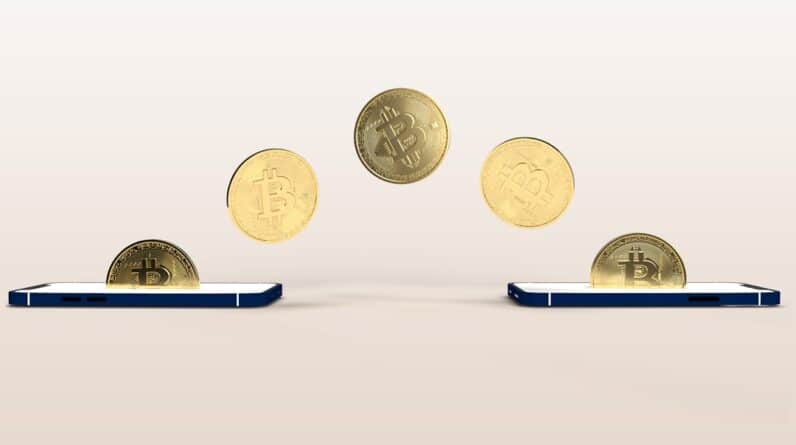
When you embark on your cryptocurrency journey, one of the first and most crucial decisions you will face is selecting a cryptocurrency wallet. A wallet serves as your digital vault, where you store your cryptocurrencies securely. There are various types of wallets available, each with its own set of features, advantages, and disadvantages.
You can choose from hardware wallets, software wallets, mobile wallets, and even paper wallets. Each option caters to different needs and levels of security, so it’s essential to assess what aligns best with your requirements. Hardware wallets are often considered the gold standard for security.
These physical devices store your private keys offline, making them less susceptible to hacking attempts. If you plan to hold a significant amount of cryptocurrency or intend to invest for the long term, a hardware wallet might be the best choice for you. On the other hand, if you prefer convenience and ease of access for daily transactions, a software or mobile wallet could be more suitable.
These wallets allow you to manage your assets on-the-go but come with increased risks since they are connected to the internet. Ultimately, your choice should reflect your investment strategy and how frequently you plan to access your funds.
Key Takeaways
- Choose a cryptocurrency wallet based on your needs, considering factors such as security, convenience, and supported cryptocurrencies.
- Setting up a cryptocurrency wallet involves creating a strong password, backing up your wallet, and enabling two-factor authentication for added security.
- When sending cryptocurrency, double-check the recipient’s wallet address to avoid sending funds to the wrong destination.
- When receiving cryptocurrency, share your wallet address with the sender and verify the transaction on the blockchain for added security.
- Understand transaction fees associated with cryptocurrency transactions, including network fees and exchange fees, to avoid unexpected costs.
Setting Up a Cryptocurrency Wallet
Once you’ve chosen the type of wallet that suits your needs, the next step is setting it up. This process can vary depending on the wallet type you select. For hardware wallets, you will typically need to connect the device to your computer and follow the manufacturer’s instructions to initialize it.
This often involves creating a secure PIN and generating a recovery phrase, which is crucial for recovering your wallet in case of loss or damage. It’s vital that you write down this recovery phrase and store it in a safe place, as losing it could mean losing access to your funds permanently. If you opt for a software or mobile wallet, the setup process is generally more straightforward.
You can download the application from a trusted source and create an account by providing some basic information. After setting up your account, you will also be prompted to create a secure password and may receive a recovery phrase similar to that of hardware wallets. Regardless of the type of wallet you choose, always ensure that you enable two-factor authentication (2FA) if available.
This adds an extra layer of security by requiring a second form of verification when accessing your wallet.
Sending Cryptocurrency
Once your wallet is set up and funded, you may want to send cryptocurrency to another user or exchange. The process of sending cryptocurrency is relatively simple but requires careful attention to detail. To initiate a transaction, you will need the recipient’s wallet address, which is a unique string of characters that identifies their wallet.
It’s crucial to double-check this address before proceeding, as sending funds to an incorrect address can result in irreversible loss. After entering the recipient’s address, you will specify the amount of cryptocurrency you wish to send. Most wallets will also allow you to add a note or message for the recipient, which can be helpful for record-keeping purposes.
Before finalizing the transaction, take a moment to review all details carefully. Once you confirm the transaction, it will be broadcasted to the network for processing. Depending on the cryptocurrency and network congestion, it may take some time for the transaction to be confirmed and reflected in the recipient’s wallet.
Receiving Cryptocurrency
Receiving cryptocurrency is just as straightforward as sending it. To receive funds, all you need is your wallet address, which can usually be found within your wallet application. Most wallets provide an option to copy your address directly or generate a QR code that others can scan for easy access.
Sharing this address with the sender is all that’s required for them to initiate the transfer. Once the sender has completed the transaction, it will be processed by the network and eventually confirmed. You can monitor the status of incoming transactions through your wallet interface or by using blockchain explorers specific to the cryptocurrency you are receiving.
These tools allow you to track transactions in real-time and verify when they have been successfully added to your wallet. It’s important to remember that while receiving cryptocurrency is generally quick, confirmation times can vary based on network activity.
Understanding Transaction Fees
Transaction fees are an integral part of cryptocurrency transactions that you must understand as an active participant in this space. When sending or receiving cryptocurrency, miners or validators on the network typically charge fees for processing transactions. These fees can fluctuate based on network demand; during peak times, they may increase significantly due to higher competition among users wanting their transactions prioritized.
As a user, you often have some control over these fees. Many wallets allow you to choose between different fee levels when sending funds—higher fees usually result in faster transaction confirmations, while lower fees may lead to longer wait times. It’s wise to assess current network conditions before deciding on a fee level; if you’re not in a hurry, opting for a lower fee can save you money without sacrificing security.
Ensuring Security in Cryptocurrency Transactions

Security should always be at the forefront of your mind when engaging in cryptocurrency transactions. The decentralized nature of cryptocurrencies means that once a transaction is confirmed on the blockchain, it cannot be reversed or altered. Therefore, taking proactive measures to secure your assets is essential.
Start by ensuring that your wallet is protected with strong passwords and two-factor authentication wherever possible. Additionally, be cautious about sharing sensitive information related to your wallet or transactions. Phishing attacks are common in the cryptocurrency space; scammers often impersonate legitimate services to steal personal information or funds.
Always verify URLs and avoid clicking on suspicious links in emails or messages. Regularly updating your software and keeping backups of your wallet can also help mitigate risks associated with potential hacks or device failures.
Dealing with Cryptocurrency Exchanges
Cryptocurrency exchanges play a pivotal role in buying and selling digital assets, but navigating these platforms can be daunting if you’re new to them. When choosing an exchange, consider factors such as security features, user interface, trading fees, and available cryptocurrencies. Some exchanges cater specifically to beginners with user-friendly interfaces and educational resources, while others may offer advanced trading options for experienced users.
Once you’ve selected an exchange and created an account, you’ll typically need to complete identity verification before trading can commence. This process may involve submitting personal information and documents for compliance with regulations. After verification, you can deposit funds into your exchange account and start trading cryptocurrencies.
However, always remember that keeping large amounts of cryptocurrency on exchanges can expose you to risks; consider transferring your assets back into your secure wallet after trading.
Staying Informed About Cryptocurrency Regulations
The regulatory landscape surrounding cryptocurrencies is constantly evolving, making it essential for you to stay informed about any changes that may affect your investments or transactions. Different countries have varying approaches to cryptocurrency regulation; some embrace it while others impose strict restrictions or outright bans. Understanding these regulations can help you navigate legal requirements and avoid potential pitfalls.
To stay updated on regulatory developments, consider following reputable news sources dedicated to cryptocurrency and finance. Engaging with online communities and forums can also provide valuable insights from other users who share their experiences regarding regulations in different jurisdictions. By remaining informed about regulatory changes, you can make more educated decisions regarding your investments and ensure compliance with local laws.
In conclusion, navigating the world of cryptocurrency requires careful consideration and informed decision-making at every step—from choosing a wallet to understanding transaction fees and regulations. By taking the time to educate yourself about these aspects, you can enhance your experience in this dynamic digital landscape while safeguarding your assets effectively.
FAQs
What is cryptocurrency?
Cryptocurrency is a digital or virtual form of currency that uses cryptography for security and operates independently of a central bank.
How do I send cryptocurrency?
To send cryptocurrency, you will need the recipient’s wallet address. Then, you can use a cryptocurrency wallet or exchange platform to initiate the transfer by entering the recipient’s wallet address and the amount of cryptocurrency you want to send.
How do I receive cryptocurrency?
To receive cryptocurrency, you will need to provide the sender with your wallet address. Once the sender initiates the transfer, the cryptocurrency will be sent to your wallet address and will be available for you to use.
What are the fees for sending and receiving cryptocurrency?
The fees for sending and receiving cryptocurrency vary depending on the cryptocurrency network and the amount being transacted. These fees are typically used to compensate miners for validating and processing transactions on the network.
Is it safe to send and receive cryptocurrency?
Sending and receiving cryptocurrency can be safe if proper security measures are taken, such as using a secure wallet, keeping your private keys safe, and verifying the recipient’s wallet address before sending any cryptocurrency. It’s important to be cautious of potential scams and phishing attempts.