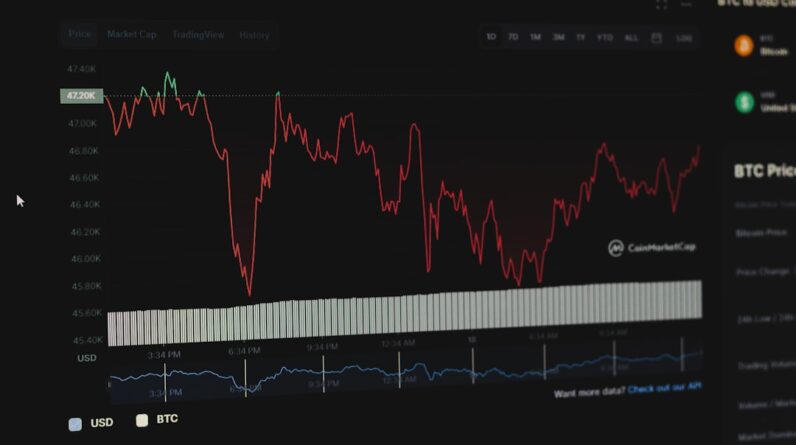
In recent years, the concept of digital currency has gained significant traction, transforming the way we perceive and conduct financial transactions. You may have heard terms like Bitcoin, Ethereum, or stablecoins, which represent a new era of money that exists solely in digital form. Unlike traditional currencies issued by governments, digital currencies operate on decentralized networks, allowing for peer-to-peer transactions without the need for intermediaries such as banks.
This shift towards digital currency is not merely a trend; it signifies a fundamental change in the financial landscape, offering both opportunities and challenges. As you delve deeper into the world of digital currency, you will discover its potential to revolutionize various sectors, particularly in cross-border transactions. The ability to send and receive money across borders quickly and efficiently is a game-changer for individuals and businesses alike.
With the rise of globalization, the demand for seamless international transactions has never been greater. Digital currencies promise to address many of the inefficiencies associated with traditional banking systems, making it essential to understand their implications for the future of finance.
Key Takeaways
- Digital currency is a form of currency that is available only in digital or electronic form, and it utilizes cryptography for security.
- Cross-border transactions face challenges such as high fees, long processing times, and currency conversion issues.
- Digital currency can facilitate cross-border transactions by offering lower fees, faster processing times, and eliminating the need for currency conversion.
- Blockchain technology plays a crucial role in cross-border transactions by providing a secure and transparent way to record and verify transactions.
- Digital currency can impact exchange rates and transaction costs by offering more stable and predictable rates, as well as reducing the need for intermediaries in transactions.
The Current Challenges of Cross-border Transactions
Time-Consuming Transfers
One of the most significant hurdles is the time it takes for funds to transfer from one country to another. Traditional banking systems often involve multiple intermediaries, each taking their own processing time and fees. This can lead to delays that are frustrating for both individuals and businesses, causing unnecessary wait times for simple transactions to clear.
Exorbitant Costs
The costs associated with cross-border transactions can be exorbitant. Banks and financial institutions typically charge high fees for currency conversion and international transfers, which can eat into your profits if you are running a business. These costs can also disproportionately affect individuals who are sending remittances to family members abroad.
The Need for a Better Solution
As you navigate these challenges, it becomes clear that there is a pressing need for a more efficient and cost-effective solution to facilitate cross-border transactions.
How Digital Currency Can Facilitate Cross-border Transactions

Digital currency offers a promising alternative to traditional methods of conducting cross-border transactions. By leveraging blockchain technology, digital currencies enable instantaneous transfers that bypass the lengthy processes associated with banks and other financial institutions. When you use digital currency, you can send money across borders in a matter of minutes, if not seconds.
This speed is particularly advantageous for businesses that require quick access to funds or individuals who need to send money urgently. Moreover, digital currencies often come with lower transaction fees compared to traditional banking methods. Since they eliminate the need for intermediaries, you can save a significant amount on conversion rates and transfer fees.
This cost-effectiveness is especially beneficial for those who regularly engage in international transactions, such as freelancers working with clients overseas or families sending remittances back home. As you explore the potential of digital currency, you will likely find that it not only streamlines the process but also makes it more accessible for everyone involved.
The Role of Blockchain Technology in Cross-border Transactions
At the heart of digital currency lies blockchain technology, which serves as a decentralized ledger that records all transactions across a network of computers. This innovative technology ensures transparency and security, making it an ideal solution for cross-border transactions. When you engage in a transaction using digital currency, the details are securely recorded on the blockchain, providing an immutable record that can be verified by all parties involved.
Blockchain technology also enhances trust in cross-border transactions. In traditional systems, you often have to rely on banks or payment processors to verify transactions, which can lead to disputes or fraud. However, with blockchain, you can independently verify the authenticity of each transaction without needing a third party.
This level of transparency not only reduces the risk of fraud but also fosters confidence among users, encouraging more people to embrace digital currency for their international financial needs.
The Impact of Digital Currency on Exchange Rates and Transaction Costs
One of the most intriguing aspects of digital currency is its potential impact on exchange rates and transaction costs. In traditional finance, exchange rates can fluctuate significantly due to various factors such as market demand, geopolitical events, and economic indicators. These fluctuations can create uncertainty for individuals and businesses engaged in cross-border transactions.
However, digital currencies often operate on a more stable basis, particularly stablecoins that are pegged to traditional currencies. By utilizing digital currencies for cross-border transactions, you may find that exchange rate volatility is minimized. This stability can provide peace of mind when conducting international business or sending money abroad.
Additionally, the reduced transaction costs associated with digital currencies can lead to significant savings over time. As you consider your options for cross-border transactions, the financial advantages offered by digital currencies become increasingly appealing.
Regulatory Considerations for Cross-border Digital Currency Transactions

While the benefits of digital currency are compelling, navigating the regulatory landscape can be complex. Different countries have varying regulations regarding the use of digital currencies, which can impact your ability to conduct cross-border transactions seamlessly. As you explore this space, it is crucial to stay informed about the legal frameworks governing digital currencies in both your home country and any countries you wish to transact with.
Regulatory bodies are increasingly recognizing the need to establish guidelines for digital currencies to prevent fraud and protect consumers. You may encounter challenges related to compliance with anti-money laundering (AML) and know your customer (KYC) regulations when using digital currencies for cross-border transactions. Understanding these regulations will help you navigate potential pitfalls and ensure that your transactions remain compliant with local laws.
Case Studies of Successful Cross-border Transactions Using Digital Currency
To illustrate the practical applications of digital currency in cross-border transactions, consider some successful case studies that highlight its effectiveness. For instance, numerous remittance services have adopted cryptocurrencies to facilitate faster and cheaper money transfers for migrant workers sending funds back home. By using digital currencies like Bitcoin or stablecoins, these services have significantly reduced transfer times from days to mere minutes while lowering fees.
Another example involves businesses that have embraced digital currencies for international trade. Companies engaged in e-commerce have found that accepting payments in cryptocurrencies allows them to reach a global audience without incurring hefty transaction fees associated with credit card processors or banks. As you examine these case studies, it becomes evident that digital currency is not just a theoretical concept; it is already making waves in real-world applications.
The Future Potential of Digital Currency in Facilitating Cross-border Transactions
Looking ahead, the future potential of digital currency in facilitating cross-border transactions appears promising. As technology continues to evolve and more people become familiar with digital currencies, their adoption is likely to increase exponentially. You may witness an expansion of platforms and services designed specifically for cross-border transactions using digital currencies, further enhancing their accessibility and usability.
Moreover, as regulatory frameworks become more defined and standardized across countries, you can expect greater confidence in using digital currencies for international transactions. This could lead to increased collaboration between governments and private sectors to create a more integrated financial ecosystem that leverages the benefits of digital currencies while ensuring consumer protection. In conclusion, as you explore the world of digital currency and its implications for cross-border transactions, it becomes clear that this innovative financial tool has the potential to reshape how we conduct business globally.
By addressing existing challenges such as delays and high costs while leveraging blockchain technology’s security and transparency features, digital currency stands poised to revolutionize international finance in ways we are only beginning to understand.
FAQs
What is digital currency?
Digital currency is a type of currency that is available only in digital or electronic form, and not in physical form. It operates independently of a central bank and is decentralized.
How does digital currency facilitate cross-border transactions?
Digital currency facilitates cross-border transactions by eliminating the need for traditional banking systems and intermediaries. Transactions can be completed quickly and at a lower cost compared to traditional methods.
What are the potential benefits of using digital currency for cross-border transactions?
The potential benefits of using digital currency for cross-border transactions include lower transaction fees, faster transaction times, increased security, and the ability to bypass currency conversion fees.
What are the potential challenges of using digital currency for cross-border transactions?
Challenges of using digital currency for cross-border transactions include regulatory uncertainty, potential for fraud and security breaches, and the need for widespread adoption and acceptance of digital currency.
What is the current potential for digital currency to facilitate cross-border transactions?
The current potential for digital currency to facilitate cross-border transactions is significant, as more businesses and individuals are adopting digital currency for international transactions. However, there are still challenges that need to be addressed for widespread adoption.