
As you delve into the world of cryptocurrencies, you quickly realize that the landscape is not just shaped by technological innovation and market dynamics but also significantly influenced by government regulations. These regulations serve as a framework within which cryptocurrencies operate, impacting everything from their legitimacy to their market value. The relationship between government policies and cryptocurrencies is complex and multifaceted, often creating a tug-of-war between innovation and regulation.
As you explore this intricate relationship, it becomes clear that understanding government regulations is essential for anyone looking to navigate the cryptocurrency space effectively. Governments around the world are grappling with how to approach cryptocurrencies, which have emerged as a disruptive force in the financial sector. Some countries embrace them, seeing potential for economic growth and technological advancement, while others impose strict regulations or outright bans due to concerns over security, fraud, and financial stability.
This dichotomy creates a patchwork of regulations that can vary widely from one jurisdiction to another. As you consider investing in or using cryptocurrencies, it’s crucial to stay informed about the regulatory environment in your region and globally, as these rules can significantly influence your experience and outcomes in the crypto market.
Key Takeaways
- Government regulations play a crucial role in shaping the cryptocurrency market and its future.
- Regulations can significantly impact the value of cryptocurrencies, leading to price fluctuations and market volatility.
- Government regulations are essential in preventing fraud, money laundering, and other illegal activities in the cryptocurrency market.
- Cryptocurrency exchanges and trading platforms are directly affected by government regulations, which can impact their operations and user experience.
- The adoption of cryptocurrencies in mainstream financial markets is influenced by government regulations, which can either facilitate or hinder their integration.
How Government Regulations can Impact the Value of Cryptocurrencies
The value of cryptocurrencies is often volatile, influenced by a myriad of factors, including market sentiment, technological advancements, and, importantly, government regulations. When a government announces new regulations or changes existing ones, it can lead to immediate fluctuations in cryptocurrency prices. For instance, if a country decides to adopt a more favorable regulatory stance towards cryptocurrencies, you might see a surge in prices as investor confidence grows.
Conversely, if a government imposes stringent regulations or bans certain activities related to cryptocurrencies, it can lead to panic selling and a sharp decline in value. Moreover, the impact of regulations extends beyond immediate price changes; they can also shape long-term market trends. If you observe a trend where more countries are adopting clear and supportive regulatory frameworks for cryptocurrencies, it could signal a maturation of the market.
This maturation may attract institutional investors who have previously been hesitant due to regulatory uncertainties. As these larger players enter the market, you might find that the overall stability and value of cryptocurrencies improve over time. Thus, understanding how government regulations can influence both short-term price movements and long-term market trends is essential for making informed investment decisions.
The Role of Government Regulations in Preventing Fraud and Illegal Activities in the Cryptocurrency Market

One of the primary reasons governments feel compelled to regulate cryptocurrencies is to combat fraud and illegal activities that can proliferate in an unregulated environment. The anonymity and decentralized nature of many cryptocurrencies make them attractive for illicit activities such as money laundering, tax evasion, and fraud. As you engage with cryptocurrencies, it’s important to recognize that government regulations aim to create a safer environment for all participants by establishing guidelines that help prevent these activities.
Regulations often require cryptocurrency exchanges and platforms to implement Know Your Customer (KYC) and Anti-Money Laundering (AML) procedures. These measures help ensure that users are verified and that transactions are monitored for suspicious activity. By adhering to these regulations, exchanges can foster trust among users and create a more secure trading environment.
As you navigate the cryptocurrency landscape, understanding these regulatory measures can help you identify reputable platforms and protect yourself from potential scams or fraudulent schemes.
The Impact of Government Regulations on Cryptocurrency Exchanges and Trading Platforms
Cryptocurrency exchanges are at the forefront of the digital asset ecosystem, serving as the primary venues for buying, selling, and trading cryptocurrencies. Government regulations play a crucial role in shaping how these exchanges operate. Depending on the regulatory framework in your jurisdiction, exchanges may be required to obtain licenses, adhere to strict reporting requirements, and implement robust security measures to protect user funds.
These regulations can significantly impact the operational costs and business models of exchanges. For you as a user, these regulations can have both positive and negative implications. On one hand, well-regulated exchanges may offer greater security and peace of mind, knowing that they are compliant with local laws and standards.
On the other hand, excessive regulation could stifle innovation and limit the number of available platforms, reducing your options for trading. As you explore different exchanges, it’s essential to consider how their regulatory status affects their services and your overall trading experience.
Government Regulations and the Adoption of Cryptocurrencies in Mainstream Financial Markets
The adoption of cryptocurrencies in mainstream financial markets is heavily influenced by government regulations. When governments take a proactive approach to regulate cryptocurrencies, it often leads to increased acceptance among traditional financial institutions. For instance, if a government establishes clear guidelines for how banks can interact with cryptocurrencies, it may encourage banks to offer crypto-related services such as custody solutions or trading platforms.
This increased integration can enhance your ability to use cryptocurrencies alongside traditional financial products. Conversely, if governments adopt a restrictive stance towards cryptocurrencies, it can hinder their adoption in mainstream markets. Financial institutions may be reluctant to engage with digital assets if they face uncertainty regarding compliance or potential legal repercussions.
This reluctance can limit your access to cryptocurrency-related services and slow down the overall growth of the market. As you consider the future of cryptocurrencies, it’s vital to keep an eye on regulatory developments that could either facilitate or impede their integration into traditional financial systems.
The Influence of Government Regulations on Initial Coin Offerings (ICOs) and Token Sales
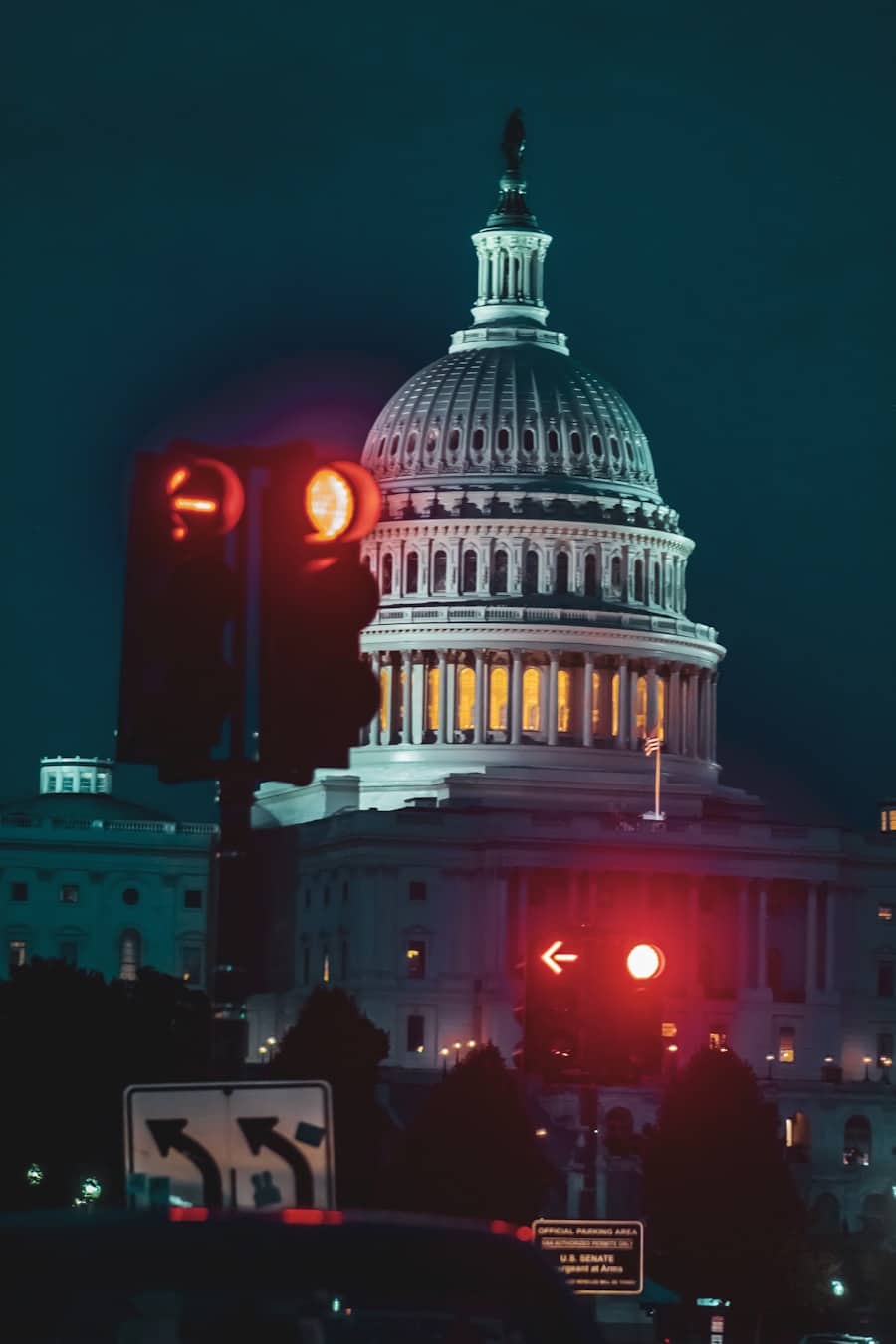
Initial Coin Offerings (ICOs) have emerged as a popular method for startups to raise capital through the sale of tokens. However, the regulatory landscape surrounding ICOs is complex and varies significantly across jurisdictions. Governments have taken different approaches to ICOs; some have embraced them as innovative fundraising mechanisms while others have imposed strict regulations or outright bans due to concerns over investor protection and fraud.
As an investor considering participation in an ICO or token sale, understanding the regulatory environment is crucial. In regions where ICOs are heavily regulated, you may find that projects must adhere to strict disclosure requirements and provide detailed information about their business models and use cases. This transparency can help you make more informed investment decisions.
Conversely, in less regulated environments, you may encounter projects that lack transparency or accountability, increasing your risk exposure. Therefore, staying informed about how government regulations impact ICOs is essential for navigating this dynamic fundraising landscape.
The Effect of Government Regulations on Cryptocurrency Mining and Energy Consumption
Cryptocurrency mining has come under scrutiny due to its significant energy consumption and environmental impact. Governments around the world are beginning to implement regulations aimed at addressing these concerns. As you explore the mining aspect of cryptocurrencies, it’s important to understand how these regulations can affect mining operations and their sustainability.
In some regions, governments have introduced incentives for miners who use renewable energy sources or have implemented restrictions on mining activities altogether due to environmental concerns. For instance, if you are involved in mining operations in an area where regulations favor sustainable practices, you may benefit from lower energy costs or tax incentives. Conversely, if you operate in a jurisdiction that imposes strict limits on mining due to environmental policies, it could impact your profitability and operational viability.
As discussions around energy consumption continue to evolve within the cryptocurrency community, staying informed about regulatory changes will be crucial for anyone involved in mining activities.
The Future of Government Regulations and Their Potential Impact on the Cryptocurrency Market
Looking ahead, the future of government regulations concerning cryptocurrencies remains uncertain but is likely to evolve as the market matures. As more individuals and institutions engage with digital assets, governments will continue to grapple with how best to regulate this rapidly changing landscape. You may witness an increasing trend toward harmonization of regulations across jurisdictions as countries recognize the need for a cohesive approach to address global challenges posed by cryptocurrencies.
The potential impact of future regulations on the cryptocurrency market could be profound. If governments adopt balanced regulatory frameworks that promote innovation while ensuring consumer protection and financial stability, it could lead to increased adoption and integration of cryptocurrencies into everyday financial transactions. On the other hand, overly restrictive regulations could stifle innovation and drive cryptocurrency activities underground or into unregulated markets.
As you navigate this evolving landscape, staying informed about regulatory developments will be key to understanding how they may shape your experiences with cryptocurrencies in the future. Engaging with industry discussions and following regulatory news will empower you to make informed decisions as both an investor and a participant in this exciting digital frontier.
FAQs
What are government regulations on cryptocurrencies?
Government regulations on cryptocurrencies refer to the rules and laws set by government authorities to govern the use, trading, and taxation of digital currencies such as Bitcoin, Ethereum, and others.
How do government regulations impact cryptocurrencies?
Government regulations can impact cryptocurrencies in various ways, including affecting their legality, taxation, trading, and overall market stability. Regulations can also influence the adoption and acceptance of cryptocurrencies by businesses and individuals.
What are some common types of government regulations on cryptocurrencies?
Common types of government regulations on cryptocurrencies include anti-money laundering (AML) and know your customer (KYC) requirements, taxation policies, licensing and registration of cryptocurrency exchanges, and restrictions on initial coin offerings (ICOs).
How do government regulations affect cryptocurrency investors and traders?
Government regulations can affect cryptocurrency investors and traders by influencing the legality and taxation of their investments, as well as impacting the availability and liquidity of certain cryptocurrencies in the market.
What are the potential benefits and drawbacks of government regulations on cryptocurrencies?
Potential benefits of government regulations on cryptocurrencies include increased investor protection, reduced fraud and illegal activities, and improved market stability. Drawbacks may include stifling innovation, limiting market access, and creating compliance burdens for businesses.