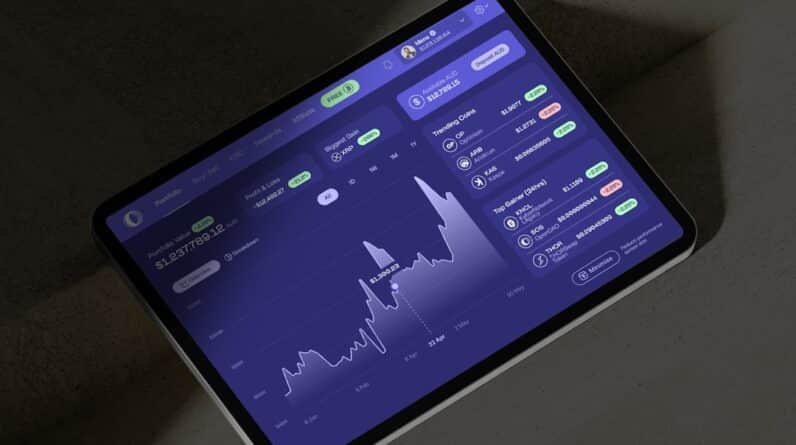
When you delve into the world of cryptocurrencies, one of the first things that strikes you is their inherent volatility. Unlike traditional assets such as stocks or bonds, cryptocurrencies can experience dramatic price swings within a matter of hours or even minutes. This volatility can be attributed to several factors, including market sentiment, regulatory news, and technological developments.
As you navigate this landscape, it’s crucial to grasp how these elements contribute to the unpredictable nature of digital currencies. The rapid rise and fall in prices can create both opportunities and challenges for investors, making it essential for you to stay informed and adaptable. Moreover, the volatility of cryptocurrencies is often exacerbated by their relatively low market capitalization compared to traditional financial markets.
This means that even a small influx or outflow of capital can lead to significant price changes. As you consider investing in cryptocurrencies, it’s important to recognize that this volatility can be both a double-edged sword. While it presents opportunities for substantial gains, it also poses risks that could lead to considerable losses.
Understanding this dynamic will help you make more informed decisions and develop strategies to manage your investments effectively.
Key Takeaways
- Cryptocurrencies are highly volatile and can experience rapid price fluctuations.
- Investing in cryptocurrencies has the potential for high returns but also comes with significant risks.
- Regulatory risks and legal uncertainty surrounding cryptocurrencies can impact their value and legality.
- Diversifying an investment portfolio with cryptocurrencies can help spread risk, but also requires careful consideration.
- Security and fraud risks are prevalent in the cryptocurrency market, requiring investors to be vigilant and cautious.
Potential for High Returns
Understanding the Potential for High Returns
The potential for significant returns can be a powerful motivator to enter the market and explore various investment opportunities. However, it’s essential to approach this potential with caution. The same volatility that can lead to substantial gains can also result in steep losses.
Managing Risk in a Volatile Market
As you consider your investment strategy, it’s wise to conduct thorough research and assess your risk tolerance. Diversifying your investments across different cryptocurrencies and other asset classes can help mitigate some of the risks associated with this volatile market.
Building a Balanced Portfolio
By balancing your portfolio, you can position yourself to take advantage of potential gains while protecting yourself from the downside. This approach can help you navigate the complexities of the cryptocurrency market and make informed investment decisions.
Regulatory Risks and Legal Uncertainty
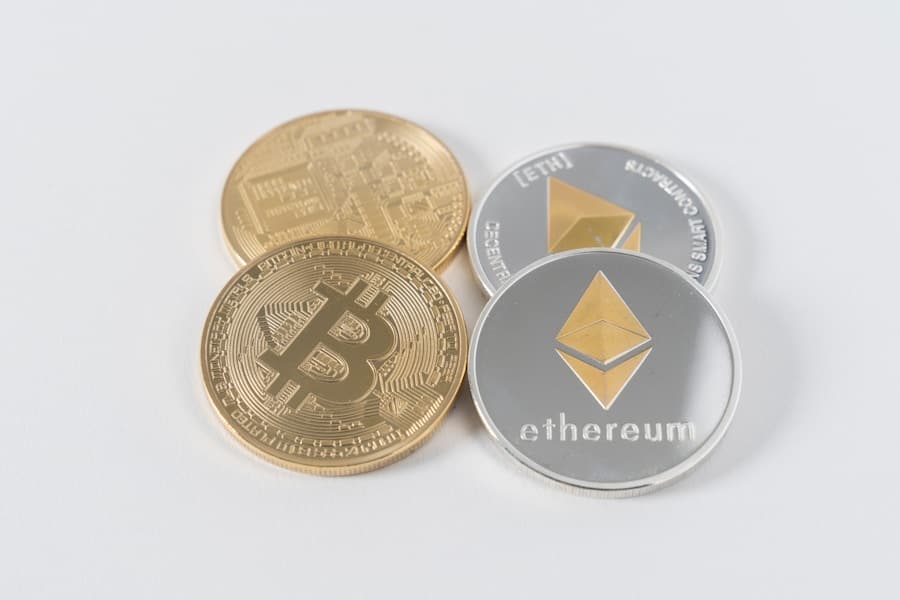
As you navigate the cryptocurrency landscape, one of the significant challenges you may encounter is regulatory risk and legal uncertainty. Governments around the world are still grappling with how to classify and regulate cryptocurrencies, leading to a patchwork of laws and regulations that can vary significantly from one jurisdiction to another. This uncertainty can create challenges for investors like you, as changes in regulations can impact the value and legality of certain cryptocurrencies.
For instance, if a government decides to impose strict regulations on cryptocurrency exchanges or initial coin offerings (ICOs), it could lead to a decline in market confidence and a subsequent drop in prices. Additionally, legal battles surrounding cryptocurrencies can create further uncertainty, making it difficult for you to predict how these developments might affect your investments. Staying informed about regulatory changes and understanding the legal landscape is crucial for navigating these risks effectively.
Diversification of Investment Portfolio
In the world of investing, diversification is often touted as a key strategy for managing risk. As you consider adding cryptocurrencies to your investment portfolio, it’s essential to think about how they fit into your overall strategy. By diversifying your investments across various asset classes—such as stocks, bonds, real estate, and cryptocurrencies—you can reduce the impact of any single investment’s poor performance on your overall portfolio.
Cryptocurrencies can serve as an intriguing addition to your diversified portfolio due to their unique characteristics and potential for high returns. However, it’s important to strike a balance between traditional investments and digital assets. Allocating a portion of your portfolio to cryptocurrencies allows you to tap into their growth potential while still maintaining exposure to more stable investments.
As you build your portfolio, consider your risk tolerance and investment goals to determine the appropriate allocation for cryptocurrencies.
Security and Fraud Risks
As you venture into the realm of cryptocurrencies, one of the most pressing concerns you may face is security and fraud risks. The digital nature of cryptocurrencies makes them susceptible to hacking, phishing attacks, and other forms of cybercrime. High-profile hacks of cryptocurrency exchanges have resulted in significant losses for investors, underscoring the importance of safeguarding your digital assets.
To protect yourself from these risks, it’s essential to adopt best practices for securing your cryptocurrency holdings. This includes using reputable exchanges with strong security measures, enabling two-factor authentication on your accounts, and considering hardware wallets for long-term storage. Additionally, staying vigilant against phishing attempts and scams is crucial in this rapidly evolving landscape.
By prioritizing security, you can mitigate some of the risks associated with investing in cryptocurrencies.
Technological Advancements and Innovation

Unlocking New Investment Opportunities
Innovations such as blockchain scalability solutions, decentralized finance (DeFi) platforms, and non-fungible tokens (NFTs) are not only enhancing the functionality of cryptocurrencies but also opening up new investment avenues. These emerging technologies have the potential to unlock new revenue streams and create fresh opportunities for investors.
The Importance of Staying Informed
To make informed investment decisions, it’s crucial to stay up-to-date with the latest technological developments in the cryptocurrency space. Understanding the inner workings of blockchain technology, for instance, can help you identify promising projects with long-term viability. By keeping a finger on the pulse of emerging trends, you can position yourself strategically to capitalize on new opportunities as they arise.
Maximizing Investment Potential
In this fast-paced market, embracing innovation can be a key factor in maximizing your investment potential. By staying ahead of the curve and adapting to new technologies, you can unlock new opportunities and stay one step ahead of the competition.
Lack of Consumer Protection
One of the challenges you may face as a cryptocurrency investor is the lack of consumer protection compared to traditional financial markets. In many jurisdictions, there are limited regulations governing cryptocurrency exchanges and transactions, which can leave investors vulnerable to fraud and malpractice. Unlike traditional banks or investment firms that are subject to strict oversight and consumer protection laws, many cryptocurrency platforms operate in a regulatory gray area.
This lack of consumer protection means that if something goes wrong—such as an exchange hack or a fraudulent ICO—you may have limited recourse for recovering your funds. As you navigate this landscape, it’s crucial to conduct thorough due diligence before investing in any cryptocurrency or platform. Researching the reputation of exchanges, reading user reviews, and understanding the risks involved can help you make more informed decisions and protect your investments.
Long-Term Viability and Sustainability
As you consider investing in cryptocurrencies, it’s essential to evaluate their long-term viability and sustainability. While some digital currencies have gained significant traction and established themselves as household names, others may struggle to maintain relevance over time. Factors such as technological innovation, market demand, and regulatory developments will play a crucial role in determining which cryptocurrencies endure in the long run.
To assess the long-term potential of a cryptocurrency, consider its use case, community support, and development roadmap. Projects with strong fundamentals and active development teams are more likely to thrive in an ever-evolving market. Additionally, keeping an eye on broader trends within the cryptocurrency ecosystem—such as increased adoption by businesses or advancements in blockchain technology—can provide valuable insights into which assets may have staying power.
In conclusion, navigating the world of cryptocurrencies requires a nuanced understanding of various factors that influence their value and viability. By staying informed about volatility, potential returns, regulatory risks, diversification strategies, security measures, technological advancements, consumer protection issues, and long-term sustainability, you can position yourself for success in this dynamic investment landscape. As you embark on your cryptocurrency journey, remember that knowledge is power; equipping yourself with information will empower you to make informed decisions that align with your financial goals.
FAQs
What are the risks of investing in cryptocurrencies?
– Volatility: Cryptocurrencies are known for their price volatility, which can lead to significant fluctuations in value.
– Security risks: Cryptocurrency exchanges and wallets are vulnerable to hacking and theft.
– Regulatory uncertainty: The regulatory environment for cryptocurrencies is constantly evolving, which can create uncertainty for investors.
– Lack of consumer protection: Unlike traditional financial systems, cryptocurrencies are not backed by government guarantees or insurance.
– Market manipulation: The cryptocurrency market is susceptible to manipulation due to its relatively small size and lack of regulation.
What are the benefits of investing in cryptocurrencies?
– Potential for high returns: Cryptocurrencies have the potential for significant price appreciation, leading to high returns for investors.
– Diversification: Investing in cryptocurrencies can provide diversification benefits for a traditional investment portfolio.
– Access to new investment opportunities: Cryptocurrencies offer access to new and innovative investment opportunities that may not be available in traditional financial markets.
– Decentralization: Cryptocurrencies operate on decentralized networks, which can provide greater transparency and security compared to traditional financial systems.
– Borderless transactions: Cryptocurrencies can facilitate cross-border transactions with lower fees and faster processing times compared to traditional financial systems.