
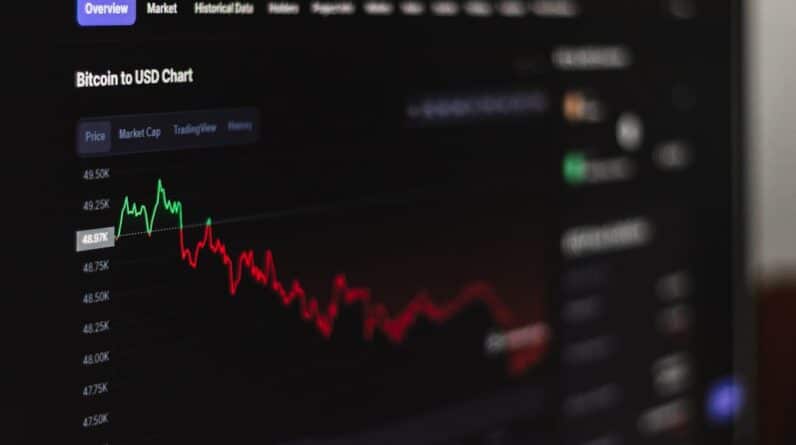
In the ever-evolving landscape of digital finance, Bitcoin exchanges have emerged as pivotal platforms for trading cryptocurrencies. As you delve into the world of Bitcoin, understanding these exchanges becomes essential. They serve as the gateways through which you can buy, sell, and trade Bitcoin and other cryptocurrencies.
With the increasing popularity of Bitcoin, these exchanges have gained significant traction, attracting both seasoned investors and newcomers alike. The rise of Bitcoin exchanges has not only democratized access to cryptocurrency but has also introduced a myriad of opportunities and challenges. As you navigate this digital frontier, it’s crucial to grasp the fundamental concepts surrounding Bitcoin and the exchanges that facilitate its trading.
This article aims to provide you with a comprehensive understanding of Bitcoin exchanges, their workings, and the factors to consider when engaging with them.
Key Takeaways
- Bitcoin exchanges are platforms where users can buy, sell, and trade bitcoins.
- Understanding the basics of bitcoin, such as how it is created and how it is stored, is crucial for using bitcoin exchanges.
- There are different types of bitcoin exchanges, including centralized, decentralized, and peer-to-peer exchanges.
- When choosing a bitcoin exchange, it is important to consider factors such as security measures, fees, and user interface.
- While bitcoin exchanges offer convenience, they also come with risks and challenges, such as security vulnerabilities and regulatory issues.
Understanding the Basics of Bitcoin
Before diving into the intricacies of Bitcoin exchanges, it’s important to familiarize yourself with Bitcoin itself. Created in 2009 by an anonymous entity known as Satoshi Nakamoto, Bitcoin is a decentralized digital currency that operates on a technology called blockchain. This innovative technology allows for secure and transparent transactions without the need for intermediaries like banks.
As you explore Bitcoin, you’ll discover that it is not just a currency but a revolutionary concept that challenges traditional financial systems. Bitcoin operates on a peer-to-peer network, meaning that transactions occur directly between users without a central authority overseeing them. This decentralization is one of the key features that sets Bitcoin apart from conventional currencies.
As you learn more about Bitcoin, you’ll encounter terms like “mining,” “wallets,” and “public keys,” all of which play crucial roles in its ecosystem. Understanding these basics will provide you with a solid foundation as you move forward in your exploration of Bitcoin exchanges.
What is a Bitcoin Exchange?
A Bitcoin exchange is a platform that facilitates the buying, selling, and trading of Bitcoin and other cryptocurrencies. Think of it as a marketplace where you can exchange your fiat currency, such as dollars or euros, for Bitcoin or vice versa. These exchanges can be categorized into two main types: centralized and decentralized.
Centralized exchanges are operated by companies that act as intermediaries, while decentralized exchanges allow users to trade directly with one another without a central authority. As you consider engaging with a Bitcoin exchange, it’s important to understand the role these platforms play in the broader cryptocurrency ecosystem. They provide liquidity, enabling users to quickly buy or sell their assets at market prices.
Additionally, exchanges often offer various trading pairs, allowing you to trade Bitcoin against other cryptocurrencies or fiat currencies. This flexibility makes them essential tools for anyone looking to invest in or utilize cryptocurrencies.
How Does a Bitcoin Exchange Work?
The operation of a Bitcoin exchange may seem complex at first glance, but it can be broken down into several key components. When you decide to use an exchange, the first step is to create an account. This typically involves providing personal information and verifying your identity to comply with regulatory requirements.
Once your account is set up, you can deposit funds into it, either in fiat currency or cryptocurrency. After funding your account, you can start trading. The exchange provides an interface where you can view current market prices, place buy or sell orders, and monitor your portfolio.
When you place an order, the exchange matches it with other users’ orders based on price and availability. This matching process is what creates liquidity in the market and allows for efficient trading. As you engage with the exchange, you’ll also encounter various order types, such as market orders and limit orders, each serving different trading strategies.
Types of Bitcoin Exchanges
As you explore the world of Bitcoin exchanges, you’ll find that they come in various forms, each catering to different needs and preferences. Centralized exchanges are perhaps the most common type. These platforms are managed by companies that facilitate trades between users while holding their funds in custodial wallets.
Examples include Coinbase and Binance. These exchanges often provide user-friendly interfaces and additional features like advanced trading tools and educational resources. On the other hand, decentralized exchanges (DEXs) operate without a central authority.
They allow users to trade directly with one another using smart contracts on blockchain networks. DEXs like Uniswap and SushiSwap offer greater privacy and control over your funds since you don’t have to deposit them into an exchange wallet. However, they may come with a steeper learning curve and less user support compared to centralized platforms.
Understanding these different types of exchanges will help you choose one that aligns with your trading style and risk tolerance.
How to Choose the Right Bitcoin Exchange
Selecting the right Bitcoin exchange is crucial for your trading experience and overall security. As you embark on this journey, consider several factors that can influence your decision. First and foremost, assess the exchange’s reputation and reliability.
Look for reviews from other users and check if the platform has experienced any security breaches in the past. A well-established exchange with a solid track record is often a safer choice. Next, evaluate the fees associated with using the exchange.
Different platforms have varying fee structures for trading, deposits, and withdrawals. Some exchanges may offer lower trading fees but charge higher withdrawal fees or vice versa. It’s essential to understand how these fees will impact your overall profitability before committing to an exchange.
Additionally, consider the range of cryptocurrencies offered on the platform; if you’re interested in trading altcoins alongside Bitcoin, ensure that the exchange supports those assets.
Security Measures in Bitcoin Exchanges
Security is paramount when it comes to choosing a Bitcoin exchange. Given the digital nature of cryptocurrencies, they are susceptible to hacking and fraud if proper security measures are not in place. As you evaluate different exchanges, pay close attention to their security protocols.
Look for features such as two-factor authentication (2FA), which adds an extra layer of protection by requiring a second form of verification when logging in or making transactions. Furthermore, consider whether the exchange employs cold storage for its funds. Cold storage refers to keeping the majority of assets offline, away from potential online threats.
Exchanges that prioritize security often disclose their security practices publicly, giving you insight into how they protect user funds. By choosing an exchange with robust security measures, you can significantly reduce your risk of falling victim to cyberattacks.
The Process of Buying and Selling Bitcoin on an Exchange
Once you’ve chosen a suitable Bitcoin exchange and created an account, you’re ready to start buying and selling Bitcoin. The process typically begins with depositing funds into your account. Depending on the exchange, you may have various options for funding your account, including bank transfers or credit card payments.
After your funds are available, navigate to the trading section of the platform. When buying Bitcoin, you’ll need to specify how much you want to purchase and at what price you’re willing to buy it. You can place a market order if you want to buy immediately at the current market price or a limit order if you’re willing to wait for a specific price point.
Once your order is executed, you’ll see your newly acquired Bitcoin reflected in your account balance. Selling works similarly; simply choose how much Bitcoin you’d like to sell and follow the same process.
Fees and Costs Associated with Bitcoin Exchanges
Understanding the fees associated with using a Bitcoin exchange is crucial for maximizing your investment returns. Each exchange has its own fee structure that can include trading fees, deposit fees, withdrawal fees, and even inactivity fees for dormant accounts. Trading fees are typically charged as a percentage of each transaction or as a flat fee per trade.
When evaluating these costs, consider how they will affect your overall trading strategy. For instance, if you’re planning on making frequent trades, even small fees can add up quickly and eat into your profits. Some exchanges offer fee discounts for high-volume traders or those who hold their native tokens on the platform.
By being aware of these costs upfront, you can make more informed decisions about where to trade.
Risks and Challenges of Using Bitcoin Exchanges
While Bitcoin exchanges offer numerous benefits for trading cryptocurrencies, they also come with inherent risks and challenges that you should be aware of before diving in. One significant risk is market volatility; cryptocurrency prices can fluctuate dramatically within short periods, leading to potential losses if you’re not careful with your trades. Additionally, there’s always the risk of hacking or security breaches associated with centralized exchanges where user funds are stored online.
Even reputable exchanges have faced attacks in the past that resulted in significant losses for users. To mitigate these risks, it’s essential to stay informed about market trends and employ sound risk management strategies when trading on these platforms.
Conclusion and Future of Bitcoin Exchanges
As you conclude your exploration of Bitcoin exchanges, it’s clear that they play a vital role in facilitating cryptocurrency trading for millions around the globe. With their growing popularity comes an increasing need for education about their workings and associated risks. The future of Bitcoin exchanges looks promising as technology continues to evolve; we may see enhanced security measures, improved user experiences, and even more innovative trading options.
As you navigate this dynamic landscape, remember that knowledge is power. By staying informed about market trends and understanding how exchanges operate, you’ll be better equipped to make sound investment decisions in this exciting digital frontier. Whether you’re a seasoned trader or just starting out, embracing this knowledge will empower you on your journey through the world of cryptocurrencies.
FAQs
What is a Bitcoin exchange?
A Bitcoin exchange is a digital marketplace where traders can buy and sell bitcoins using different fiat currencies or other cryptocurrencies.
How does a Bitcoin exchange work?
A Bitcoin exchange works by matching buy and sell orders from traders. It acts as an intermediary that facilitates the trading of bitcoins and other cryptocurrencies.
What are the types of Bitcoin exchanges?
There are different types of Bitcoin exchanges, including centralized exchanges, decentralized exchanges, and peer-to-peer exchanges. Each type has its own unique features and functions.
What are the features of a Bitcoin exchange?
Some common features of a Bitcoin exchange include trading pairs, order books, trading fees, security measures, and user interfaces for trading and managing accounts.
How do users trade on a Bitcoin exchange?
Users can trade on a Bitcoin exchange by creating an account, depositing funds, placing buy or sell orders, and executing trades based on market conditions and their trading strategies.
What are the risks of using a Bitcoin exchange?
Risks associated with using a Bitcoin exchange include security vulnerabilities, regulatory uncertainties, market volatility, and potential loss of funds due to hacking or technical issues. It’s important for users to conduct thorough research and use secure practices when trading on exchanges.


