
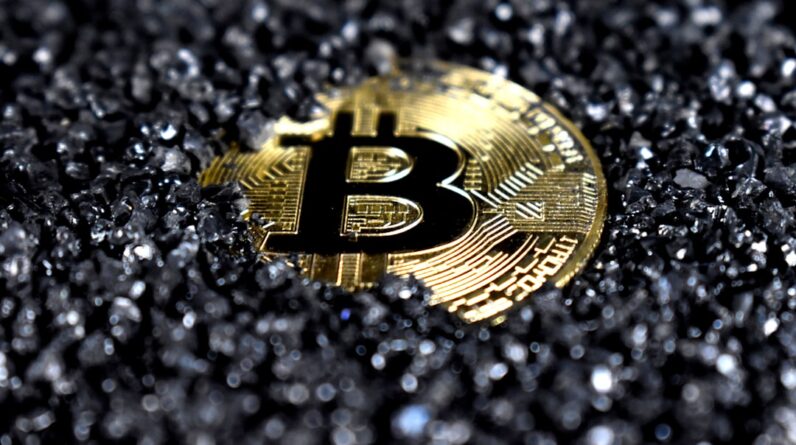
In recent years, Bitcoin has emerged as a revolutionary force, not just in finance but also in various sectors, including the art world. As a decentralized digital currency, Bitcoin offers a new paradigm for transactions, allowing for greater transparency and security. This shift is particularly significant in the art market, where traditional methods of buying and selling can often be fraught with complications.
You may find yourself intrigued by how this digital currency is reshaping the landscape of art transactions, ownership, and investment. The intersection of Bitcoin and the art world is not merely a trend; it represents a fundamental change in how art is perceived and valued. As artists, collectors, and galleries begin to embrace this technology, you might wonder how it will affect the future of art collecting and investment.
The allure of Bitcoin lies in its potential to democratize access to art, making it more accessible to a broader audience while also providing artists with new avenues for revenue. This article will explore the multifaceted relationship between Bitcoin and the art world, shedding light on its implications for artists, collectors, and investors alike.
Key Takeaways
- Bitcoin and the art world are increasingly intersecting, with cryptocurrency playing a significant role in art transactions and collecting.
- The rise of cryptocurrency in the art market has revolutionized the way art is bought, sold, and invested in, with Bitcoin leading the way.
- NFTs, a combination of Bitcoin and art, have emerged as a game-changer in the art world, offering new opportunities for artists and collectors.
- Cryptocurrency has had a significant impact on art collecting and investing, attracting a new wave of art enthusiasts and investors to the market.
- Blockchain technology is playing a crucial role in art sales, offering transparency and security in transactions, shaping the future of Bitcoin and the art market.
The Rise of Cryptocurrency in the Art Market
The Rise of Digitalization in the Art Market
This growing acceptance is not just a passing fad; it reflects a broader trend toward digitalization in various sectors. As you delve deeper into this phenomenon, you’ll discover that cryptocurrency offers unique advantages that traditional currencies cannot match.
Efficient and Secure Transactions
For instance, transactions made with Bitcoin can be completed quickly and securely without the need for intermediaries like banks. This efficiency can significantly reduce transaction costs, making it more appealing for both buyers and sellers.
Global Accessibility and Reduced Fees
Moreover, the global nature of cryptocurrency means that you can engage in art transactions across borders without worrying about currency exchange rates or international banking fees.
How Bitcoin is Revolutionizing Art Transactions
Bitcoin is revolutionizing art transactions by introducing a level of transparency and security that was previously unattainable. When you make a purchase using Bitcoin, every transaction is recorded on a public ledger known as the blockchain. This feature not only ensures that transactions are secure but also provides an immutable record of ownership.
As a result, you can have greater confidence in the provenance of an artwork, which is crucial in an industry where authenticity is paramount. Additionally, the use of Bitcoin can streamline the buying process. Traditional art sales often involve lengthy negotiations and complex contracts, but with Bitcoin, you can complete transactions almost instantaneously.
This speed can be particularly beneficial in a fast-paced market where opportunities can arise and disappear quickly. As you explore this new landscape, you’ll likely find that Bitcoin is not just a payment method but a catalyst for innovation in how art is bought and sold.
NFTs: The Intersection of Bitcoin and Art
One of the most exciting developments at the intersection of Bitcoin and the art world is the rise of Non-Fungible Tokens (NFTs). These digital assets represent ownership of unique items or pieces of content, often linked to digital artwork. You may have heard about high-profile NFT sales that have garnered millions of dollars, showcasing how this technology is transforming the way we think about ownership and value in art.
NFTs leverage blockchain technology to provide proof of ownership and authenticity, making them particularly appealing to artists looking to monetize their work in new ways. As an artist or collector, you might find that NFTs offer an innovative platform for showcasing your creativity while also tapping into a burgeoning market. The ability to sell digital art as NFTs allows artists to reach global audiences without the constraints of traditional galleries or auction houses.
The Impact of Crypto on Art Collecting and Investing
The impact of cryptocurrency on art collecting and investing is profound. As you consider entering this space, you’ll notice that crypto has opened up new avenues for investment that were previously unavailable. With the ability to buy fractional shares of high-value artworks through tokenization, you can diversify your portfolio without needing substantial capital upfront.
This democratization of art investment allows you to participate in the market in ways that were once reserved for wealthy collectors. Moreover, the volatility associated with cryptocurrencies like Bitcoin can create unique opportunities for savvy investors. While traditional art investments often appreciate slowly over time, crypto-infused art investments can experience rapid fluctuations in value.
As you navigate this landscape, it’s essential to stay informed about market trends and be prepared for both risks and rewards.
Cryptocurrency and Art Authentication
Immutable Records of Ownership
When you purchase an artwork using Bitcoin or another cryptocurrency, the transaction is recorded on the blockchain, creating a permanent record of ownership that can be traced back to its origin. This level of transparency can significantly enhance trust in the art market.
Verifiable History and Peace of Mind
As you consider investing in or collecting art, knowing that each piece has a verifiable history can provide peace of mind. Additionally, some artists are now embedding digital certificates of authenticity within their works using blockchain technology, further solidifying their provenance.
A Shift Toward Greater Accountability
This shift toward greater accountability could reshape how you approach art purchases in the future. With the power of blockchain technology, the art world is poised for a transformation that will bring greater transparency and trust to the industry.
Challenges and Controversies Surrounding Bitcoin in the Art World
Despite its many advantages, the integration of Bitcoin into the art world is not without challenges and controversies. One significant concern is the potential for money laundering and illicit activities facilitated by anonymous transactions. As you engage with this new landscape, it’s crucial to be aware of these risks and understand how they may impact your involvement in art transactions.
Furthermore, regulatory uncertainty surrounding cryptocurrencies poses additional challenges for artists and collectors alike. Different countries have varying stances on cryptocurrency usage, which can complicate cross-border transactions. As you navigate this evolving landscape, staying informed about legal developments will be essential to ensure compliance and protect your investments.
The Role of Blockchain Technology in Art Sales
Blockchain technology plays a pivotal role in transforming art sales by providing a secure and transparent framework for transactions. When you engage in an art sale using cryptocurrency, you’re leveraging this technology to ensure that every step of the process is recorded on an immutable ledger. This transparency not only enhances trust between buyers and sellers but also simplifies the verification process for authenticity.
Moreover, blockchain technology enables smart contracts—self-executing contracts with terms directly written into code. These contracts can automate various aspects of an art sale, such as payment processing and transfer of ownership. As you explore opportunities within this space, you’ll likely find that blockchain technology streamlines transactions while reducing the need for intermediaries.
The Future of Bitcoin and the Art Market
As you look ahead to the future of Bitcoin in the art market, it’s clear that this relationship will continue to evolve. The increasing acceptance of cryptocurrencies by galleries and auction houses suggests that digital currencies will become more mainstream within the industry. You may find yourself witnessing a growing number of artists embracing Bitcoin as a viable payment option, further solidifying its place in the art world.
Additionally, as technology continues to advance, new applications for cryptocurrencies and blockchain will likely emerge. From enhanced authentication methods to innovative ways of engaging with audiences through NFTs, the possibilities are vast. As an artist or collector, staying attuned to these developments will be crucial for navigating this dynamic landscape effectively.
Artists Embracing Cryptocurrency: Success Stories
Many artists have already begun to embrace cryptocurrency as part of their creative practice, leading to remarkable success stories that highlight its potential within the art world. For instance, some artists have sold their works as NFTs for staggering amounts, gaining international recognition while also establishing new revenue streams. You might find inspiration in these stories as they demonstrate how artists are leveraging technology to redefine their careers.
Moreover, collaborations between artists and tech innovators are becoming increasingly common as they explore new ways to integrate cryptocurrency into their work. These partnerships often result in groundbreaking projects that challenge traditional notions of art and ownership. As you consider your own artistic journey or investment strategy, these success stories serve as powerful reminders of what’s possible when creativity meets innovation.
The Evolving Relationship Between Bitcoin and Art
In conclusion, the relationship between Bitcoin and the art world is one marked by innovation and transformation. As you navigate this evolving landscape, you’ll discover that cryptocurrency offers unique opportunities for artists, collectors, and investors alike. From revolutionizing transactions to enhancing authentication processes, Bitcoin is reshaping how we think about art ownership and value.
As this relationship continues to develop, staying informed about trends and challenges will be essential for anyone looking to engage with this dynamic intersection of technology and creativity. Whether you’re an artist exploring new avenues for expression or a collector seeking innovative investment opportunities, embracing Bitcoin could open doors to a future filled with possibilities in the art world.
FAQs
What is Bitcoin?
Bitcoin is a decentralized digital currency, created in 2009 by an unknown person using the name Satoshi Nakamoto. It allows for peer-to-peer transactions without the need for a central authority or intermediary.
How is Bitcoin changing the art world?
Bitcoin is changing the art world by providing a new way for artists and collectors to buy, sell, and invest in art. It offers a secure and transparent way to conduct transactions, and has the potential to disrupt traditional art market practices.
How are artists using Bitcoin in the art world?
Some artists are accepting Bitcoin as payment for their artwork, while others are creating digital art that is specifically designed to be bought and sold using Bitcoin. Additionally, some artists are using blockchain technology to authenticate and track the provenance of their artwork.
How are collectors and investors using Bitcoin in the art world?
Collectors and investors are using Bitcoin to purchase art, diversify their investment portfolios, and participate in the growing market for digital art. Bitcoin offers a way to invest in art without the need for traditional financial institutions or intermediaries.
What are the benefits of using Bitcoin in the art world?
Using Bitcoin in the art world offers benefits such as lower transaction fees, increased security and transparency, and the ability to reach a global audience. It also provides a way to support artists directly and to invest in digital art.
What are the challenges of using Bitcoin in the art world?
Challenges of using Bitcoin in the art world include regulatory uncertainty, price volatility, and the need for education and awareness about how to use Bitcoin for art transactions. Additionally, there may be resistance from traditional art market participants.


