Cryptocurrency represents a revolutionary shift in the way we perceive and utilize money. At its core, cryptocurrency is a digital or virtual form of currency that employs cryptography for security, making it nearly impossible to counterfeit or double-spend. Unlike traditional currencies issued by governments, cryptocurrencies operate on decentralized networks based on blockchain technology.
This decentralized nature means that no single entity, such as a bank or government, has control over the currency, which can lead to increased transparency and reduced transaction fees. As you delve deeper into the world of cryptocurrency, you’ll discover a vast array of options beyond Bitcoin, the first and most well-known cryptocurrency. Thousands of alternative coins, often referred to as altcoins, exist, each with unique features and purposes.
Some are designed for specific applications, such as smart contracts or decentralized finance (DeFi), while others aim to improve upon the limitations of Bitcoin. Understanding the underlying technology and the various use cases of these digital assets is crucial for making informed investment decisions.
Key Takeaways
- Cryptocurrency is a digital or virtual form of currency that uses cryptography for security and operates independently of a central bank.
- To buy cryptocurrency, you can use a cryptocurrency exchange, peer-to-peer platforms, or Bitcoin ATMs.
- When choosing the right cryptocurrency to invest in, consider factors such as the technology behind it, its use case, and the team behind the project.
- Setting up a secure wallet is crucial to protect your cryptocurrency from theft or hacking. Hardware wallets and cold storage are popular options for secure storage.
- Strategies for managing your crypto portfolio include diversification, setting clear investment goals, and staying updated on market trends and news.
- Risks and pitfalls to avoid in cryptocurrency investment include scams, market volatility, and regulatory changes.
- Staying informed and updated on cryptocurrency news, market trends, and regulatory developments is essential for making informed investment decisions.
- Seeking professional advice from financial advisors or cryptocurrency experts can provide valuable insights and guidance for managing your crypto investments.
How to Buy Cryptocurrency
Purchasing cryptocurrency may seem daunting at first, but the process has become increasingly user-friendly over the years. To begin your journey, you’ll need to choose a cryptocurrency exchange, which serves as a platform for buying, selling, and trading digital currencies. Popular exchanges like Coinbase, Binance, and Kraken offer user-friendly interfaces and a variety of cryptocurrencies to choose from.
When selecting an exchange, consider factors such as security features, transaction fees, and the range of available cryptocurrencies. Once you’ve chosen an exchange, you’ll need to create an account. This typically involves providing your email address and creating a password.
Many exchanges also require identity verification to comply with regulations, which may involve submitting a government-issued ID or other personal information. After your account is set up and verified, you can fund it using various payment methods, including bank transfers, credit cards, or even other cryptocurrencies. With funds in your account, you can start purchasing your desired cryptocurrencies with just a few clicks.
Choosing the Right Cryptocurrency to Invest In
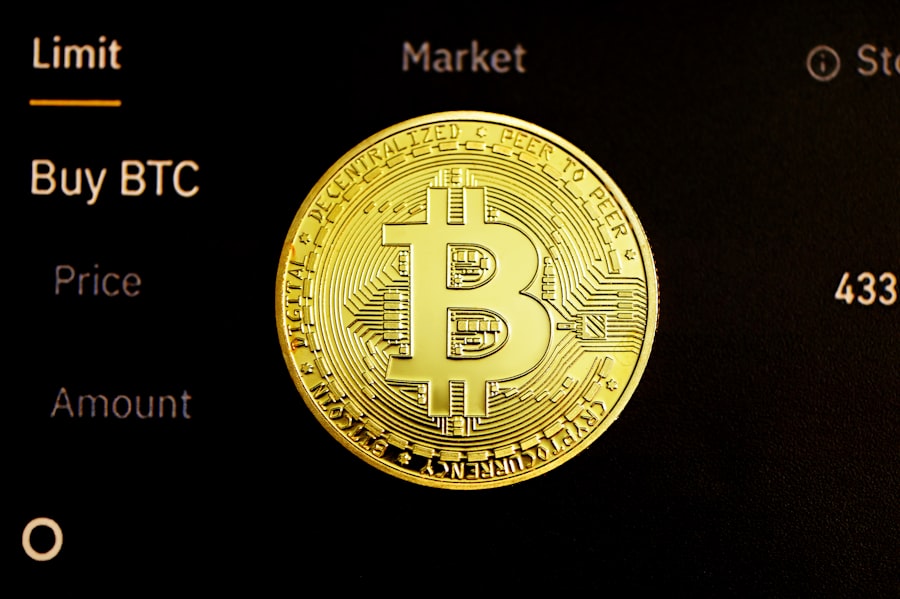
With thousands of cryptocurrencies available, selecting the right one to invest in can be overwhelming. Start by conducting thorough research on different coins and tokens. Look into their market capitalization, historical performance, and the technology behind them.
Understanding the purpose of each cryptocurrency is essential; some may focus on privacy, while others aim to facilitate smart contracts or enhance transaction speeds. Additionally, consider the community and development team behind the cryptocurrency. A strong community can indicate a healthy ecosystem and ongoing support for the project.
Check for active development on platforms like GitHub to see if the project is continuously evolving. By evaluating these factors, you can make more informed decisions about which cryptocurrencies align with your investment goals and risk tolerance.
Setting Up a Secure Wallet
Once you’ve purchased cryptocurrency, securing it should be your top priority. A cryptocurrency wallet is essential for storing your digital assets safely. There are several types of wallets available: hot wallets (online) and cold wallets (offline).
Hot wallets are convenient for frequent trading but are more vulnerable to hacks. Cold wallets, such as hardware wallets or paper wallets, provide enhanced security by keeping your private keys offline. When setting up your wallet, ensure that you follow best practices for security.
Use strong passwords and enable two-factor authentication whenever possible. If you opt for a hardware wallet, keep it in a safe place and never share your recovery phrase with anyone. By taking these precautions, you can significantly reduce the risk of losing your investments to cyber threats.
Strategies for Managing Your Crypto Portfolio
Managing your cryptocurrency portfolio requires a strategic approach to maximize returns while minimizing risks. One effective strategy is diversification—spreading your investments across multiple cryptocurrencies rather than putting all your funds into one asset. This approach can help mitigate losses if one particular coin underperforms while allowing you to benefit from potential gains in others.
Another important aspect of portfolio management is setting clear investment goals and timelines. Determine whether you’re looking for short-term gains or long-term growth and adjust your strategy accordingly. Regularly reviewing your portfolio’s performance is also crucial; this allows you to make informed decisions about when to buy more, hold, or sell your assets based on market trends and personal financial goals.
Risks and Pitfalls to Avoid

Investing in cryptocurrency comes with its fair share of risks and potential pitfalls that you should be aware of before diving in. One major risk is market volatility; cryptocurrency prices can fluctuate dramatically within short periods, leading to significant gains or losses. It’s essential to be prepared for this volatility and not invest more than you can afford to lose.
Another common pitfall is falling victim to scams or fraudulent schemes. The anonymity of cryptocurrency transactions can attract malicious actors looking to exploit unsuspecting investors. Always conduct thorough research before investing in any project and be wary of promises that seem too good to be true.
By staying vigilant and informed, you can protect yourself from potential scams and make more prudent investment choices.
Staying Informed and Updated
The cryptocurrency landscape is constantly evolving, with new developments occurring daily. Staying informed about market trends, regulatory changes, and technological advancements is crucial for making sound investment decisions. Follow reputable news sources, join online forums or communities, and subscribe to newsletters focused on cryptocurrency updates.
Engaging with other investors can also provide valuable insights and perspectives on market movements. Social media platforms like Twitter and Reddit have active crypto communities where you can learn from experienced traders and enthusiasts. By immersing yourself in the latest news and discussions, you’ll be better equipped to navigate the ever-changing world of cryptocurrency.
Seeking Professional Advice
While self-education is vital in the world of cryptocurrency investing, seeking professional advice can also be beneficial—especially if you’re new to investing or unsure about your strategy. Financial advisors with experience in cryptocurrencies can provide personalized guidance tailored to your financial situation and goals. When choosing a financial advisor, look for someone who understands the intricacies of cryptocurrency markets and has a proven track record in this area.
They can help you develop a comprehensive investment strategy that aligns with your risk tolerance while providing insights into market trends that you may not have considered. By combining professional advice with your own research, you can enhance your chances of success in the dynamic world of cryptocurrency investing. In conclusion, navigating the world of cryptocurrency requires a blend of knowledge, strategy, and vigilance.
By understanding the fundamentals of digital currencies, learning how to buy them securely, choosing wisely among various options, managing your portfolio effectively, being aware of risks, staying informed about market developments, and seeking professional guidance when necessary, you can position yourself for success in this exciting yet volatile investment landscape.
FAQs
What is cryptocurrency?
Cryptocurrency is a digital or virtual form of currency that uses cryptography for security and operates independently of a central bank. It is decentralized and typically uses a technology called blockchain to achieve transparency, security, and immutability.
What is crypto investing?
Crypto investing refers to the act of buying, holding, and trading cryptocurrencies with the expectation of making a profit. It involves purchasing digital assets such as Bitcoin, Ethereum, or other altcoins with the hope that their value will increase over time.
Is crypto investing risky?
Yes, crypto investing is considered to be risky due to the high volatility and speculative nature of the cryptocurrency market. Prices can fluctuate significantly in a short period of time, leading to potential gains or losses for investors.
How can beginners start investing in crypto?
Beginners can start investing in crypto by first educating themselves about the market and different cryptocurrencies. They can then choose a reputable cryptocurrency exchange, create an account, and purchase their desired digital assets using fiat currency or other cryptocurrencies.
What are some common strategies for crypto investing?
Common strategies for crypto investing include long-term holding (HODLing), dollar-cost averaging (DCA), and trading based on technical analysis or market trends. Each strategy carries its own risks and potential rewards.
What are the risks associated with crypto investing?
Risks associated with crypto investing include price volatility, regulatory uncertainty, security threats such as hacking and scams, and the potential for market manipulation. It’s important for investors to conduct thorough research and exercise caution when investing in cryptocurrencies.
What are some key factors to consider before investing in crypto?
Before investing in crypto, it’s important to consider factors such as the project’s technology and use case, the team behind the cryptocurrency, market liquidity, regulatory environment, and overall market sentiment. Additionally, investors should assess their risk tolerance and investment goals.