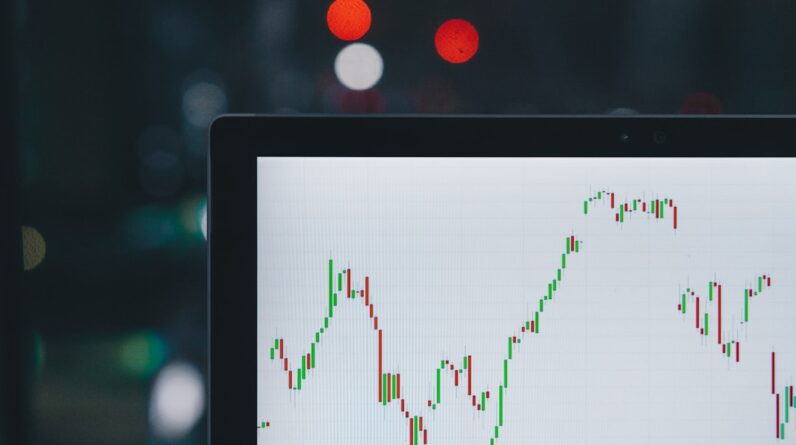
Cryptocurrency represents a revolutionary shift in the way we perceive and utilize money. At its core, cryptocurrency is a digital or virtual form of currency that employs cryptography for security, making it nearly impossible to counterfeit or double-spend. Unlike traditional currencies issued by governments, cryptocurrencies operate on decentralized networks based on blockchain technology.
This means that transactions are recorded on a public ledger, ensuring transparency and security without the need for a central authority. As you delve into the world of cryptocurrency, you will discover that it offers unique advantages, such as lower transaction fees and the ability to conduct peer-to-peer transactions without intermediaries. As you explore this digital landscape, it’s essential to grasp the fundamental concepts that underpin cryptocurrencies.
The most well-known cryptocurrency, Bitcoin, was created in 2009 by an anonymous entity known as Satoshi Nakamoto. Since then, thousands of alternative cryptocurrencies, or altcoins, have emerged, each with its own unique features and use cases. Understanding the differences between these currencies is crucial for making informed investment decisions.
For instance, while Bitcoin is often viewed as a store of value akin to digital gold, Ethereum offers a platform for decentralized applications and smart contracts. By familiarizing yourself with these distinctions, you can better navigate the complexities of the cryptocurrency market.
Key Takeaways
- Cryptocurrency is a digital or virtual form of currency that uses cryptography for security and operates independently of a central bank.
- When choosing a cryptocurrency exchange, consider factors such as security, fees, available cryptocurrencies, and user interface.
- Setting up a cryptocurrency wallet involves choosing between a hardware, software, or paper wallet, and ensuring proper security measures are in place.
- Researching cryptocurrencies involves analyzing factors such as technology, team, community, and market demand before making an investment decision.
- Making a purchase involves selecting the desired cryptocurrency, choosing a payment method, and completing the transaction through a cryptocurrency exchange or wallet.
- Storing and securing your cryptocurrency requires implementing measures such as using hardware wallets, enabling two-factor authentication, and keeping private keys offline.
- Monitoring your investment involves tracking the performance of your cryptocurrency holdings and staying informed about market trends and news.
- Understanding the risks and regulations associated with cryptocurrency is crucial for making informed investment decisions and complying with legal requirements.
Choosing a Cryptocurrency Exchange
Selecting the right cryptocurrency exchange is a pivotal step in your journey into the world of digital currencies. An exchange serves as a marketplace where you can buy, sell, and trade cryptocurrencies. With numerous exchanges available, each offering different features, fees, and security measures, it’s vital to conduct thorough research before making your choice.
Start by considering factors such as user experience, supported currencies, and transaction fees. Some exchanges cater to beginners with user-friendly interfaces, while others may appeal to more experienced traders with advanced trading tools. Security should be at the forefront of your decision-making process.
Look for exchanges that prioritize user safety by implementing robust security measures such as two-factor authentication (2FA) and cold storage for funds. Additionally, check for regulatory compliance and whether the exchange has a history of security breaches. Reading user reviews and testimonials can provide valuable insights into the reliability and reputation of an exchange.
By taking the time to choose a reputable platform, you can ensure a smoother and safer trading experience.
Setting Up a Cryptocurrency Wallet
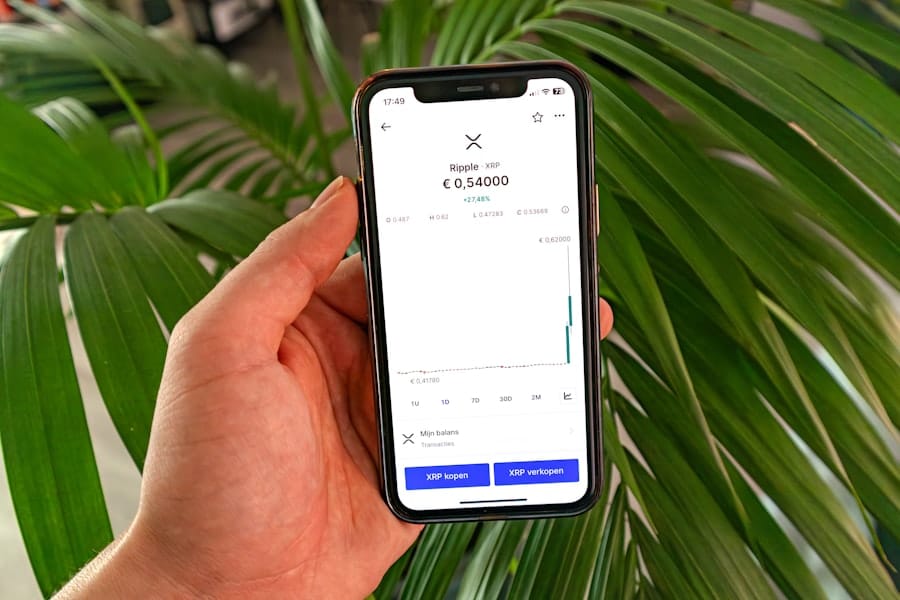
Once you’ve selected an exchange and created an account, the next step is to set up a cryptocurrency wallet. A wallet is essential for storing your digital assets securely. There are various types of wallets available, each with its own advantages and disadvantages.
Software wallets, which can be downloaded as applications on your computer or smartphone, offer convenience and ease of access. However, they are more vulnerable to hacking attempts compared to hardware wallets, which store your assets offline and provide an extra layer of security. When setting up your wallet, it’s crucial to follow best practices for securing your private keys—the cryptographic keys that grant access to your funds.
Never share your private keys with anyone and consider using a hardware wallet for long-term storage of significant amounts of cryptocurrency. Additionally, make sure to back up your wallet regularly to prevent loss in case of device failure or theft. By taking these precautions, you can safeguard your investments and enjoy peace of mind as you navigate the world of cryptocurrency.
Researching Cryptocurrencies
Before making any purchases, conducting thorough research on various cryptocurrencies is essential. The cryptocurrency market is highly volatile and can be influenced by numerous factors such as technological advancements, market trends, and regulatory changes. Start by exploring the fundamentals of each cryptocurrency you’re interested in—understand its purpose, technology, and the team behind it.
Websites like CoinMarketCap and CoinGecko provide valuable information on market capitalization, trading volume, and historical price data. In addition to fundamental analysis, consider engaging with online communities and forums where enthusiasts discuss their insights and experiences. Platforms like Reddit and Twitter can be excellent resources for staying updated on market sentiment and emerging trends.
However, exercise caution when taking advice from social media; always cross-reference information from multiple sources before making decisions. By dedicating time to research, you can develop a well-rounded understanding of the cryptocurrencies that align with your investment goals.
Making a Purchase
Once you’ve completed your research and feel confident in your chosen cryptocurrency, it’s time to make your purchase. Begin by transferring funds from your bank account or credit card to your selected exchange. Depending on the platform, this process may vary slightly; some exchanges allow instant purchases using credit cards, while others may require bank transfers that take longer to process.
Be mindful of any fees associated with these transactions, as they can impact your overall investment. After funding your account, navigate to the trading section of the exchange where you can place an order for your desired cryptocurrency. You’ll typically have options for different types of orders—market orders execute immediately at the current market price, while limit orders allow you to set a specific price at which you want to buy.
Once your order is executed, ensure that you transfer your newly acquired cryptocurrency to your wallet for safekeeping. This step is crucial; leaving your assets on an exchange exposes them to potential risks such as hacking or insolvency.
Storing and Securing Your Cryptocurrency

Storing and securing your cryptocurrency is paramount in protecting your investment from theft or loss. As mentioned earlier, using a hardware wallet is one of the safest methods for long-term storage. These devices keep your private keys offline and are less susceptible to cyber threats compared to software wallets connected to the internet.
If you opt for a software wallet due to its convenience for trading or daily transactions, ensure that you implement strong security measures such as enabling two-factor authentication and using complex passwords. In addition to choosing the right type of wallet, consider diversifying your storage methods. For instance, you might keep a portion of your assets in a hardware wallet for long-term holding while using a software wallet for more frequent transactions.
Regularly updating your wallet software and keeping backups in secure locations can further enhance your security posture. By taking these precautions seriously, you can significantly reduce the risk of losing access to your cryptocurrency holdings.
Monitoring Your Investment
Once you’ve made your purchase and secured your assets, it’s essential to monitor your investment regularly. The cryptocurrency market is known for its volatility; prices can fluctuate dramatically within short periods. By keeping an eye on market trends and news developments related to your investments, you can make informed decisions about when to buy more or sell portions of your holdings.
Utilizing portfolio tracking apps can help you stay organized by providing real-time updates on the performance of your assets. In addition to tracking price movements, consider setting specific investment goals and strategies based on your risk tolerance and financial objectives. Whether you’re looking for short-term gains or long-term growth, having a clear plan will guide your actions in this fast-paced environment.
Engaging with online communities can also provide valuable insights into market sentiment and emerging opportunities that may align with your investment strategy.
Understanding the Risks and Regulations
As with any investment opportunity, understanding the risks associated with cryptocurrency is crucial before diving in headfirst. The market’s inherent volatility means that prices can rise or fall dramatically within short timeframes, leading to potential losses if you’re not prepared for sudden changes. Additionally, regulatory uncertainties surrounding cryptocurrencies can impact their legality and acceptance in various jurisdictions.
Staying informed about local regulations is essential to ensure compliance and avoid potential legal issues. Moreover, be aware of common scams and fraudulent schemes that target unsuspecting investors in the cryptocurrency space. Phishing attacks, Ponzi schemes, and fake initial coin offerings (ICOs) are just a few examples of risks that can lead to significant financial losses.
Educating yourself about these threats will empower you to make safer investment choices while navigating this exciting yet unpredictable landscape. By approaching cryptocurrency with caution and diligence, you can mitigate risks while capitalizing on its potential rewards. In conclusion, embarking on a journey into cryptocurrency requires careful consideration at every step—from understanding what cryptocurrencies are to choosing exchanges wisely and securing your investments effectively.
By conducting thorough research and staying informed about market trends and regulations, you can navigate this dynamic landscape with confidence while maximizing your potential for success in this innovative financial frontier.
FAQs
What is cryptocurrency?
Cryptocurrency is a digital or virtual form of currency that uses cryptography for security and operates independently of a central bank. It uses decentralized technology, typically based on blockchain, to enable secure and transparent transactions.
How can I buy cryptocurrency?
You can buy cryptocurrency through online cryptocurrency exchanges, peer-to-peer platforms, or through cryptocurrency ATMs. You will need to create an account on a reputable exchange, link a payment method, and then place an order to buy the cryptocurrency of your choice.
What payment methods can I use to buy cryptocurrency?
You can use various payment methods to buy cryptocurrency, including bank transfers, credit/debit cards, PayPal, and even cash in some cases. The availability of payment methods may vary depending on the exchange or platform you use.
What are the risks associated with buying cryptocurrency?
The risks associated with buying cryptocurrency include price volatility, security risks, regulatory uncertainty, and the potential for fraud or scams. It’s important to conduct thorough research and only invest what you can afford to lose.
Do I need a digital wallet to buy cryptocurrency?
Yes, you will need a digital wallet to store your cryptocurrency after purchasing it. There are different types of wallets, including hardware wallets, software wallets, and online wallets. It’s important to choose a secure and reputable wallet to ensure the safety of your funds.
Is it legal to buy cryptocurrency?
The legality of buying cryptocurrency varies by country and is subject to regulations and laws specific to each jurisdiction. It’s important to be aware of the legal status of cryptocurrency in your country before buying or investing in it.