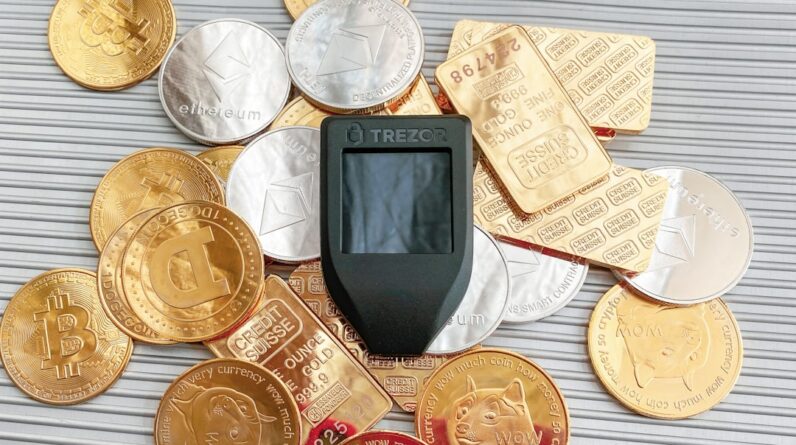
As you delve into the world of cryptocurrency, one of the most fascinating aspects you will encounter is crypto mining hardware. This specialized equipment is essential for validating transactions and securing blockchain networks. At its core, crypto mining involves solving complex mathematical problems, and the hardware you choose plays a pivotal role in determining your success and profitability.
From the early days of Bitcoin, when miners could use standard CPUs, to the current landscape dominated by powerful ASICs (Application-Specific Integrated Circuits), the evolution of mining hardware has been nothing short of remarkable. Understanding crypto mining hardware is crucial for anyone looking to participate in this digital gold rush. The right equipment can significantly enhance your mining efficiency and profitability, while outdated or inadequate hardware can lead to losses.
As you explore this field, you will discover a variety of options, each with its own advantages and disadvantages. Whether you are a seasoned miner or a newcomer, familiarizing yourself with the intricacies of mining hardware will empower you to make informed decisions and optimize your mining operations.
Key Takeaways
- Crypto mining hardware is essential for validating and adding new transactions to the blockchain.
- The current state of crypto mining hardware is dominated by ASICs, which offer high efficiency and performance.
- Environmental concerns and energy efficiency are important considerations in the development of mining hardware.
- Advances in mining hardware technology are focused on increasing efficiency and reducing energy consumption.
- The potential impact of quantum computing on mining hardware is a topic of ongoing research and speculation.
Current State of Crypto Mining Hardware
The current state of crypto mining hardware is characterized by rapid advancements and increasing specialization. As cryptocurrencies gain popularity, the demand for efficient and powerful mining equipment has surged. Today, miners are faced with a plethora of choices, ranging from high-performance ASICs to more versatile GPUs (Graphics Processing Units).
Each type of hardware has its own unique strengths, catering to different mining strategies and preferences. In recent years, ASIC miners have become the gold standard for Bitcoin mining due to their unparalleled efficiency and hashing power. These devices are designed specifically for mining purposes, allowing them to outperform general-purpose hardware significantly.
However, the rise of ASICs has also led to concerns about centralization within the mining ecosystem, as only those who can afford these expensive machines can compete effectively. As you navigate this landscape, it’s essential to consider not only the performance of the hardware but also its implications for the broader cryptocurrency community.
Environmental Concerns and Energy Efficiency

As you explore the world of crypto mining hardware, you cannot ignore the growing environmental concerns associated with this industry. The energy consumption of mining operations has come under scrutiny, particularly as Bitcoin and other cryptocurrencies have gained mainstream attention. The process of mining requires substantial computational power, which translates into significant electricity usage.
This has raised alarms about the carbon footprint of mining activities and their impact on climate change. In response to these concerns, many miners are now prioritizing energy efficiency in their hardware choices. Manufacturers are developing more eco-friendly mining equipment that consumes less power while maintaining high performance levels.
Additionally, some miners are turning to renewable energy sources, such as solar or wind power, to mitigate their environmental impact. As you consider your own mining setup, it’s worth exploring options that align with sustainable practices, not only for ethical reasons but also for potential cost savings in the long run.
Advances in Mining Hardware Technology
The landscape of crypto mining hardware is continually evolving, driven by technological advancements that enhance performance and efficiency. Innovations in chip design and manufacturing processes have led to the development of more powerful ASICs that can deliver higher hash rates while consuming less energy. These advancements are crucial for miners looking to stay competitive in an increasingly challenging environment.
Moreover, the integration of artificial intelligence and machine learning into mining operations is beginning to reshape how miners approach their activities. By leveraging these technologies, miners can optimize their hardware performance, predict market trends, and make data-driven decisions that enhance profitability. As you keep an eye on emerging trends in mining hardware technology, you will find that staying informed can give you a significant edge in this fast-paced industry.
The Role of ASICs in Crypto Mining
ASICs have revolutionized the crypto mining landscape by providing unparalleled efficiency and performance tailored specifically for mining tasks. Unlike traditional GPUs or CPUs, which are designed for general computing tasks, ASICs are built with a singular focus on solving cryptographic puzzles. This specialization allows them to achieve higher hash rates while consuming less power, making them the preferred choice for serious miners.
However, the dominance of ASICs also raises important questions about decentralization within the cryptocurrency ecosystem. As these devices become more prevalent, there is a risk that mining could become concentrated in the hands of a few large players who can afford the latest technology. This centralization could undermine the foundational principles of cryptocurrencies, which emphasize decentralization and democratization.
As you consider your own approach to mining, it’s essential to weigh the benefits of ASICs against their potential impact on the broader network.
Potential Impact of Quantum Computing on Mining Hardware

As you look toward the future of crypto mining hardware, one of the most intriguing developments on the horizon is quantum computing. This cutting-edge technology has the potential to disrupt various industries, including cryptocurrency mining. Quantum computers operate on principles that differ fundamentally from classical computers, allowing them to solve complex problems at unprecedented speeds.
If quantum computing becomes widely accessible and affordable, it could pose significant challenges for current cryptographic algorithms used in cryptocurrencies. Miners may need to adapt their hardware and strategies to remain competitive in a landscape where quantum computers can potentially outpace traditional mining equipment. While this technology is still in its infancy, it’s essential to stay informed about its developments and consider how it might influence your future mining endeavors.
Regulatory Challenges and the Future of Mining Hardware
The regulatory landscape surrounding cryptocurrency mining is evolving rapidly as governments around the world grapple with how to manage this burgeoning industry. As you engage with crypto mining hardware, it’s crucial to stay abreast of regulatory developments that could impact your operations. Different countries have adopted varying stances on cryptocurrency mining, ranging from outright bans to supportive frameworks aimed at fostering innovation.
These regulatory challenges can significantly influence the future of mining hardware. For instance, stricter regulations may lead to increased compliance costs for miners or even force some operations to shut down entirely. Conversely, a supportive regulatory environment could encourage investment in new technologies and infrastructure that enhance mining efficiency and sustainability.
As you navigate this complex landscape, being proactive about understanding regulatory changes will be key to ensuring your success in crypto mining.
The Future of Crypto Mining Hardware
As you reflect on the future of crypto mining hardware, it becomes clear that this field is poised for continued evolution and innovation. The advancements in technology, coupled with growing environmental awareness and regulatory scrutiny, will shape how miners operate in the coming years. Staying informed about these trends will be essential for anyone looking to thrive in this dynamic environment.
Ultimately, the future of crypto mining hardware will likely be characterized by a balance between performance and sustainability. As manufacturers develop more energy-efficient solutions and miners adopt greener practices, the industry may move toward a more responsible model that aligns with global efforts to combat climate change. By embracing these changes and remaining adaptable, you can position yourself for success in the ever-changing world of cryptocurrency mining.
FAQs
What is crypto mining hardware?
Crypto mining hardware refers to specialized computer hardware designed to perform the complex calculations required to mine cryptocurrencies such as Bitcoin, Ethereum, and others. This hardware is essential for validating and adding new transactions to the blockchain, and miners are rewarded with newly created coins for their efforts.
What is the current state of crypto mining hardware?
Currently, crypto mining hardware is highly specialized and optimized for maximum efficiency in terms of power consumption and hash rate. As the demand for cryptocurrencies has increased, so has the demand for more powerful and efficient mining hardware.
What is the future of crypto mining hardware?
The future of crypto mining hardware is likely to involve continued advancements in efficiency and performance. This may include the development of more energy-efficient mining hardware, as well as hardware specifically designed for mining specific cryptocurrencies.
What are some potential developments in crypto mining hardware?
Potential developments in crypto mining hardware may include the use of new materials and technologies to improve efficiency, the development of hardware specifically optimized for mining specific algorithms, and the integration of artificial intelligence to optimize mining operations.
How will advancements in crypto mining hardware impact the industry?
Advancements in crypto mining hardware are likely to impact the industry by increasing the overall efficiency and profitability of mining operations. This could lead to increased competition among miners and potentially drive further innovation in the development of new mining hardware.